

Introduction to Stone Aggregate Pneumatic Conveying System Equipment and Structural Principles
Stone aggregate pneumatic conveying systems are critical components in modern material handling operations, enabling efficient and reliable transport of bulk materials like stone aggregates. These systems utilize air as the conveying medium to move materials from one location to another, offering advantages such as reduced labor costs, minimized material contamination, and enhanced operational flexibility. This article provides an overview of the equipment involved, its structural principles, and the key features that make it a preferred choice in various industrial applications.
About Shandong HeadPowder Engineering Co., Ltd.
Shandong HeadPowder Engineering Co., Ltd., commonly known as HeadPowder, is a leading manufacturer specializing in the design, development, and supply of advanced material handling solutions. With a strong commitment to innovation and quality, the company has established itself as a trusted partner in the industry, delivering customized pneumatic conveying systems tailored to meet the specific needs of clients across diverse sectors. HeadPowder is headquartered in Shandong, China, and has a strong presence in the global market, serving clients worldwide with its advanced equipment and expertise.
Equipment Overview of the Stone Aggregate Pneumatic Conveying System
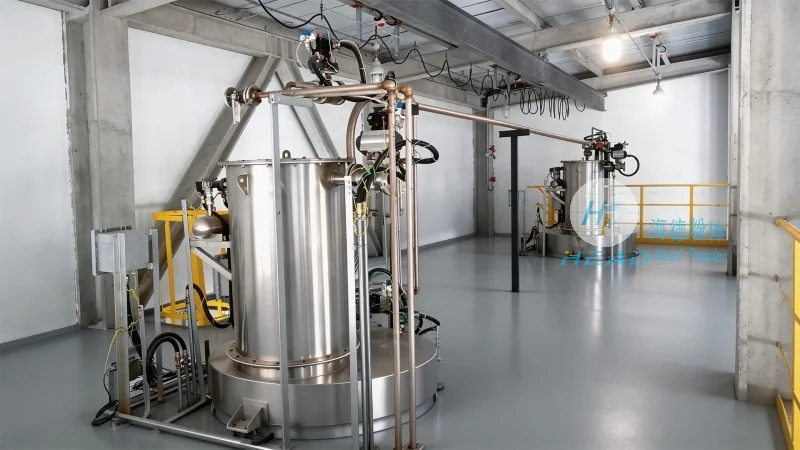
The stone aggregate pneumatic conveying system typically consists of several key components, each playing a vital role in the overall operation. The primary components include a material feeder, a conveying line (often equipped with airlocks or rotary valves), a dust collector, and a receiver or discharge unit. The material feeder is responsible for feeding the stone aggregates into the system at a controlled rate, ensuring a consistent flow of material. The conveying line, which may be made of stainless steel or other corrosion-resistant materials, transports the material through the system using compressed air. Airlocks or rotary valves are used to control the flow of material at different points, preventing backflow and ensuring smooth operation. The dust collector is an essential component that captures and removes dust and particulate matter from the air, maintaining a clean and safe working environment. Finally, the receiver or discharge unit collects the conveyed material and discharges it at the desired location.
Structural Principles and Working Mechanism
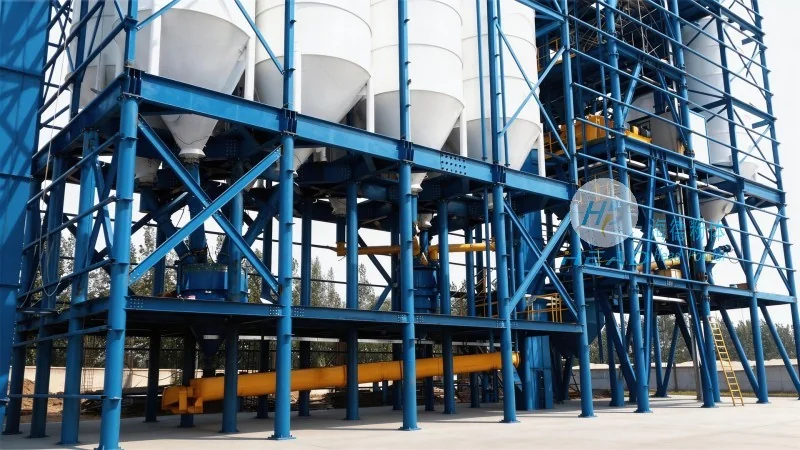
The structural principles of the stone aggregate pneumatic conveying system are based on the fundamental concept of using air pressure to move solid materials. The system operates by creating a pressure differential between the intake and discharge points. Compressed air is introduced into the conveying line, creating a high-pressure environment that propels the stone aggregates forward. The material is carried in the form of a dilute or dense phase, depending on the system design and material characteristics. In the dilute phase, the material is suspended in the air stream and transported as a cloud, while in the dense phase, the material is carried as a slurry-like mixture. The system's design, including the size of the conveying line, the air velocity, and the material feed rate, is carefully optimized to achieve the desired conveying efficiency and minimize energy consumption. The structural integrity of the components, such as the material feeder, airlocks, and dust collector, is crucial to ensure the system operates reliably over extended periods without maintenance issues.
Key Features and Advantages
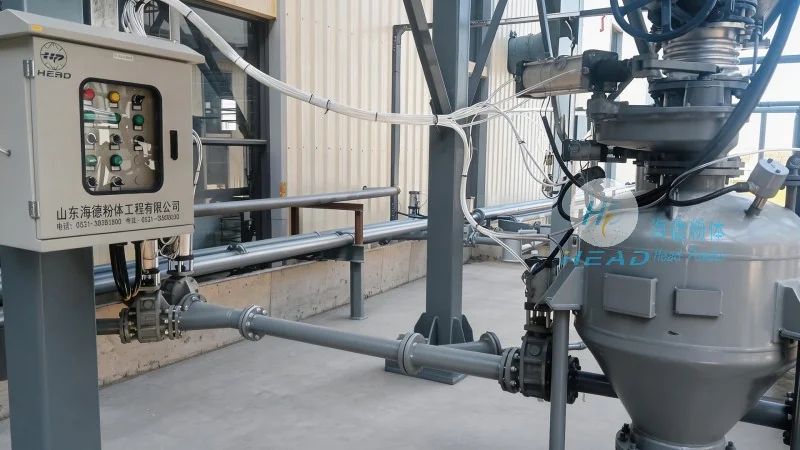
HeadPowder's stone aggregate pneumatic conveying systems are designed with several key features that enhance performance and reliability. These include high-efficiency material feeders that ensure consistent material flow, corrosion-resistant conveying lines that withstand the abrasive nature of stone aggregates, and advanced dust collection systems that maintain a clean working environment. The systems are also equipped with control panels that allow for easy monitoring and adjustment of operational parameters, ensuring optimal performance under varying conditions. The advantages of these systems include reduced labor costs due to automated material handling, minimized material loss and contamination, and increased operational flexibility, allowing for easy integration into existing production lines. Additionally, the systems are designed to be energy-efficient, reducing operational costs and environmental impact.
Customization and Application
HeadPowder understands that each client's material handling needs are unique, and therefore offers customized solutions to meet specific requirements. The company works closely with clients to assess their operational needs, material characteristics, and space constraints, and then designs a tailored pneumatic conveying system that maximizes efficiency and cost-effectiveness. The systems are suitable for a wide range of applications, including construction sites, mining operations, and manufacturing facilities, where the transport of stone aggregates is required. Whether for short or long-distance transport, HeadPowder's systems are designed to deliver reliable and efficient material handling solutions.
Conclusion
In conclusion, the stone aggregate pneumatic conveying system is a vital component in modern material handling operations, offering efficient and reliable transport of bulk materials. Shandong HeadPowder Engineering Co., Ltd. provides high-quality, customized solutions that meet the specific needs of clients, ensuring optimal performance and reliability. With its advanced equipment and expertise, HeadPowder continues to be a leading provider of pneumatic conveying systems, helping clients improve their operational efficiency and reduce costs.