

Introduction to High Temperature Fine Powder Conveying Systems: Structure and Principle of Operation
HeadPowder, a leading engineering company based in Shandong, China, specializes in the design and manufacturing of advanced conveying systems for high temperature fine powders. This article provides a comprehensive overview of such systems, focusing on their structural design and operational principles to ensure efficient and reliable material transport in industrial applications.
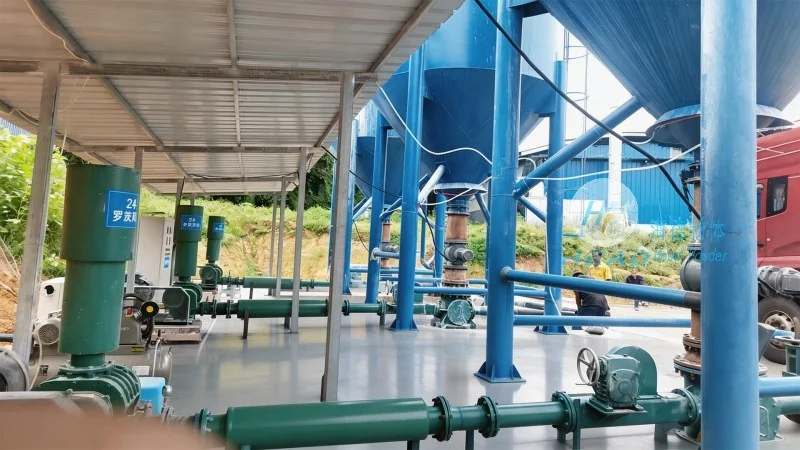
Key Components and Structural Design
The high temperature fine powder conveying system typically consists of several critical components that work in tandem to handle powders at elevated temperatures. The primary components include a hopper for material storage, a feeding mechanism to control the flow rate, a conveyor section (often a screw or pneumatic line) designed to withstand high temperatures, and a discharge system for delivering the material to the next stage of processing. The structural design emphasizes durability and thermal resistance, utilizing materials like stainless steel or specialized alloys that can endure temperatures up to several hundred degrees Celsius. Additionally, the system incorporates thermal insulation and heat-resistant seals to minimize heat loss and prevent material degradation during transport.
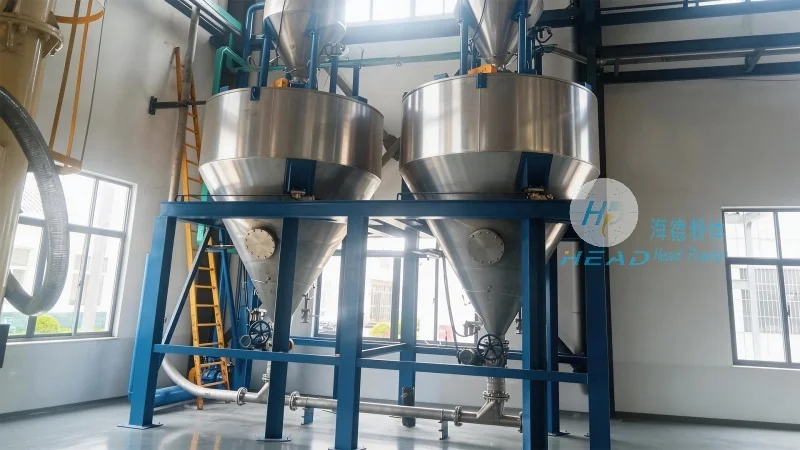
Principle of Operation
The operation of the high temperature fine powder conveying system is based on the controlled movement of fine powders through a closed conduit. In pneumatic conveying systems, for example, the material is suspended in a stream of hot air or gas, which is then transported through the system. The feeding mechanism ensures a consistent flow of powder into the conveyor, while the air flow is regulated to maintain optimal velocity for efficient transport. The system may also include pressure vessels or expansion joints to accommodate thermal expansion and maintain system integrity under high temperature conditions. The discharge section is designed to safely release the material without causing blockages or spillage, ensuring smooth integration with downstream equipment.
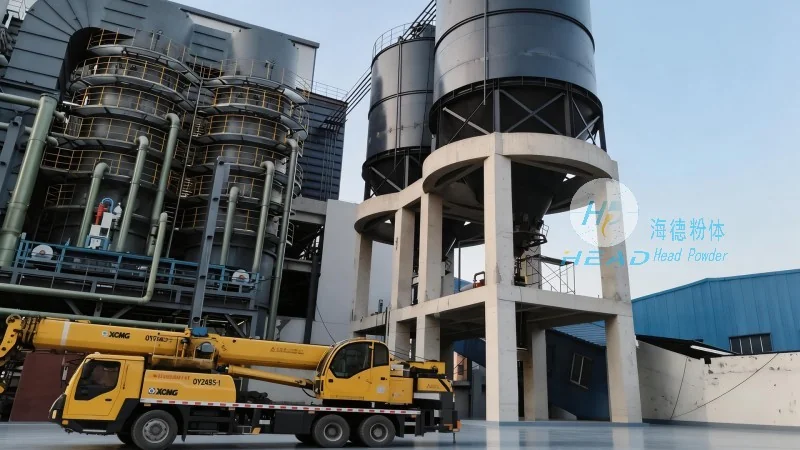
Advantages and Applications
High temperature fine powder conveying systems offer several advantages in industrial settings, including improved material handling efficiency, reduced contamination risk, and enhanced safety compared to manual or low-temperature transport methods. These systems are widely used in industries such as cement production, chemical processing, and pharmaceutical manufacturing, where the transport of fine powders at elevated temperatures is essential. The ability to handle materials with high thermal sensitivity and maintain product quality makes these systems a critical component in modern industrial operations.