

Design Considerations for Cocoa Powder Pneumatic Conveying System Solutions
When designing a pneumatic conveying system for cocoa powder, several critical factors must be considered to ensure efficiency, reliability, and cost-effectiveness. The process involves selecting the appropriate equipment, understanding material properties, and optimizing system parameters to meet production requirements.
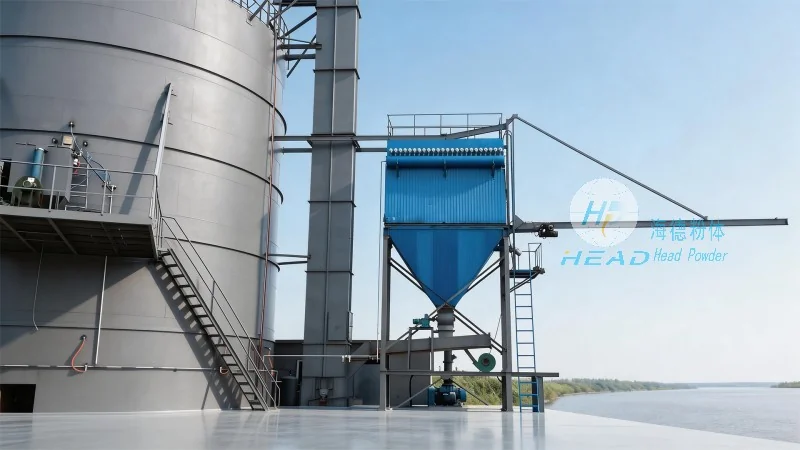
Key Design Elements for Cocoa Powder Pneumatic Conveying Systems
The success of a cocoa powder pneumatic conveying system hinges on meticulous attention to design elements that address the unique characteristics of cocoa powder. These elements include material handling capacity, system pressure, and the choice of conveying methods such as dilute phase or dense phase transport. Engineers must evaluate the flow rate, particle size distribution, and moisture content of the cocoa powder to determine the optimal conveying velocity and pressure levels. For instance, fine cocoa powder requires lower conveying velocities to prevent particle segregation and blockages, which can lead to system inefficiencies and increased maintenance costs.
Equipment Selection and System Configuration
HeadPowder, a leading provider of engineering solutions, emphasizes the importance of selecting high-quality equipment tailored to cocoa powder handling. The system typically includes a hopper for material storage, a feeder to control the flow rate, a compressor or blower to generate the necessary air pressure, and a pipeline network for material transport. The choice between positive displacement blowers and centrifugal compressors depends on the system's pressure requirements and the desired flow rate. For high-capacity applications, positive displacement blowers offer consistent pressure and flow, while centrifugal units are suitable for lower pressure needs. Additionally, the pipeline material, such as stainless steel or PVC, must be selected based on the cocoa powder's hygienic and chemical compatibility requirements to prevent contamination and degradation.
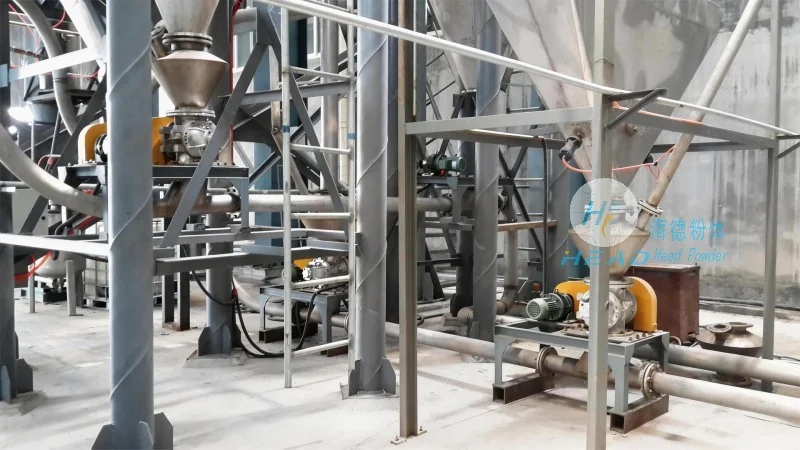
Material Properties and Their Impact on System Performance
Cocoa powder's physical properties, including its density, moisture content, and particle size, significantly influence the pneumatic conveying system's performance. High moisture content can cause clumping and blockages, reducing system efficiency. Therefore, proper moisture control and pre-drying steps are essential before material enters the conveying system. Particle size distribution affects the air velocity needed for transport; finer particles require higher air velocities to maintain flow, while larger particles may need lower velocities to avoid excessive wear on equipment. Understanding these properties allows engineers to design a system that minimizes energy consumption and maximizes throughput, ensuring consistent product quality throughout the conveying process.
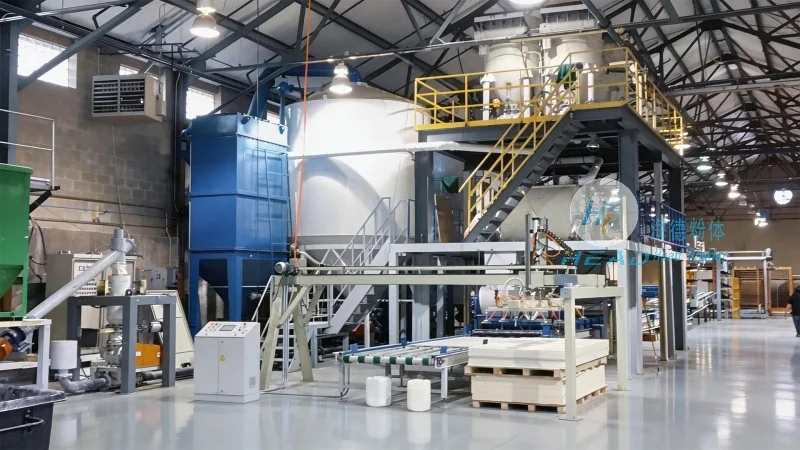
System Integration and Maintenance Considerations
Integrating the cocoa powder pneumatic conveying system with existing production lines requires careful planning to ensure seamless operation. HeadPowder's engineering team provides comprehensive solutions that consider the entire production workflow, from raw material storage to final product packaging. Regular maintenance is crucial to maintain system efficiency and prevent downtime. This includes monitoring air pressure, checking for leaks in the pipeline, and cleaning the hopper and feeder to prevent material buildup. Proper maintenance schedules, as recommended by the manufacturer, help extend the system's lifespan and reduce long-term operational costs. Additionally, the system should be designed with easy access points for maintenance personnel, ensuring quick and efficient repairs without disrupting production.
Case Study: Successful Implementation of a Cocoa Powder Pneumatic Conveying System
Shandong HeadPowder Engineering Co., Ltd., with its headquarters in Shandong, China, has successfully implemented numerous cocoa powder pneumatic conveying systems for clients in the food processing industry. One notable project involved a large-scale chocolate manufacturer that required a system to transport 10 tons of cocoa powder per hour from storage silos to a mixing plant. The system was designed using positive displacement blowers and stainless steel pipelines, ensuring hygienic and efficient transport. The client reported a 20% reduction in energy consumption and a 15% increase in production throughput after the system was installed. This success highlights the importance of tailored engineering solutions that address specific operational needs and material characteristics.