

Key Design Considerations for Gypsum Powder Pneumatic Conveying System Solutions
Gypsum powder, a widely used material in construction and industrial applications, requires efficient and reliable handling solutions. Pneumatic conveying systems offer an effective method for transporting gypsum powder from storage to processing or packaging areas. This article outlines key design considerations for developing optimal gypsum powder pneumatic conveying system solutions, emphasizing the expertise of Shandong HeadPowder Engineering Co., Ltd. (referred to as HeadPowder) in the field.
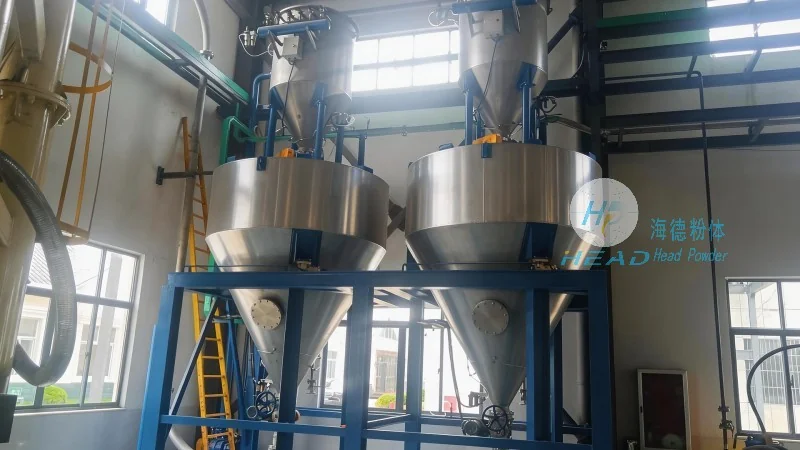
System Selection and Material Compatibility
The first critical step in designing a gypsum powder pneumatic conveying system is selecting the appropriate system type. Common options include positive pressure, negative pressure, and hybrid systems. Positive pressure systems are often preferred for gypsum powder due to their ability to handle abrasive materials and prevent dust accumulation. HeadPowder engineers evaluate factors such as material characteristics, distance, and throughput to recommend the most suitable system. For instance, in applications involving high-volume gypsum powder transport over long distances, a positive pressure system with a rotary airlock feeder and a high-pressure blower may be optimal. The choice of material for system components, such as stainless steel or specialized alloys, is also essential to resist corrosion and wear caused by gypsum powder, ensuring long-term system reliability.
Equipment Selection and Sizing
Key equipment in a gypsum powder pneumatic conveying system includes the feeder, blower, and pipeline components. The rotary airlock feeder is crucial for controlling the flow rate and preventing material buildup. HeadPowder selects feeders with appropriate capacity and sealing mechanisms to maintain system efficiency. The blower or compressor must be sized to provide sufficient air volume and pressure to overcome system resistance. System resistance is influenced by pipeline length, diameter, bends, and fittings. Proper sizing of the blower ensures stable operation and prevents pressure drops that could lead to material blockages. Additionally, accessories like filters, silencers, and dust collectors are integrated to maintain air quality and comply with environmental regulations. HeadPowder’s engineers use computational fluid dynamics (CFD) and empirical formulas to accurately size equipment and predict system performance.
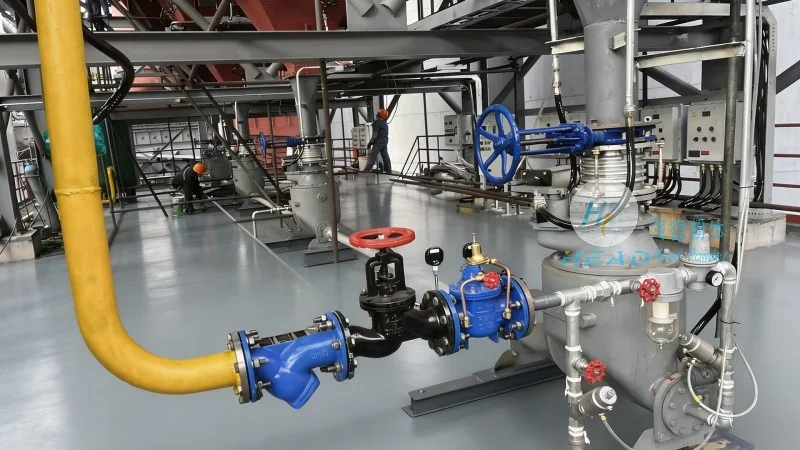
Pipeline Design and Layout
The design of the conveying pipeline is a critical factor affecting system efficiency and cost. The pipeline diameter is determined based on the material's flow characteristics and the required air velocity. For gypsum powder, a typical air velocity of 20-30 m/s is recommended to prevent material settling and blockages. The pipeline layout should minimize bends and use smooth, corrosion-resistant materials like stainless steel or PVC. Elbows and other fittings are selected to reduce pressure loss and maintain material flow. HeadPowder’s design team considers the physical layout of the facility, ensuring the pipeline follows the shortest and most direct path while avoiding obstacles. Proper support and alignment of the pipeline are also essential to prevent sagging and maintain consistent air flow. In addition, the inclusion of expansion joints and flexible connectors helps accommodate thermal expansion and reduce stress on the system.
Control and Monitoring Systems
Advanced control systems enhance the operational efficiency and safety of gypsum powder pneumatic conveying systems. HeadPowder integrates programmable logic controllers (PLCs) and sensors to monitor key parameters such as pressure, flow rate, and temperature. Real-time monitoring allows for immediate detection of anomalies, such as pressure drops or material blockages, enabling quick troubleshooting. Automated control systems can adjust blower speed or feeder output to maintain optimal operating conditions, reducing energy consumption and wear on components. Safety features, including emergency shut-off valves and dust suppression systems, are incorporated to comply with occupational health and safety regulations. HeadPowder’s control solutions are customizable to meet specific client requirements, ensuring seamless integration with existing plant infrastructure.
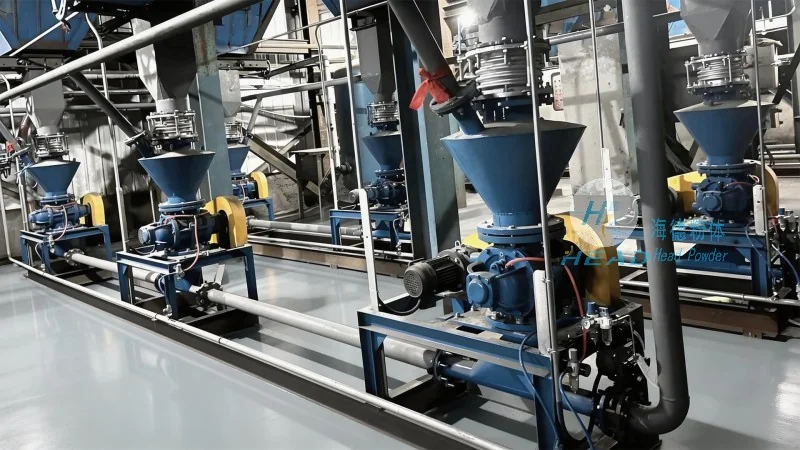
Installation and Commissioning
The successful implementation of a gypsum powder pneumatic conveying system depends on proper installation and commissioning. HeadPowder’s experienced technicians follow industry best practices to ensure all components are correctly assembled and aligned. Installation includes pipeline fabrication, equipment mounting, and electrical wiring. Commissioning involves system testing to verify performance and identify any issues before full operation. HeadPowder conducts thorough testing, including air flow tests, material flow tests, and pressure drop measurements, to confirm the system meets design specifications. The company provides comprehensive training to client personnel on system operation and maintenance, ensuring long-term system reliability and minimal downtime.
Maintenance and Troubleshooting
Regular maintenance is essential to maximize the lifespan and efficiency of a gypsum powder pneumatic conveying system. HeadPowder recommends routine inspections of key components, such as feeders, blower bearings, and filters. Filter replacement is a critical maintenance task to prevent dust accumulation and maintain air quality. HeadPowder provides maintenance services and spare parts to support client systems, ensuring prompt resolution of issues. Common problems in gypsum powder systems include blockages, pressure fluctuations, and material degradation. Troubleshooting procedures involve checking system parameters, inspecting components, and adjusting operating conditions. HeadPowder’s technical support team offers guidance and solutions to resolve issues efficiently, minimizing system downtime and maintaining productivity.