

Design Considerations for Microparticle Powder Pneumatic Conveying System Solutions
When designing a microparticle powder pneumatic conveying system, several key factors must be carefully evaluated to ensure optimal performance, efficiency, and reliability. This article outlines essential design considerations that are crucial for the successful implementation of such systems, with a focus on the expertise of Shandong HeadPowder Engineering Co., Ltd., a leading provider in this field.
System Selection and Material Characteristics
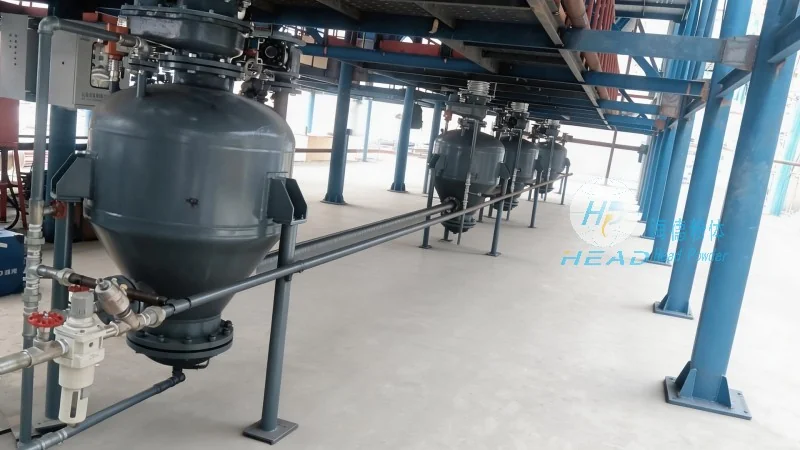
The first step in designing a microparticle powder pneumatic conveying system involves selecting the appropriate system type based on the properties of the powder being handled. Microparticle powders, typically with particle sizes ranging from 10 to 100 microns, present unique challenges due to their fine particle size and potential for agglomeration. Understanding the powder's bulk density, flowability, and moisture content is critical. For example, powders with high moisture content may require pre-drying or the use of heated air to prevent clogging and ensure consistent flow. The choice between positive pressure and negative pressure systems also depends on the material's characteristics and the system's application requirements. Positive pressure systems, where air is blown into the material, are often preferred for handling fine powders as they can maintain a consistent flow and reduce the risk of dust emissions. Negative pressure systems, on the other hand, are suitable for applications where dust control is paramount, such as in pharmaceutical or food processing industries.
Component Selection and Sizing
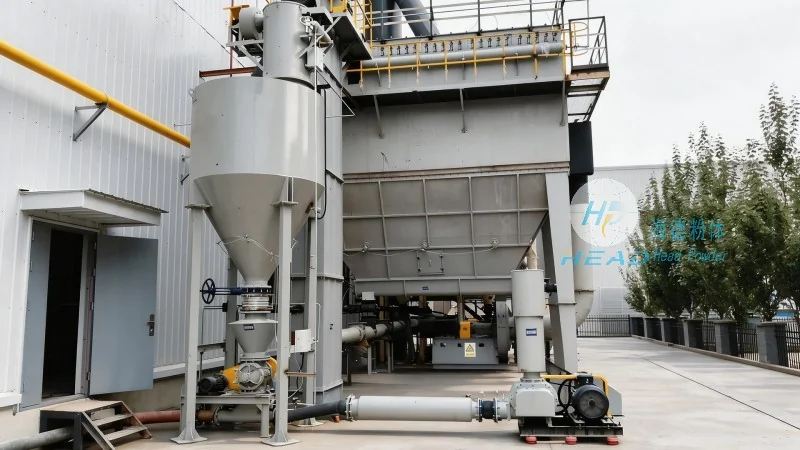
Component selection and sizing are critical to the system's performance. Key components include the feeder, pipeline, air compressor, and receiver. The feeder must be capable of delivering a consistent flow rate of microparticle powder without causing blockages or uneven distribution. Screw feeders or rotary valves are commonly used for fine powders, as they can handle small particles effectively and maintain a steady feed rate. The pipeline diameter and length must be sized to accommodate the required flow rate and pressure drop. For microparticle powders, a larger diameter pipeline is often recommended to minimize pressure losses and prevent particle degradation. The air compressor must be selected based on the system's required air volume and pressure. High-pressure compressors are typically used for positive pressure systems to ensure sufficient air velocity to transport the powder. The receiver, where the material is deposited, should be designed to prevent dust accumulation and ensure easy access for maintenance. Proper sealing of the receiver is also essential to maintain the system's pressure and prevent contamination.
Pressure Drop and Air Velocity Considerations
Pressure drop and air velocity are fundamental parameters that directly impact the system's efficiency and energy consumption. The air velocity must be sufficient to lift and transport the microparticle powder through the pipeline without causing excessive wear on the components or degradation of the powder. For fine powders, an air velocity of 20 to 30 meters per second is commonly recommended. However, this can vary based on the powder's properties and the system's design. Excessive air velocity can lead to higher energy costs and increased wear on the air compressor and pipeline. Conversely, insufficient air velocity may result in clogging or poor flow, reducing the system's throughput. Calculating the pressure drop along the pipeline is essential to ensure the air compressor can provide the necessary pressure to overcome these losses. The pressure drop is influenced by factors such as pipeline length, diameter, fittings, and the number of bends. Proper sizing of the pipeline and use of smooth fittings can minimize pressure drop and improve system efficiency.
Dust Control and Environmental Considerations
Dust control is a critical consideration in the design of microparticle powder pneumatic conveying systems, especially in industries where environmental regulations and worker safety are paramount. Proper sealing of all components, including the feeder, pipeline connections, and receiver, is essential to prevent dust emissions. The use of dust collection systems, such as cyclones or bag filters, can be integrated into the receiver to capture any escaped particles. For applications in pharmaceutical or food processing, additional measures may be required, such as using explosion-proof components or inert gas systems to prevent dust explosions. The system's design should also consider the potential for particle degradation due to high air velocities or friction. Implementing features like smooth pipeline surfaces and avoiding sharp bends can help minimize particle wear and maintain the powder's quality. Regular maintenance and cleaning of the system are also necessary to prevent dust buildup and ensure long-term performance.
Integration with Existing Facilities
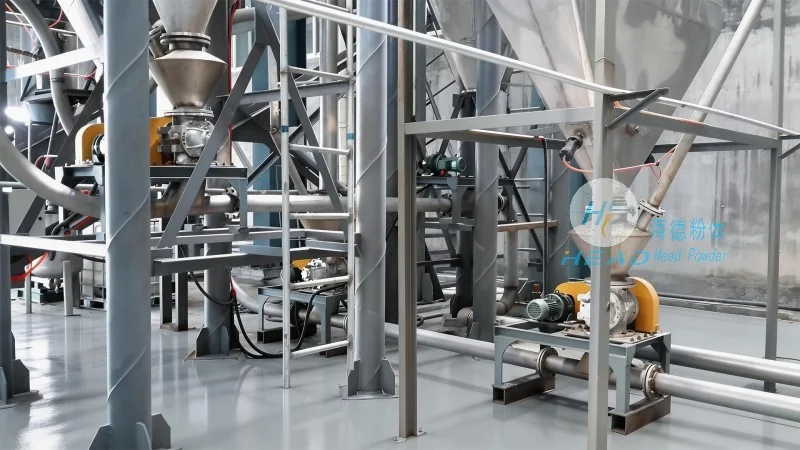
When integrating a microparticle powder pneumatic conveying system into an existing facility, several factors must be considered to ensure compatibility and minimal disruption. The system's layout should be designed to fit within the available space while maintaining access for maintenance and operation. The connection points to existing equipment, such as hoppers or silos, must be properly sized and sealed to prevent leaks. The air compressor and other components should be placed in a location that minimizes noise and vibration, especially in areas where worker comfort is a concern. The system's control system should be integrated with the existing facility's control network to ensure seamless operation. This may involve using standard communication protocols and interfaces to connect the pneumatic conveying system to the plant's control system. Proper training of personnel on the operation and maintenance of the new system is also essential to ensure safe and efficient operation.
Maintenance and Troubleshooting
Maintenance and troubleshooting are important aspects of ensuring the long-term performance of a microparticle powder pneumatic conveying system. Regular maintenance, including cleaning of the feeder, pipeline, and receiver, is necessary to prevent clogging and maintain consistent flow. The air compressor and other mechanical components should be inspected regularly for wear and tear, and replaced as needed. The system's control system should be checked for proper operation and calibration. Common issues in microparticle powder systems include clogging, pressure drop, and uneven flow. Clogging can occur due to agglomeration of the powder or the presence of foreign particles. To address this, the system may need to be cleaned or the powder may need to be pre-treated. Pressure drop issues may indicate a blockage in the pipeline or a problem with the air compressor. Troubleshooting should involve checking the system's pressure readings and flow rates to identify the source of the problem. Regular maintenance and proper system design can help minimize these issues and ensure the system operates efficiently over its lifespan.