

Key Design Considerations for Dry Powder Pneumatic Conveying System Solutions
When designing a dry powder pneumatic conveying system, several critical factors must be considered to ensure efficient, reliable, and cost-effective operation. The process of transporting dry powders using air as the conveying medium requires a comprehensive approach that addresses material properties, system configuration, and operational parameters. This article outlines key design considerations that are essential for developing an effective solution tailored to specific industrial needs.
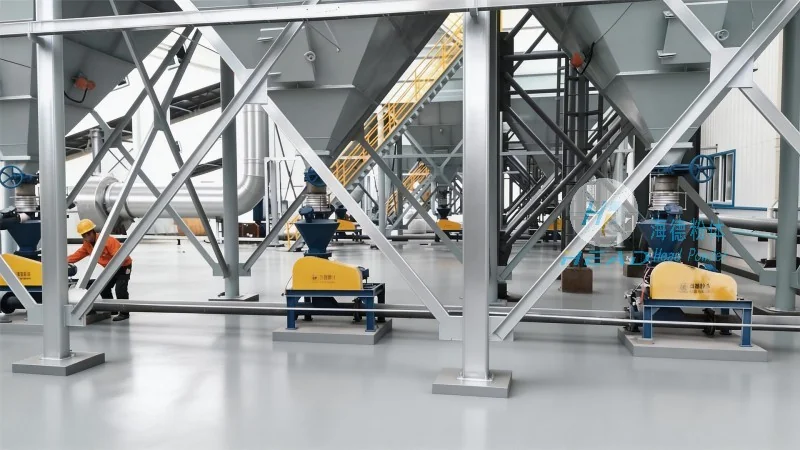
Material Characterization and Its Impact on System Design
The first step in designing a dry powder pneumatic conveying system is thorough material characterization. Key properties such as particle size distribution, density, moisture content, and flowability significantly influence the choice of conveying method and system components. For example, fine powders with high moisture content may require pre-drying or moisture control measures to prevent caking or blockages. Conversely, coarse or abrasive powders may necessitate specialized equipment like high-pressure or positive displacement pumps to handle the increased wear and friction. Understanding these material characteristics allows engineers to select the appropriate air velocity, pressure, and equipment type, ensuring optimal performance and minimizing system downtime.
System Configuration: Positive Displacement vs. Dilute Phase
Dry powder pneumatic conveying systems can be broadly categorized into two main types: positive displacement and dilute phase. The selection between these configurations depends on the material's properties, required conveying distance, and throughput. Positive displacement systems use pumps to move the material in a closed loop, typically operating at higher pressures (e.g., 10-100 bar) and lower air velocities. This method is ideal for handling abrasive or sticky powders where maintaining a consistent flow is critical. Dilute phase systems, on the other hand, rely on high-velocity air to suspend the powder particles in a cloud, operating at lower pressures (e.g., 1-10 bar) and higher air velocities. Dilute phase is suitable for longer distances and less abrasive materials but may require larger ducts and higher energy consumption. The choice of configuration directly impacts system efficiency, maintenance costs, and overall operational flexibility.
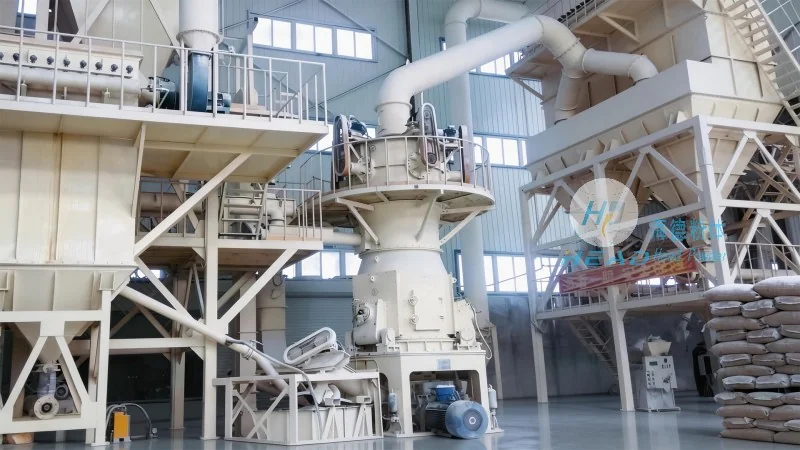
Key Design Parameters: Air Velocity, Pressure, and Flow Rate
Several critical parameters must be precisely determined during the design phase. Air velocity is a primary factor that determines the ability to suspend and transport powder particles. For dilute phase systems, the minimum air velocity required to keep particles airborne is calculated based on the material's terminal velocity and particle size. Exceeding this velocity ensures efficient transport but increases energy consumption. Pressure levels are equally important, as they affect the system's ability to overcome friction losses and maintain flow. Flow rate, measured in terms of material throughput (e.g., kg/h or ton/h), must be matched to the system's capacity to avoid overloading or underutilization. Properly balancing these parameters is essential to achieve the desired conveying efficiency while minimizing energy costs and wear on components.
Equipment Selection: Hoppers, Feeders, and Conveyors
The selection of appropriate equipment is crucial for the successful operation of a dry powder pneumatic conveying system. Hoppers are used to store and feed the powder into the system, and their design must prevent material bridging or segregation. For cohesive powders, hopper angles and internal surfaces are optimized to ensure smooth discharge. Feeders, such as rotary valves or screw feeders, regulate the material flow rate into the conveying line. The choice of feeder depends on the material's flowability and the required control precision. Conveyors, including pipelines and ducts, must be sized and constructed to handle the material's properties and the system's pressure and velocity requirements. For abrasive powders, high-quality materials like stainless steel or special alloys are used to minimize wear and extend equipment life. Proper equipment selection ensures consistent material handling, reduces maintenance, and enhances system reliability.
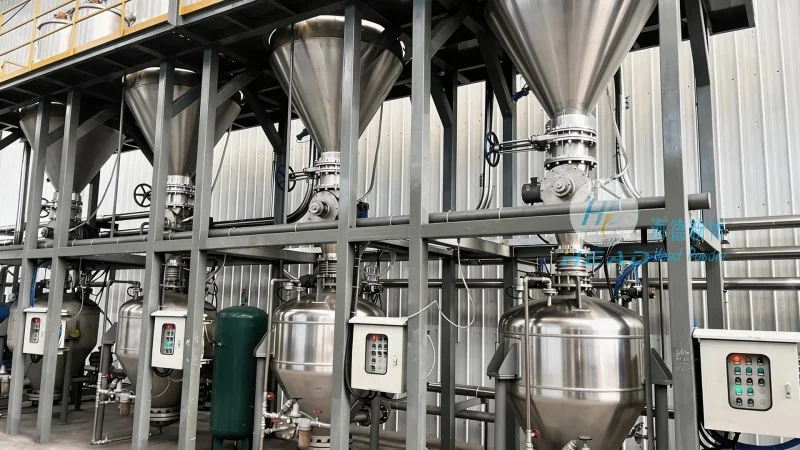
System Integration and Control Strategies
Integrating the dry powder pneumatic conveying system with other processes and implementing effective control strategies are vital for operational success. The system must be designed to interface with upstream and downstream equipment, such as storage silos, mixers, or reactors, to ensure seamless material transfer. Control systems, including pressure sensors, flow meters, and variable frequency drives (VFDs), monitor and adjust system parameters in real-time. This allows for automatic adjustments to maintain optimal performance under varying conditions, such as changes in material feed rate or pressure drops. Additionally, incorporating safety features like pressure relief valves and emergency shutdown (ESD) systems is essential to protect personnel and equipment from potential hazards. A well-integrated and controlled system enhances operational efficiency, reduces downtime, and improves overall safety.
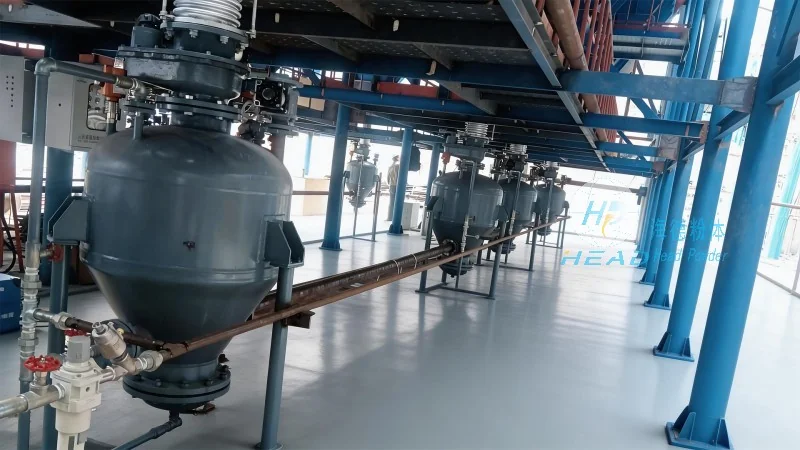
Maintenance and Long-Term Performance
Proper maintenance is critical to ensure the long-term performance and reliability of a dry powder pneumatic conveying system. Regular inspections of equipment components, such as hoppers, feeders, and pipelines, help identify wear or damage early, preventing major failures. Cleaning procedures, including air blow-back and material flushing, are essential to remove accumulated powder and prevent blockages. For systems handling abrasive or sticky materials, more frequent maintenance intervals may be required to replace worn parts and maintain efficiency. Implementing a preventive maintenance schedule, combined with regular performance monitoring, helps extend equipment life and reduce operational costs. By prioritizing maintenance, system owners can ensure consistent performance, minimize downtime, and maximize the return on investment.
Conclusion: Tailoring Solutions for Specific Applications
In conclusion, designing a dry powder pneumatic conveying system requires a systematic approach that considers material properties, system configuration, and operational parameters. By carefully evaluating these factors and selecting appropriate equipment and control strategies, engineers can develop a solution that meets the specific needs of an industrial application. The key to success lies in balancing efficiency, cost, and reliability, ensuring that the system operates smoothly and consistently over its lifespan. For companies seeking reliable dry powder conveying solutions, Shandong HeadPowder Engineering Co., Ltd. offers expert design and implementation services, leveraging years of experience in the field to deliver tailored systems that meet the highest standards of performance and durability.