

Design Considerations for High-Temperature Ash Pneumatic Conveying System Solutions
When designing a high-temperature ash pneumatic conveying system, several critical factors must be considered to ensure optimal performance, safety, and longevity. The system is typically used in power plants and industrial facilities where ash removal is essential for maintaining operational efficiency and environmental compliance. The design process involves a comprehensive evaluation of material properties, operating temperatures, and the specific requirements of the application.
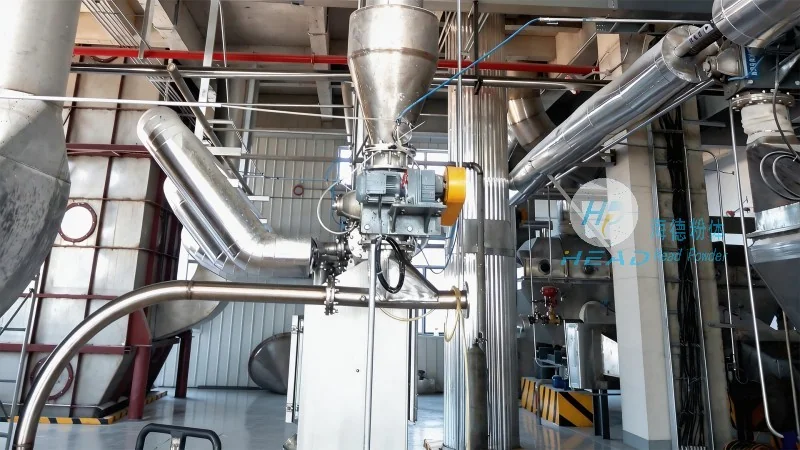
Key Components and Their Role in High-Temperature Conveying
The core components of a high-temperature ash pneumatic conveying system include the ash hopper, feeder, conveying pipeline, and receiver. Each component is engineered to withstand extreme temperatures and abrasive conditions. The ash hopper is designed to store the ash and provide a consistent feed to the feeder. The feeder, often a rotary valve or screw feeder, controls the flow rate of the ash into the conveying system. The conveying pipeline is constructed from high-temperature-resistant materials such as stainless steel or special alloys to prevent degradation under elevated temperatures. The receiver collects the conveyed ash and may include a dust collection system to ensure environmental safety.
Material Selection for High-Temperature Applications
Choosing the right materials is paramount for the durability and reliability of a high-temperature ash pneumatic conveying system. Materials must be able to withstand continuous exposure to high temperatures, typically ranging from 200°C to 800°C, depending on the application. Stainless steel, particularly grades like 304 or 316, is commonly used for pipelines and fittings due to its corrosion resistance and ability to handle high temperatures. Specialized alloys, such as Inconel or Hastelloy, may be employed in areas with extreme temperatures or corrosive environments. The selection of materials also considers the abrasiveness of the ash, as some materials are more resistant to wear and tear than others.
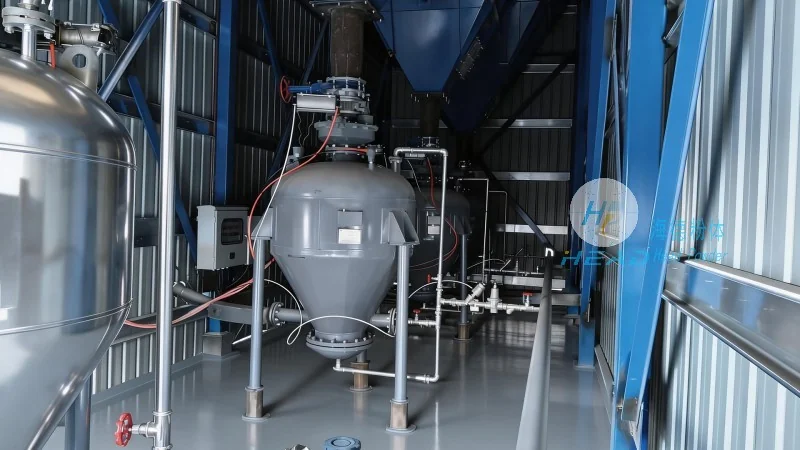
Temperature Control and Heat Management
Effective temperature control is crucial in high-temperature ash conveying systems to prevent equipment failure and ensure safe operation. Heat exchangers or cooling systems may be integrated into the system to regulate the temperature of the ash and the conveying medium. The conveying medium, often air or a gas mixture, must be managed to prevent overheating, which can lead to reduced efficiency or equipment damage. Proper insulation of the pipeline and components helps maintain the desired temperature levels and reduces energy consumption. Regular monitoring of temperature sensors is essential to detect any abnormalities and adjust the system accordingly.
System Efficiency and Flow Rate Optimization
Optimizing the flow rate and efficiency of a high-temperature ash pneumatic conveying system is critical for minimizing energy consumption and maximizing throughput. The system design must account for the density and particle size of the ash, as these factors influence the required air velocity and pressure. Proper sizing of the pipeline diameter and the feeder capacity ensures that the system operates at an optimal flow rate. Variable frequency drives (VFDs) can be used to adjust the speed of the feeder and the blower, allowing for precise control of the ash flow. This not only improves efficiency but also reduces wear on components by preventing overloading.
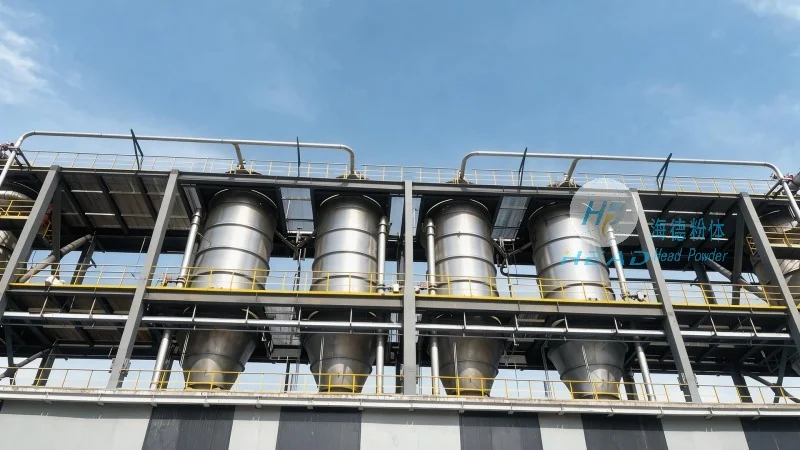
Safety and Environmental Considerations
High-temperature ash pneumatic conveying systems must adhere to strict safety and environmental regulations. The system design includes features such as explosion-proof components, pressure relief valves, and fire suppression systems to mitigate risks. Dust collection systems are integrated to capture any airborne particles and prevent environmental contamination. The use of sealed components and proper ventilation helps maintain a safe working environment for personnel. Regular maintenance and inspections are essential to ensure that the system operates within safe parameters and complies with regulatory standards.
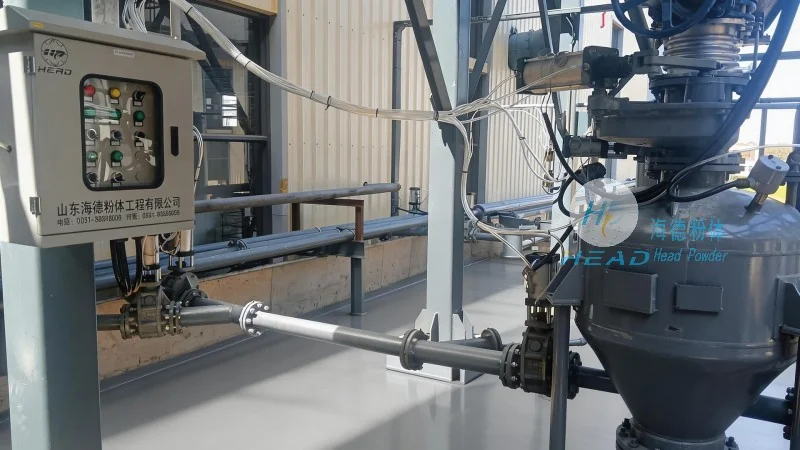
Customization and System Integration
High-temperature ash pneumatic conveying systems are often customized to meet the specific needs of each facility. The system design considers factors such as the location of the ash source and receiver, the distance to be covered, and the required throughput. Integration with existing infrastructure, such as existing pipelines or control systems, is also a key consideration. The system may include automation and control systems to monitor and control the operation, ensuring consistent performance and reducing the need for manual intervention. Customization also allows for the incorporation of advanced features, such as real-time monitoring and predictive maintenance, to enhance system reliability.
Conclusion: Ensuring Reliable High-Temperature Ash Conveying
Designing a high-temperature ash pneumatic conveying system requires a thorough understanding of the material properties, operating conditions, and application requirements. By considering key components, material selection, temperature control, efficiency optimization, safety measures, and system integration, engineers can develop a reliable and efficient system. The expertise of companies like Shandong HeadPowder Engineering Co., Ltd. is crucial in ensuring that these systems are designed and implemented to meet the highest standards of performance and safety. With proper design and maintenance, high-temperature ash pneumatic conveying systems can provide long-term benefits to power plants and industrial facilities by improving operational efficiency and reducing environmental impact.