

Sand Particle Pneumatic Conveying: How to Efficiently Transport Powder and Granular Materials with A
Efficiently transporting sand particles and other fine or granular materials is a critical challenge in many industrial processes. Pneumatic conveying, a method that uses air or gas to move bulk materials, offers a solution that can enhance productivity, reduce costs, and improve safety compared to traditional methods like belt conveyors or bucket elevators.
Understanding Pneumatic Conveying Systems
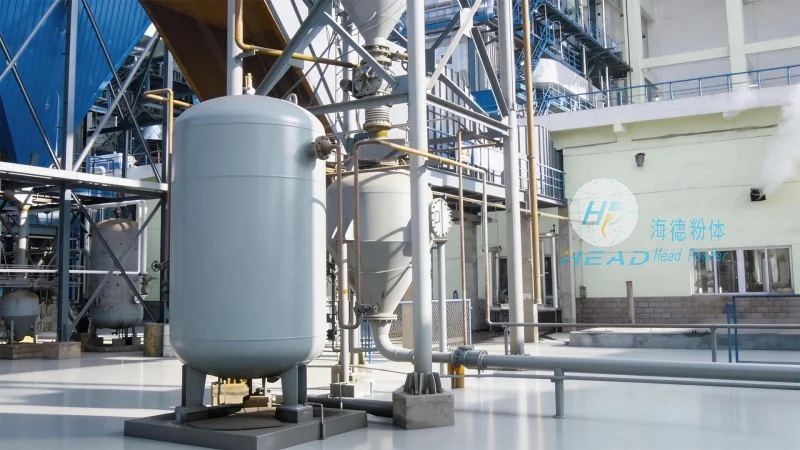
Pneumatic conveying systems operate by creating a pressure differential or using vacuum to move materials through a pipeline. In a typical system, material is fed into a hopper, where it is then drawn into a pipeline by the moving air. The air flow carries the particles along the pipeline to the discharge point. There are two main types of pneumatic conveying: pressure and vacuum. Pressure systems use compressed air to push material through the line, while vacuum systems use a vacuum to pull material from the source. The choice between these systems depends on the distance, material characteristics, and process requirements.
Key Components of a Pneumatic Conveying System
Several key components are essential for the effective operation of a pneumatic conveying system. These include the hopper or feeder, which provides a consistent feed of material; the pipeline, which transports the material; the air mover (either a blower or a vacuum pump); and the control system, which regulates the air flow and material feed. The design of these components is crucial for the system's efficiency and reliability. For example, the hopper must be designed to prevent material bridging or caking, which can disrupt the flow. The pipeline must be properly sized and routed to minimize pressure drop and ensure smooth material transport. The air mover must be capable of generating sufficient pressure or vacuum to move the material over the required distance.
Applications in Sand Processing
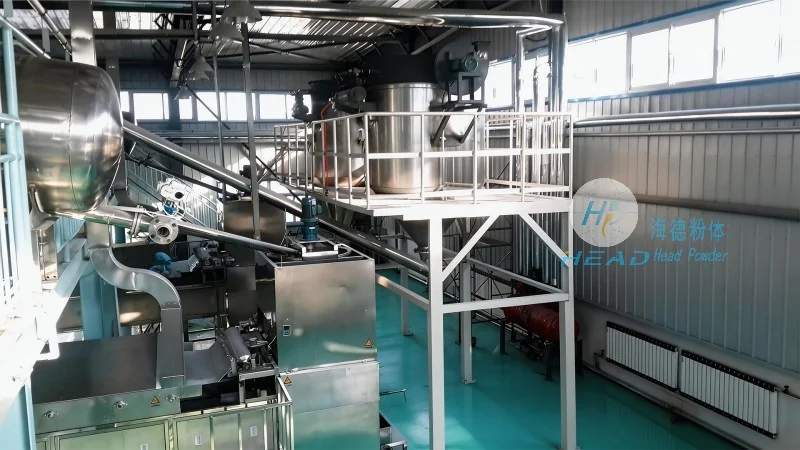
Sand, a common granular material, is widely used in construction, foundries, and other industries. The efficient handling of sand particles is vital for maintaining production rates and product quality. Pneumatic conveying is particularly well-suited for sand because it can handle fine particles without the risk of clogging or degradation that can occur with mechanical conveyors. In foundries, for example, pneumatic conveying is used to transport sand from storage silos to molding machines. This method ensures a consistent supply of sand, which is essential for producing high-quality castings. In construction, pneumatic conveyors are used to transport sand to job sites, where it is used for mixing concrete or as a base material for foundations.
Advantages of Pneumatic Conveying for Sand Particles
Compared to traditional conveying methods, pneumatic conveying offers several advantages for sand and other granular materials. One of the primary benefits is the ability to handle fine particles without the need for additional equipment like classifiers or screens. This reduces the complexity and cost of the system. Another advantage is the reduced risk of dust and contamination, as the material is contained within the pipeline. This is particularly important for sand used in food or pharmaceutical applications, where purity is critical. Additionally, pneumatic conveying can be more energy-efficient than mechanical conveyors, especially over long distances. The system can also be easily integrated with other process equipment, such as mixers or dryers, to create a seamless production line.
HeadPowder's Expertise in Pneumatic Conveying Solutions
Shandong HeadPowder Engineering Co., Ltd., a leading provider of pneumatic conveying systems, specializes in designing and manufacturing solutions tailored to the unique needs of sand and other granular materials. With years of experience in the industry, HeadPowder has developed a deep understanding of the challenges associated with sand processing and has developed innovative solutions to address them. The company's team of engineers and technicians work closely with clients to understand their specific requirements and design systems that maximize efficiency and minimize downtime. HeadPowder's systems are built with high-quality components and are rigorously tested to ensure they meet the highest standards of performance and reliability. The company also provides comprehensive after-sales support, including maintenance and repair services, to ensure that clients can continue to operate their systems at peak performance.
Customizing Pneumatic Conveying Systems for Optimal Performance
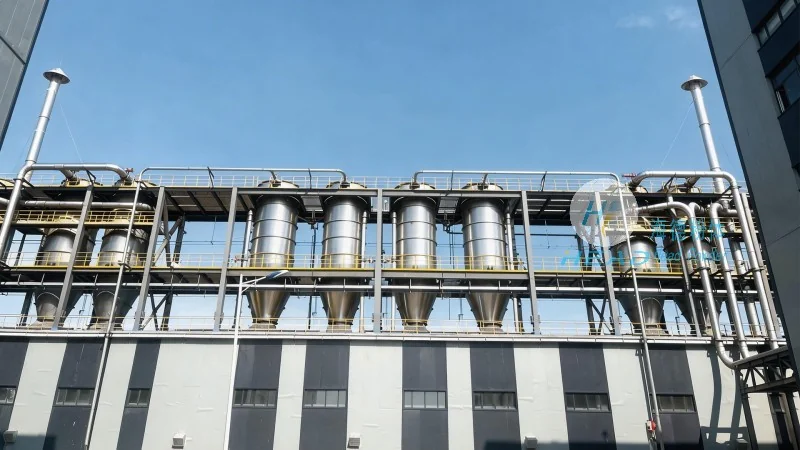
Every industrial application has unique requirements, and a one-size-fits-all approach to pneumatic conveying is often ineffective. HeadPowder recognizes this and offers customized solutions to meet the specific needs of each client. The company's engineers work with clients to assess their process parameters, such as the type and quantity of sand, the distance to be transported, and the required flow rate. Based on this information, they design a system that is optimized for performance and efficiency. Customization may include selecting the appropriate type of air mover, determining the optimal pipeline diameter and length, and incorporating features like in-line filters or cyclones to improve material quality. By customizing the system, HeadPowder ensures that clients achieve the best possible results and maximize the return on their investment.
Ensuring Long-Term Reliability and Efficiency
Investing in a pneumatic conveying system is a significant decision, and clients want to ensure that their system will provide reliable performance over the long term. HeadPowder addresses this concern by using high-quality materials and components in the construction of their systems. The company's pipelines are made from durable materials like stainless steel or polyethylene, which are resistant to corrosion and wear. The air movers are designed to operate efficiently over extended periods, with features like variable speed drives to adjust to changing load conditions. HeadPowder also provides regular maintenance and inspection services to ensure that the system remains in optimal condition. By focusing on reliability and efficiency, HeadPowder helps clients achieve consistent performance and minimize downtime, which is critical for maintaining production rates and meeting customer demands.