

Principle and Classification Application of Copper Concentrate Powder Pneumatic Conveying
Understanding the fundamental principles and various applications of copper concentrate powder pneumatic conveying is crucial for optimizing material handling processes in mining and processing industries. This article provides a comprehensive overview of the technology, including its working principles and different classification systems used in practical applications.
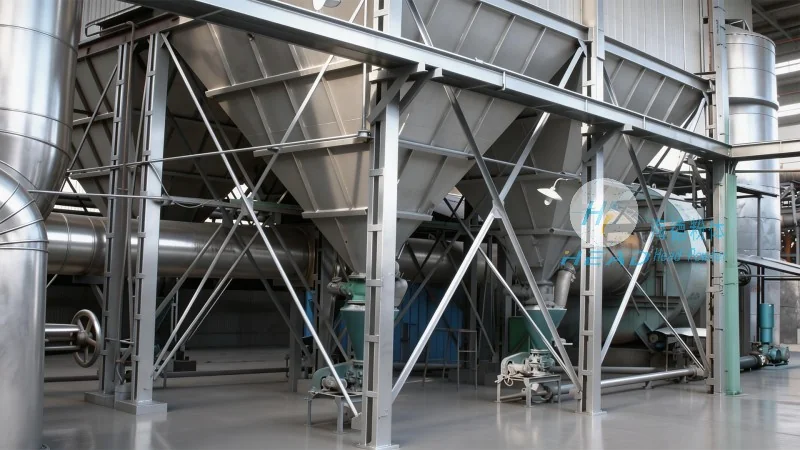
Working Principle of Copper Concentrate Powder Pneumatic Conveying
The core mechanism of copper concentrate powder pneumatic conveying involves the use of air or gas to transport particulate materials like copper concentrate through a pipeline system. The process typically operates on the principle of creating a pressure differential or using vacuum to move the material. There are two main types of pneumatic conveying systems: pressure systems and vacuum systems. In pressure systems, a positive pressure is generated at the material feed point, pushing the powder through the pipeline. Vacuum systems, on the other hand, create a negative pressure at the discharge end, drawing the material into the system. The choice between these systems depends on factors such as the distance of material transport, the required flow rate, and the characteristics of the copper concentrate powder, including its particle size, moisture content, and bulk density.
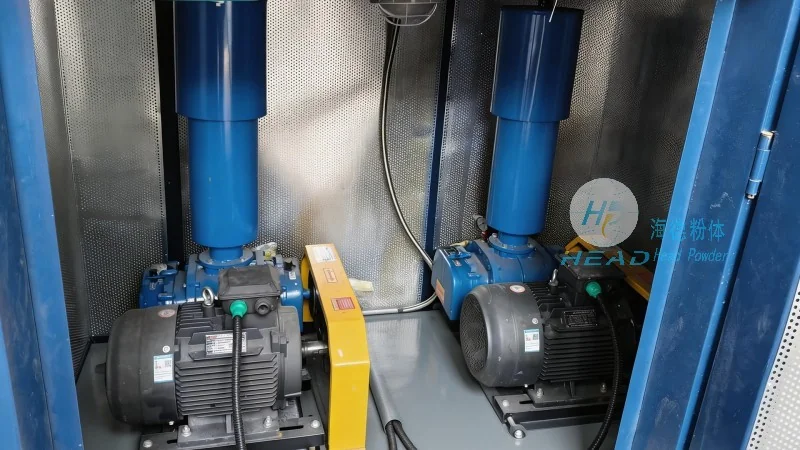
Classification of Pneumatic Conveying Systems for Copper Concentrate Powder
Pneumatic conveying systems for copper concentrate powder can be classified based on several criteria, including the method of air flow, the pressure level, and the system configuration. The primary classifications include dilute-phase and dense-phase systems. Dilute-phase systems operate at relatively low pressure and high air-to-material ratios, where the powder is suspended in the air stream. This type is suitable for short to medium-distance transport and is commonly used in applications where the material is non-abrasive and has a relatively low particle size. Dense-phase systems, conversely, operate at higher pressures and lower air-to-material ratios, where the powder is conveyed in a more compact form, often with the material forming a plug or slug within the pipeline. Dense-phase systems are preferred for longer distances and for handling materials that are more abrasive or have larger particle sizes, as they reduce wear on the system components and minimize material degradation.
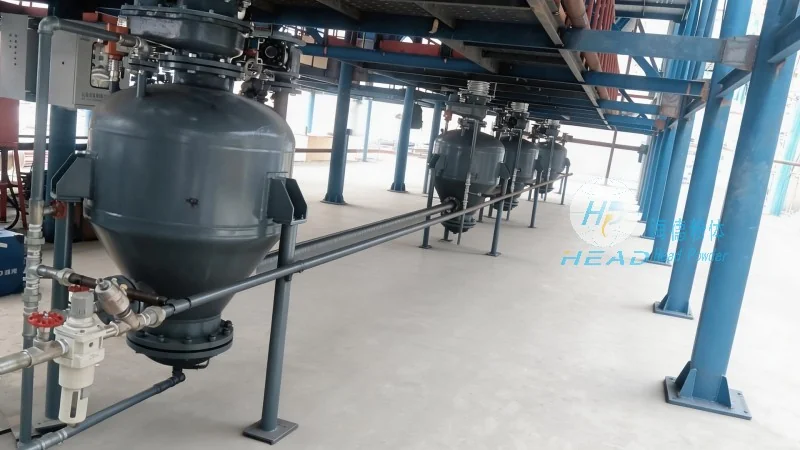
Key Applications of Copper Concentrate Powder Pneumatic Conveying
The application of copper concentrate powder pneumatic conveying spans various stages of the mining and processing workflow. In the mining sector, it is used for transporting copper concentrate from the ore processing plant to storage facilities or for transferring it to the next processing stage, such as from grinding and classification to flotation or filtration. In industrial settings, it also facilitates the transfer of copper concentrate to downstream facilities like smelters or refineries, ensuring a continuous and efficient supply chain. The technology is particularly advantageous in environments where traditional mechanical conveying methods may be impractical due to the dusty nature of copper concentrate or the need to avoid contamination of the material.
Factors Influencing the Selection of Pneumatic Conveying Systems for Copper Concentrate Powder
The selection of an appropriate pneumatic conveying system for copper concentrate powder is influenced by multiple technical and operational factors. Material properties are a critical consideration, as the particle size distribution, moisture content, and bulk density of the copper concentrate directly impact the system's performance. For instance, fine-grained copper concentrate may require a system with higher air velocities to maintain suspension, while coarser particles might benefit from a dense-phase system to prevent blockages. The distance of material transport is another key factor; for short distances, dilute-phase systems are often sufficient, whereas for longer distances, dense-phase systems or hybrid systems that combine both dilute and dense-phase characteristics may be more effective. Additionally, the required flow rate and the need for material containment and dust control also play significant roles in system selection. Environmental regulations and safety considerations, such as the prevention of dust explosions, may also dictate the choice of system components, like explosion-proof motors and proper venting systems.
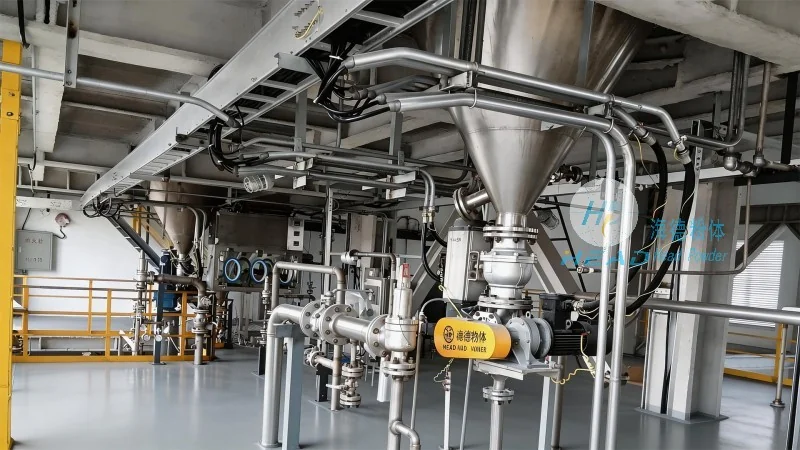
Advantages of Using Pneumatic Conveying for Copper Concentrate Powder Handling
Implementing pneumatic conveying systems for copper concentrate powder offers several advantages over traditional mechanical conveying methods. One of the most significant benefits is the ability to handle material in a closed system, which minimizes dust emissions and improves workplace safety. This is particularly important in copper mining and processing, where dust can be a health hazard and may lead to environmental contamination. The closed system also helps maintain the quality of the copper concentrate by preventing contamination from external sources and reducing the risk of material degradation due to exposure to air or moisture. Another advantage is the flexibility of the system, which allows for easy integration with existing processing equipment and the ability to transport material over long distances without the need for intermediate storage or transfer points. Pneumatic conveying systems are also relatively compact and can be installed in confined spaces, making them suitable for facilities with limited floor space. Furthermore, the technology can be automated and controlled, enabling precise regulation of material flow rates and pressure levels, which enhances process efficiency and reduces operational costs.