

Trident Material Pneumatic Conveying Technology: In-Depth Analysis of Negative and Positive Pressure
Trident material pneumatic conveying technology serves as a critical component in material handling processes, enabling the efficient and safe transportation of trident materials across various industrial applications. This technology encompasses both negative pressure and positive pressure systems, each offering distinct operational characteristics and suitability for different material handling scenarios. A comprehensive understanding of these systems is essential for optimizing material flow, minimizing downtime, and ensuring compliance with industry standards.
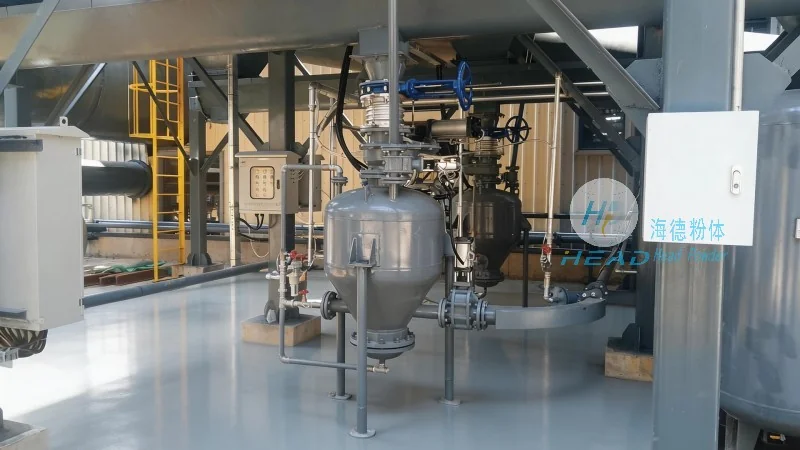
Overview of Pneumatic Conveying Systems
Pneumatic conveying systems utilize air or gas to transport bulk materials through a pipeline network. These systems are widely adopted in sectors such as chemical, pharmaceutical, food processing, and mining due to their ability to handle diverse materials, including powders, granules, and fine particles. The selection between negative pressure and positive pressure systems is influenced by factors like material properties, system layout, and the required transport distance. Each system type has its own advantages and limitations, making it crucial to evaluate the specific needs of the application before implementation.
Negative Pressure (Suction) Pneumatic Conveying Systems
Negative pressure systems operate by creating a vacuum at the material inlet to draw material into the pipeline. This method is particularly effective for handling materials that are prone to dust generation or require gentle handling to prevent degradation. The system typically includes a vacuum pump, a material feed hopper equipped with a rotary valve or feeder, and a filter to capture any particles that may escape. Negative pressure conveying is commonly used for short to medium distance transport and for materials sensitive to pressure fluctuations. It is also favored in industries where maintaining a clean environment is paramount, such as pharmaceuticals and food processing.
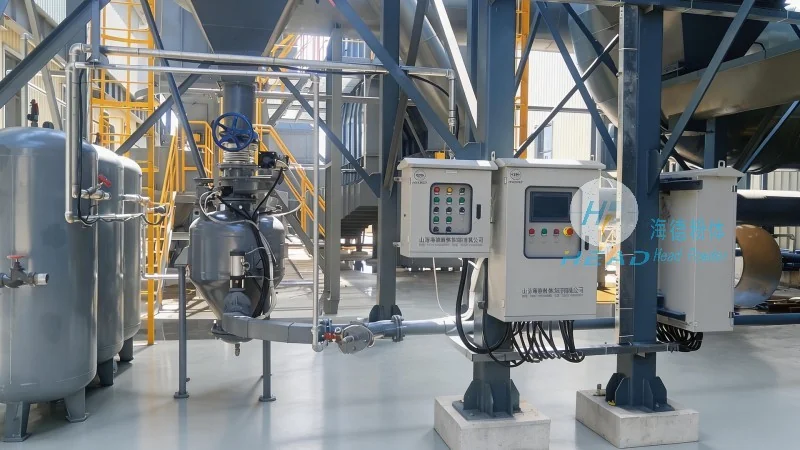
Positive Pressure (Pressure) Pneumatic Conveying Systems
Positive pressure systems, or pressure conveying, operate by blowing air or gas through the pipeline to push material forward. This approach is suitable for longer distances and for materials that are less sensitive to air exposure. Positive pressure systems are generally more robust and can handle higher material loads compared to negative pressure systems. They often incorporate a blower or compressor to generate the necessary pressure, a material feed hopper, and a discharge valve to control the flow of material. This system type is commonly employed in mining and bulk material handling applications where high throughput and long-distance transport are required.
Core Components and Their Roles
Both negative and positive pressure systems share fundamental components, though their configurations may vary based on the system type. Key components include the conveying line, which is typically constructed from stainless steel or other corrosion-resistant materials to ensure durability and hygiene. The material feed hopper is designed to store and meter the material, often equipped with a feeder to regulate the flow rate. For negative pressure systems, a filter and dust collector are essential to maintain air quality and comply with environmental regulations. In positive pressure systems, a blower or compressor provides the necessary pressure to move the material, while a cyclone separator may be used to separate material from air at the discharge end.
Performance Considerations and Application Scenarios
The selection of a negative or positive pressure system depends on specific application requirements. For instance, in the pharmaceutical industry, negative pressure systems are preferred due to their ability to handle sensitive materials and minimize contamination. In contrast, the mining industry may opt for positive pressure systems for their ability to transport larger quantities of materials over longer distances. Performance considerations include the system's capacity, which is measured in terms of material flow rate and distance, as well as energy consumption and maintenance requirements. Proper system design and regular maintenance are crucial to ensure optimal performance and longevity.
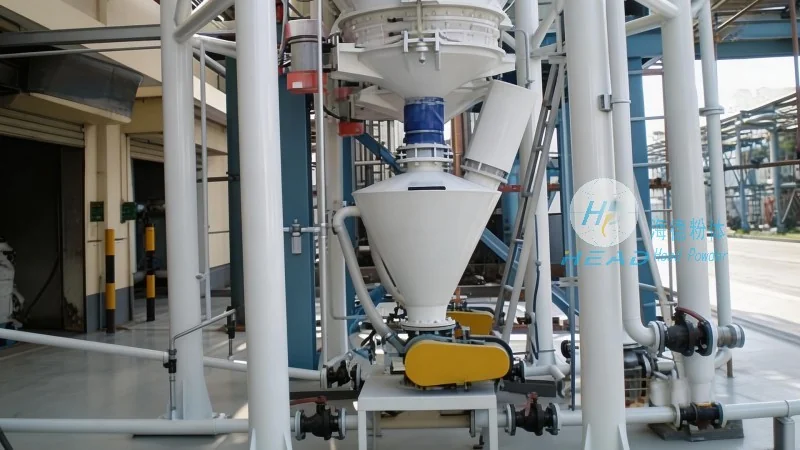
Case Study: Implementation by Shandong HeadPowder Engineering Co., Ltd.
Shandong HeadPowder Engineering Co., Ltd., a leading provider of material handling solutions, has successfully implemented both negative and positive pressure pneumatic conveying systems for various clients. One notable project involved the installation of a negative pressure system for transporting fine powders in a chemical plant. The system was designed to handle high volumes of material while maintaining a clean and safe environment. The company's expertise in system design and integration ensured that the system met all regulatory requirements and provided reliable operation. Another project featured a positive pressure system for transporting bulk materials in a mining operation, where the system's robust design and high capacity were critical to meeting production targets. These case studies highlight the company's capability to tailor solutions to meet diverse industrial needs.
Conclusion and Future Developments
In conclusion, the choice between negative and positive pressure pneumatic conveying systems for trident materials is determined by a range of factors, including material properties, system layout, and operational goals. Both systems offer unique advantages and are indispensable tools in modern material handling. As technology advances, there is a growing emphasis on energy efficiency and sustainability in pneumatic conveying systems. Future trends may include the integration of advanced control systems, such as automation and real-time monitoring, to optimize performance and reduce operational costs. Shandong HeadPowder Engineering Co., Ltd. continues to innovate and provide tailored solutions to meet the evolving needs of the industry, ensuring that material handling processes remain efficient, safe, and compliant with industry standards.