

Types and Practical Applications of Pneumatic Conveying Systems for Aluminum Dross Transport
Aluminum dross, a byproduct of aluminum smelting and processing, poses significant challenges in handling and transportation due to its abrasive nature and varying particle sizes. Traditional methods like belt conveyors or bucket elevators often struggle with the material's characteristics, leading to increased wear and operational inefficiencies. Pneumatic conveying systems have emerged as a robust solution, offering flexibility and reliability in transporting aluminum dross from processing sites to disposal or recycling facilities. This article explores the different types of pneumatic conveying systems commonly used in aluminum dross transport and their practical applications, highlighting the technological advancements and operational benefits they provide.
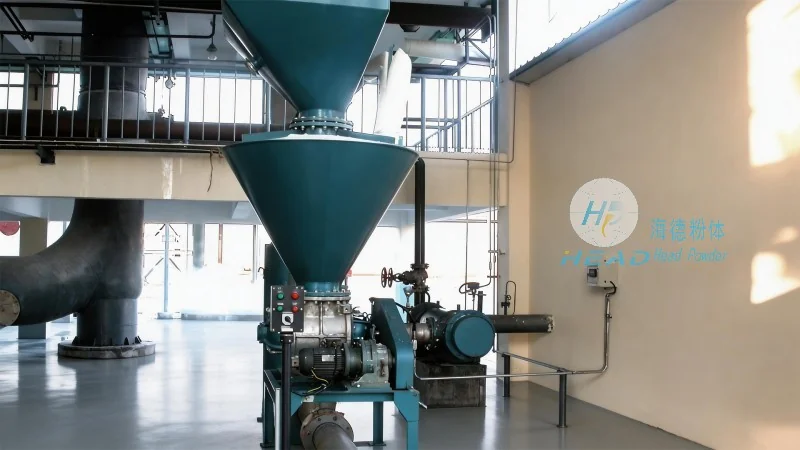
Overview of Pneumatic Conveying Systems for Aluminum Dross
Pneumatic conveying systems utilize air or gas to transport bulk materials like aluminum dross through a pipeline network. These systems are categorized based on the pressure differential between the conveying line and the ambient air. The primary types include positive pressure, negative pressure, and mixed pressure systems, each with distinct advantages and applications in aluminum dross handling.
Types of Pneumatic Conveying Systems
Positive Pressure Systems
Positive pressure systems operate by blowing air or gas into the conveying line, creating a pressure higher than the ambient air. This method is particularly effective for transporting aluminum dross over long distances or through complex pipeline networks. The high pressure ensures consistent material flow and reduces the risk of blockages. Positive pressure systems are often preferred in industrial settings where the material needs to be transported to multiple destinations or integrated with other processing equipment.
Negative Pressure Systems
Negative pressure systems, also known as vacuum conveying systems, operate by creating a vacuum inside the conveying line, drawing material from the source. This approach is ideal for handling aluminum dross in confined spaces or when the material needs to be collected from various points. Negative pressure systems are commonly used in applications where the dross is generated at multiple locations and needs to be consolidated into a central collection point. They are also beneficial for transporting fine or dusty dross particles without generating excessive dust emissions.
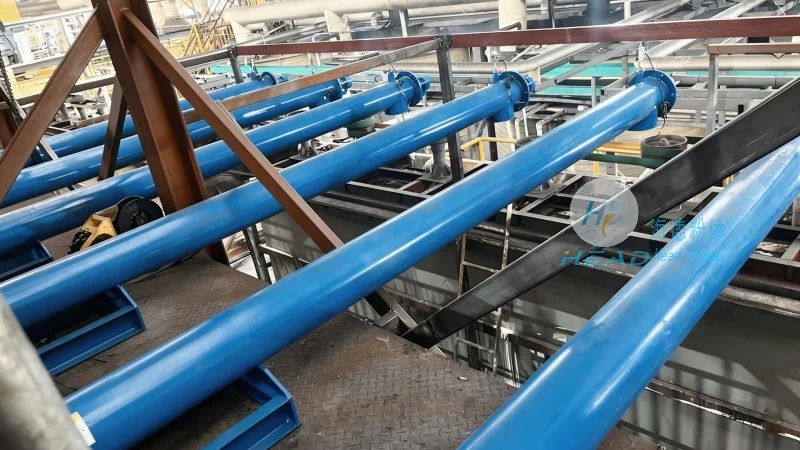
Mixed Pressure Systems
Mixed pressure systems combine elements of both positive and negative pressure operation. They typically use a positive pressure section to transport material from the source to a central point and a negative pressure section to move the material from the central point to the destination. This hybrid approach offers flexibility and efficiency, allowing for the transportation of aluminum dross over varying distances and through different environmental conditions. Mixed pressure systems are often employed in large-scale aluminum processing facilities where multiple processing stages and material handling points are involved.
Practical Applications in Aluminum Dross Transport
The choice of pneumatic conveying system for aluminum dross transport depends on several factors, including the distance between the source and destination, the volume of material to be transported, the particle size and characteristics of the dross, and the operational environment. Positive pressure systems are commonly used in applications requiring long-distance transport or integration with other industrial processes. For example, in aluminum smelting plants, positive pressure systems are used to transport dross from the furnace to the recycling or disposal facilities, ensuring a continuous and efficient material flow.
Negative pressure systems are often employed in applications where the dross is generated in multiple locations and needs to be collected centrally. This is particularly useful in recycling facilities where dross is collected from various processing stations and transported to a central melting or treatment unit. The vacuum operation helps in minimizing dust emissions and maintaining a clean working environment.
Mixed pressure systems are ideal for complex transport scenarios, such as transporting dross from multiple sources to different processing units or disposal sites. In large aluminum processing complexes, these systems can be integrated with other material handling equipment to create a seamless material flow. For instance, a mixed pressure system might transport dross from the primary smelting furnace to a secondary processing unit and then to a disposal facility, optimizing the overall operational efficiency.
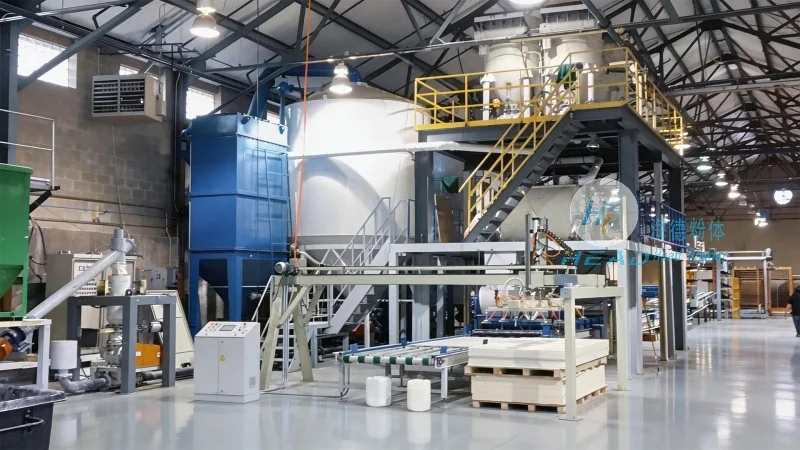
Operational Benefits and Considerations
Pneumatic conveying systems for aluminum dross transport offer several operational benefits, including reduced wear and tear on equipment, lower maintenance costs, and improved safety compared to traditional mechanical conveyors. The enclosed pipeline system minimizes dust exposure, enhancing workplace safety and compliance with environmental regulations. Additionally, these systems can be designed to handle varying dross compositions, including different levels of metal content and impurities, without significant performance degradation.
However, the selection and implementation of pneumatic conveying systems require careful consideration of several factors. The material's properties, such as particle size distribution, moisture content, and abrasiveness, play a crucial role in determining the appropriate system type and design. For instance, highly abrasive dross may require specialized materials for the conveying pipeline and components to prevent premature wear. The distance and layout of the transport route also influence the system's design, as longer distances may necessitate additional boosters or larger diameter pipelines to maintain consistent material flow.
Conclusion
Pneumatic conveying systems represent a sophisticated and effective solution for aluminum dross transport, offering flexibility, reliability, and operational efficiency. The different types of systems—positive pressure, negative pressure, and mixed pressure—each provide unique advantages tailored to specific application requirements. By understanding the material characteristics and operational needs, industrial facilities can select the most appropriate pneumatic conveying system to optimize their aluminum dross handling processes. As technology continues to advance, these systems are likely to become even more efficient and sustainable, contributing to the overall improvement of aluminum processing and recycling operations.