

What is Pneumatic Conveying of Seasoning Powder Materials? Exploring Design Principles
For industrial operations dealing with fine powder materials like seasonings, the efficient and reliable transportation of these products is crucial. Pneumatic conveying systems offer a solution that can enhance productivity while maintaining product quality. This article explores the concept of pneumatic conveying for seasoning powder materials and delves into the core design principles that underpin such systems.
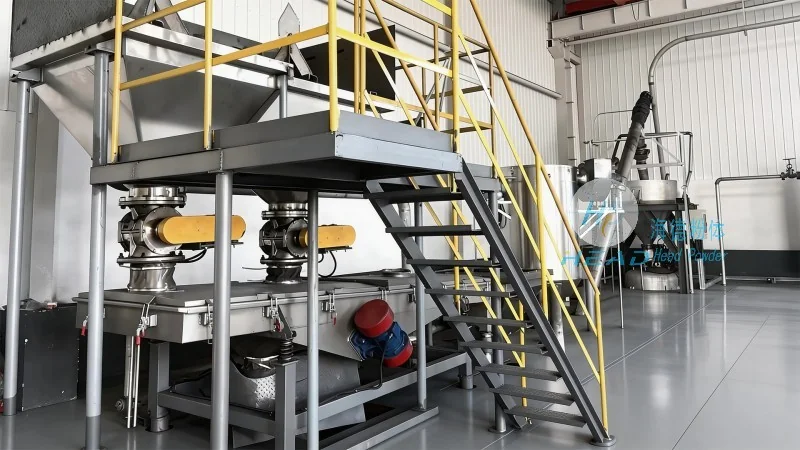
Pneumatic Conveying: An Overview
Pneumatic conveying is a method of transporting bulk materials, including powders, granules, and small particles, using a stream of pressurized or vacuum air. In the context of seasoning powders, this technology is particularly valuable due to the sensitivity of these ingredients to moisture, temperature, and contamination. Unlike traditional mechanical conveying methods, pneumatic systems can minimize product degradation and ensure a consistent flow, making them ideal for food processing applications.
Key Components of a Pneumatic Conveying System
At the heart of any pneumatic conveying system are several critical components that work in tandem to move the powder. These include the air compressor or vacuum pump, which generates the necessary pressure or vacuum; the conveying line, typically made of stainless steel to prevent corrosion and maintain hygiene; and the material feed and discharge equipment. For seasoning powders, specialized feeders such as rotary valves or screw feeders are often used to ensure a controlled and consistent feed rate, preventing clogging and maintaining product integrity.
Design Principles for Seasoning Powder Conveying
The design of a pneumatic conveying system for seasoning powders requires careful consideration of several factors to ensure optimal performance. One of the primary design principles is the selection of the appropriate air velocity. The air velocity must be high enough to overcome the resistance of the powder particles but low enough to prevent excessive wear on the system components and to maintain product quality. Engineers typically use the "critical velocity" concept, which is the minimum air velocity required to keep the powder particles suspended in the air stream.
Another crucial design principle is the system's pressure or vacuum level. Positive pressure systems, where air is forced through the conveying line, are commonly used for short to medium-distance conveying of seasoning powders. These systems are efficient and can handle a wide range of particle sizes. Conversely, vacuum systems are preferred for longer distances or when the material needs to be transported from multiple sources to a central collection point. The choice between positive and negative pressure depends on the specific application requirements and the layout of the production facility.
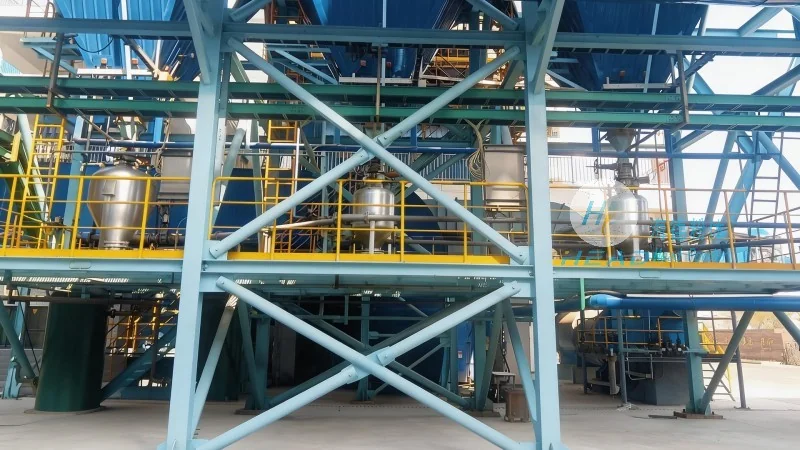
Material Handling Considerations
When designing a pneumatic conveying system for seasoning powders, material handling considerations play a significant role. Seasoning powders are often hygroscopic, meaning they can absorb moisture from the air, which can affect their flavor and texture. Therefore, the system must be designed to minimize exposure to ambient air and maintain a controlled environment. This may involve using sealed conveying lines, moisture-resistant materials, and proper insulation to prevent temperature fluctuations that could lead to moisture absorption.
Additionally, the system must be constructed from materials that are compatible with the seasoning powders. Stainless steel is the preferred material due to its corrosion resistance and ability to maintain hygiene standards required in food processing. The design also considers the potential for product segregation or agglomeration, which can occur during transport. To mitigate this, engineers may incorporate features such as inline mixers or vibration devices to ensure a uniform flow of the powder throughout the system.
Applications in the Food Industry
Pneumatic conveying systems are widely used in the food industry, particularly in the production of seasonings, spices, and other powdered ingredients. These systems enable manufacturers to efficiently move large quantities of powder from storage silos to processing equipment, such as mixers, blenders, and packaging machines. By using pneumatic conveying, companies can streamline their production processes, reduce labor costs, and improve overall operational efficiency.
For example, in a seasoning production facility, a pneumatic conveying system can transport ground spices from a storage silo to a mixing room, where they are combined with other ingredients to create a final product. The system ensures that the spices are handled gently, preserving their flavor and aroma, which is critical for maintaining product quality. Furthermore, the system can be integrated with automated controls, allowing for precise dosing and monitoring of the powder flow, which enhances consistency and reduces waste.
Advantages of Pneumatic Conveying for Seasoning Powders
Implementing a pneumatic conveying system for seasoning powders offers several advantages over traditional mechanical methods. One of the most significant benefits is the reduction in product contamination and degradation. Since the powder is not in direct contact with mechanical components, the risk of cross-contamination and particle breakage is minimized. This is particularly important in the food industry, where product safety and quality are paramount.
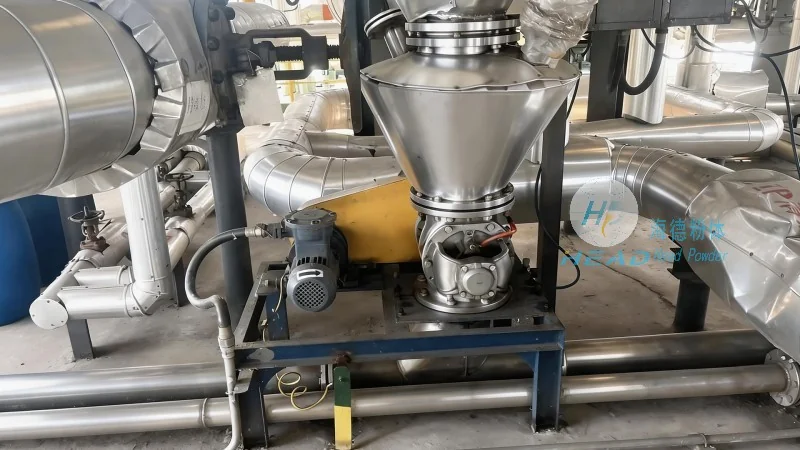
Another advantage is the flexibility and scalability of pneumatic systems. They can be easily modified to accommodate changes in production volume or product type, making them suitable for both small-scale and large-scale operations. The systems can also be integrated with other processing equipment, such as granulators or classifiers, to form a comprehensive material handling solution.
Furthermore, pneumatic conveying systems are energy-efficient compared to some mechanical alternatives. While they require air compressors or vacuum pumps, the overall energy consumption is often lower when considering the reduced need for maintenance and the elimination of mechanical wear. This can lead to long-term cost savings for manufacturers.
Conclusion
Pneumatic conveying of seasoning powder materials is a sophisticated and effective method for transporting these delicate products. By adhering to key design principles, such as appropriate air velocity, pressure or vacuum levels, and material compatibility, manufacturers can ensure the efficient and safe handling of their products. The technology not only enhances operational efficiency but also maintains the quality and integrity of the seasoning powders, making it an essential component in modern food processing facilities.
Shandong HeadPowder Engineering Co., Ltd., a leading provider of material handling solutions, specializes in designing and manufacturing pneumatic conveying systems tailored to the needs of the food industry. With a focus on quality, innovation, and customer satisfaction, the company offers customized solutions that meet the specific requirements of seasoning powder processing. Based in Shandong, China, HeadPowder Engineering leverages its expertise to deliver reliable and efficient systems that help food manufacturers optimize their production processes and maintain the highest standards of product quality.