

Pneumatic Conveying of Sodium Dithionite: Exploring Its Design Principles
Pneumatic conveying of sodium dithionite is a specialized method used in industrial processing to transport this chemical efficiently. As a key component in various applications, understanding the principles behind its design is crucial for optimizing operations and ensuring safety. This article delves into the fundamentals of sodium dithionite pneumatic conveying, detailing the design considerations and technical aspects that make it an effective solution.
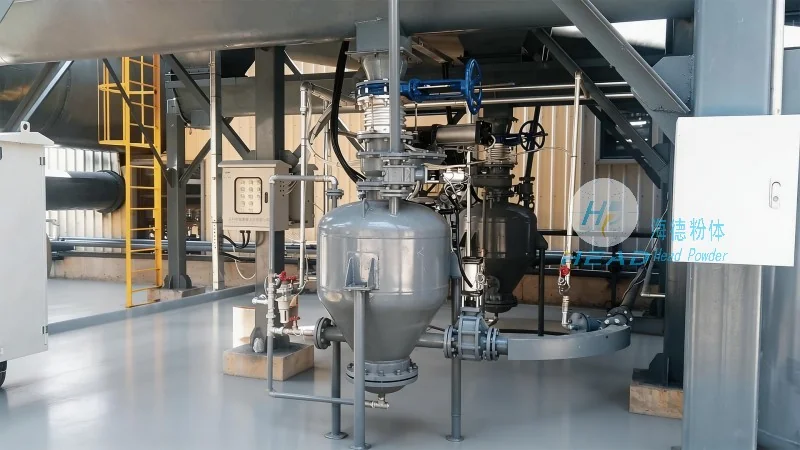
What is the Pneumatic Conveying of Sodium Dithionite Material?
Pneumatic conveying of sodium dithionite involves the use of air or other gases to transport the material from one location to another. Unlike traditional bulk handling methods like belt conveyors or bucket elevators, this technique utilizes a pressurized or vacuum system to move the powder through a pipeline. Sodium dithionite, also known as sodium hydrosulfite, is a white crystalline powder with strong reducing properties, commonly used in the textile, paper, and chemical industries. Its hygroscopic nature and potential for dust generation make conventional handling challenging, prompting the adoption of pneumatic systems for safer and more efficient transport.
The Characteristics of Sodium Dithionite and Its Impact on Conveying
Sodium dithionite's physical and chemical properties significantly influence the design of its pneumatic conveying system. The material is hygroscopic, meaning it absorbs moisture from the air, which can affect its flowability and cause caking. Additionally, it is prone to dust generation, posing health and safety risks if not properly contained. These characteristics require careful consideration in system design, such as selecting appropriate materials for the pipeline and components to prevent corrosion and material degradation. The system must also account for the material's density and particle size distribution, as these factors affect the air velocity and pressure needed for effective transport.
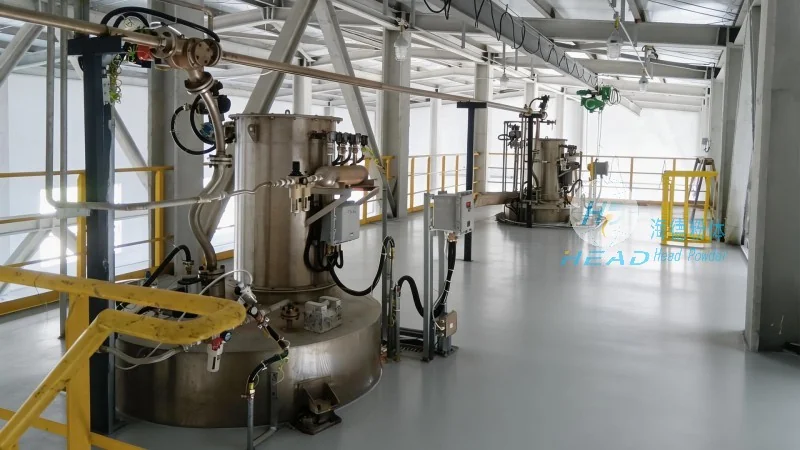
Design Principles of a Pneumatic Conveying System
The design of a sodium dithionite pneumatic conveying system is based on several key principles to ensure reliable and efficient operation. The primary goal is to maintain a consistent flow of material through the pipeline while minimizing pressure drop and energy consumption. The system typically consists of a feeding device, a conveying line, and a receiving hopper or tank. The feeding device, such as a rotary valve or a star feeder, controls the flow rate of the material into the system. The conveying line, often made of stainless steel or other corrosion-resistant materials, is designed to handle the hygroscopic nature of sodium dithionite. The air or gas used for conveying is supplied by a blower or compressor, with the pressure and flow rate adjusted based on the material's characteristics and the system's layout.
Key Components in a Pneumatic Conveying System
Several critical components are integral to the successful operation of a sodium dithionite pneumatic conveying system. The blower or compressor provides the necessary air pressure to move the material through the pipeline. The pipeline itself is typically made of stainless steel or plastic, with smooth internal surfaces to reduce friction and prevent material buildup. The feeding device, such as a rotary valve or a screw feeder, ensures a consistent and controlled flow of the powder into the system. The receiving hopper or tank is designed to collect the conveyed material and may include features like a dust filter or a vent to control pressure and moisture. Additionally, the system may include components like check valves, filters, and pressure regulators to maintain system stability and protect against backflow or pressure surges.
Advantages of Pneumatic Conveying for Sodium Dithionite
Pneumatic conveying offers several advantages over traditional bulk handling methods for sodium dithionite. One of the primary benefits is the ability to transport the material in a closed system, reducing dust exposure and improving workplace safety. This is particularly important given sodium dithionite's hygroscopic and dust-generating properties. Another advantage is the flexibility of the system, as it can be easily adapted to different plant layouts and production requirements. Pneumatic conveying also allows for the integration of other processes, such as mixing or blending, within the system, enhancing overall efficiency. Furthermore, the system can handle varying material flow rates and particle sizes, making it suitable for a wide range of applications.
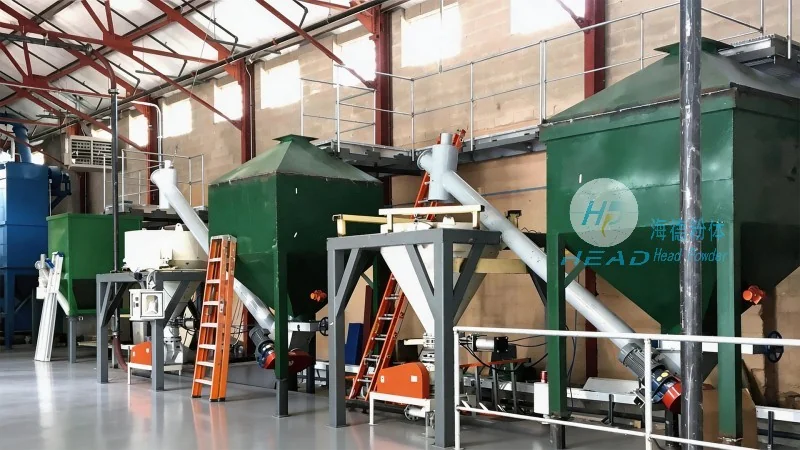
Applications of Sodium Dithionite Pneumatic Conveying
Sodium dithionite pneumatic conveying is widely used in various industries due to its efficiency and safety benefits. In the textile industry, it is used as a reducing agent in dyeing processes, and the system ensures that the material is transported to the dyeing machines without contamination or loss. In the paper industry, it is used as a bleaching agent, and the pneumatic system delivers it to the bleaching units in a controlled manner. The chemical industry also utilizes sodium dithionite for various applications, and the conveying system ensures that the material is handled safely and efficiently. Additionally, the system is used in environmental applications, such as wastewater treatment, where sodium dithionite is used as a reducing agent to remove oxygen and other contaminants.
About Shandong HeadPowder Engineering Co., Ltd.
Shandong HeadPowder Engineering Co., Ltd., commonly known as headpowder, is a leading manufacturer and supplier of pneumatic conveying systems and related equipment. Headpowder specializes in designing and manufacturing customized solutions for the handling of sodium dithionite and other hygroscopic materials. The company is headquartered in Shandong, China, and has a strong reputation for its innovative designs and high-quality products. Headpowder's team of engineers and technicians work closely with clients to understand their specific needs and provide tailored solutions that meet their operational requirements. The company's commitment to quality and customer satisfaction has made it a trusted partner in the industry, helping businesses optimize their material handling processes and improve overall efficiency.