

What is Rice Husk Powder Pneumatic Conveying? What Are the Design Principles?
Pneumatic conveying is a widely used method for transporting bulk materials, including powders and granules, through a pipeline system using air or gas as the conveying medium. This technology offers several advantages over traditional mechanical conveying methods, such as reduced equipment wear, lower maintenance costs, and the ability to handle materials that are difficult to transport by other means. In the context of rice husk powder, a byproduct of rice processing, pneumatic conveying becomes particularly relevant due to the material's fine particle size and potential for dust generation. Understanding the principles and design considerations of rice husk powder pneumatic conveying is crucial for optimizing material handling processes in industries like agriculture, food processing, and energy production.
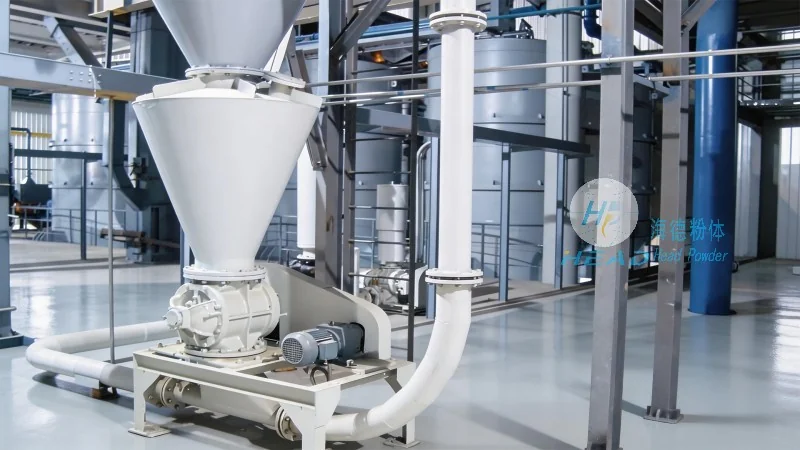
Key Components of Pneumatic Conveying Systems
A typical pneumatic conveying system consists of several key components that work together to transport the material. The primary components include a material feeder, a conveying pipeline, a fan or blower to generate the air flow, a separation or collection device, and sometimes a filter or dust collector. For rice husk powder, the material feeder is often a rotary valve or a screw feeder to ensure a consistent and controlled flow of the fine powder into the pipeline. The conveying pipeline is usually made of stainless steel or other corrosion-resistant materials to handle the abrasive nature of the powder. The fan or blower provides the necessary pressure and airflow to move the powder through the system. The separation device, such as a cyclone or a bag filter, is used to separate the powder from the air at the end of the conveying line, ensuring that the material is collected efficiently and the air is cleaned before release. Each component plays a critical role in the overall performance and efficiency of the system.

Design Principles for Rice Husk Powder Pneumatic Conveying
The design of a pneumatic conveying system for rice husk powder must consider several factors to ensure optimal performance and reliability. One of the most important considerations is the particle size and density of the material. Rice husk powder typically has a particle size ranging from 10 to 200 microns and a bulk density of around 0.2 to 0.4 g/cm³. These characteristics affect the air velocity required for conveying and the pressure drop across the system. The air velocity must be high enough to keep the powder suspended in the air stream but not so high as to cause excessive wear on the equipment or excessive energy consumption. The system design also needs to account for the material's tendency to agglomerate or form dust clouds, which can lead to blockages or reduced efficiency. To mitigate these issues, the system may include features such as in-line mixers or agitators to break up agglomerates and maintain a consistent flow. Additionally, the system should be designed to minimize the risk of dust explosions, which is a significant safety concern with combustible powders like rice husk. This can be achieved through proper grounding, explosion-proof fans, and the use of inert gases in some cases. The overall design should also consider the system's capacity, with the conveying rate determined by the required throughput and the available fan power. Proper sizing of the fan and pipeline diameter is essential to achieve the desired flow rates without excessive energy consumption or pressure losses.
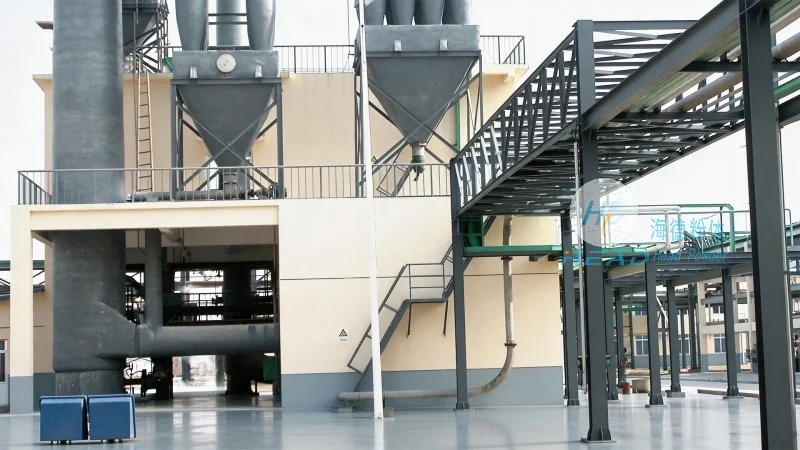
Application and Benefits in Industrial Settings
Rice husk powder pneumatic conveying is widely used in various industrial applications due to its efficiency and flexibility. In the agricultural sector, it is used to transport rice husk from storage facilities to processing plants for further use in energy production, such as biomass power generation or biofuel manufacturing. The ability to handle large volumes of material over long distances makes pneumatic conveying ideal for these applications. In the food processing industry, rice husk powder is sometimes used as a filler or additive in products like animal feed or biodegradable materials. The pneumatic conveying system ensures that the powder is transported hygienically and without contamination, which is critical for food-grade applications. The energy sector also benefits from rice husk powder pneumatic conveying, as it allows for the efficient collection and transport of biomass materials for power generation. The benefits of this technology extend beyond just material handling; it also contributes to improved safety by reducing the need for manual handling of powders and minimizing dust exposure for workers. Furthermore, the system's ability to handle fine powders without clogging or blockages makes it a reliable solution for industries that require consistent and continuous material flow. Overall, the design and implementation of a pneumatic conveying system for rice husk powder offer significant advantages in terms of efficiency, safety, and cost-effectiveness.
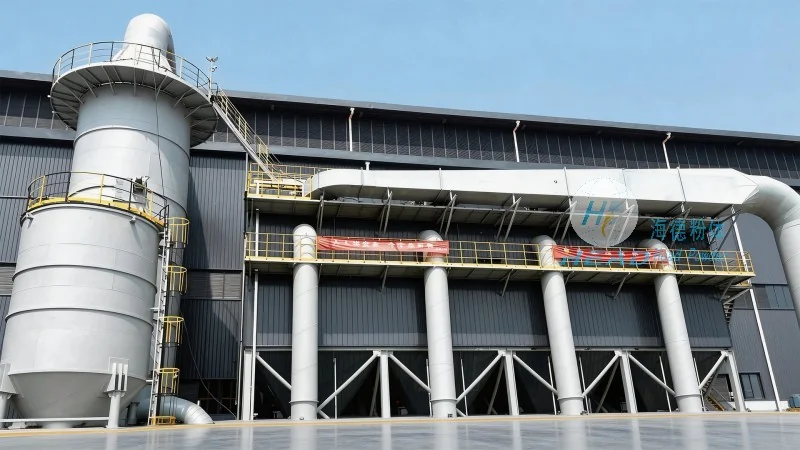
About Shandong HeadPowder Engineering Co., Ltd.
Shandong HeadPowder Engineering Co., Ltd., commonly known as HeadPowder, is a leading provider of engineering solutions for material handling systems, including pneumatic conveying technologies. With a focus on innovation and customer satisfaction, HeadPowder specializes in designing and manufacturing customized pneumatic conveying systems tailored to the specific needs of clients. The company's expertise lies in understanding the unique properties of different materials, such as rice husk powder, and developing efficient solutions that maximize performance and minimize operational costs. HeadPowder's team of engineers and technicians work closely with clients to assess their material handling challenges and provide comprehensive solutions that meet their requirements. The company's facilities are equipped with advanced design software and testing equipment to ensure that each system is optimized for the specific application. HeadPowder's commitment to quality and reliability has made it a trusted partner for industries worldwide, helping them improve their material handling processes and achieve their operational goals. With a strong presence in China, HeadPowder serves clients in various sectors, including agriculture, food processing, and energy, providing them with the tools they need to succeed in their respective industries.