

What is ABS Granular Material Pneumatic Conveying? And Its Design Principles
ABS (Acrylonitrile Butadiene Styrene) is a widely used thermoplastic polymer known for its excellent impact resistance, chemical stability, and ease of processing. When it comes to handling ABS granules in industrial settings, pneumatic conveying offers a highly efficient and flexible solution. This article explores what ABS granular material pneumatic conveying entails and delves into the core design principles that underpin effective systems.
Understanding ABS Granular Material Pneumatic Conveying
Pneumatic conveying is a method of transporting bulk materials, such as granular solids, through a pipeline using a gas stream—typically air or a combination of air and other gases. For ABS granules, this technology provides a clean, dust-free, and often faster alternative to traditional mechanical conveying methods like screw conveyors or belt conveyors. The process involves creating a pressure or vacuum differential within the pipeline to move the material from the source to the destination.
Key Components of an ABS Pneumatic Conveying System
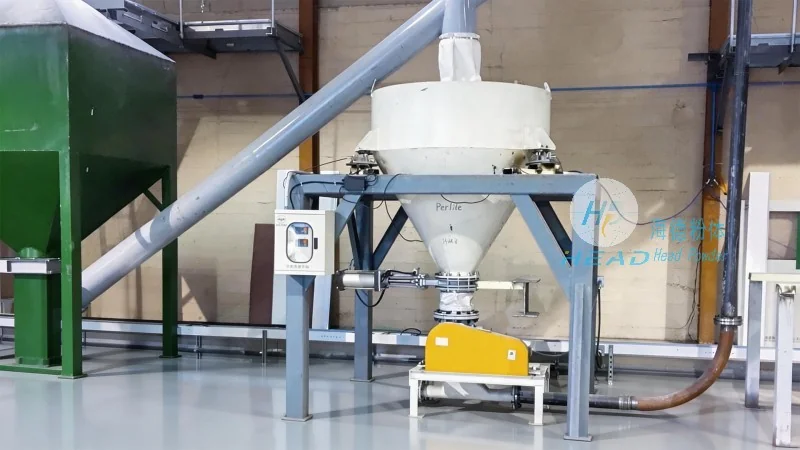
An effective ABS granular material pneumatic conveying system consists of several critical components, each playing a vital role in the overall operation. These include the material feed hopper, which holds the ABS granules and regulates the flow into the system; the conveyor line, which is the main pipeline through which the material travels; the air supply system, which generates the necessary pressure or vacuum; and the control valves and regulators that manage the flow rates and pressure levels. Additionally, the system may incorporate equipment like cyclones for separation, filters to capture fine particles, and dust collection systems to ensure environmental compliance.
Design Principles for Efficient ABS Pneumatic Conveying
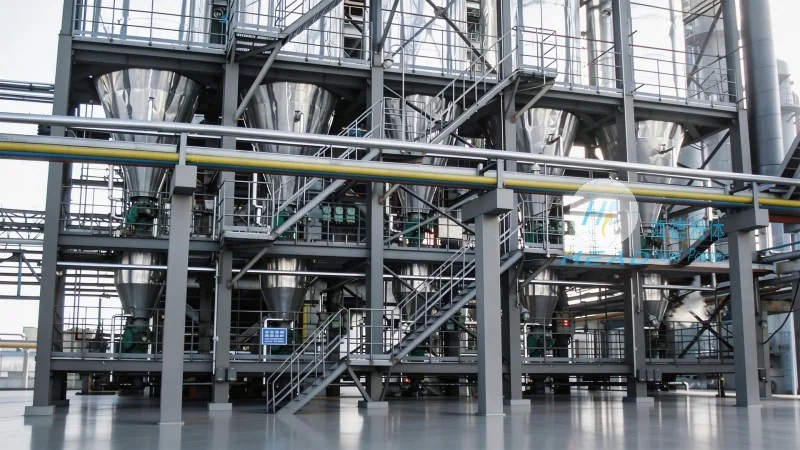
The design of an ABS granular material pneumatic conveying system requires careful consideration of several factors to ensure optimal performance, reliability, and cost-effectiveness. One of the primary design principles is selecting the appropriate conveying method—either pressure or vacuum. Pressure systems are commonly used for short to medium distances and high material flow rates, while vacuum systems are better suited for longer distances or when the material needs to be transported from multiple sources to a single destination. The choice of method depends on the specific application, material characteristics, and system layout.
Another crucial design principle is determining the optimal gas-solid ratio, which is the ratio of the volume of air to the volume of material being conveyed. This ratio directly impacts the system's efficiency, energy consumption, and material handling capacity. A higher gas-solid ratio can increase the conveying speed but may also lead to higher energy costs and potential material degradation. Conversely, a lower ratio may reduce energy consumption but could result in slower conveying speeds or increased wear on the system components. Engineers typically perform calculations and simulations to find the most efficient gas-solid ratio for a given application.
Pipeline Design and Material Compatibility
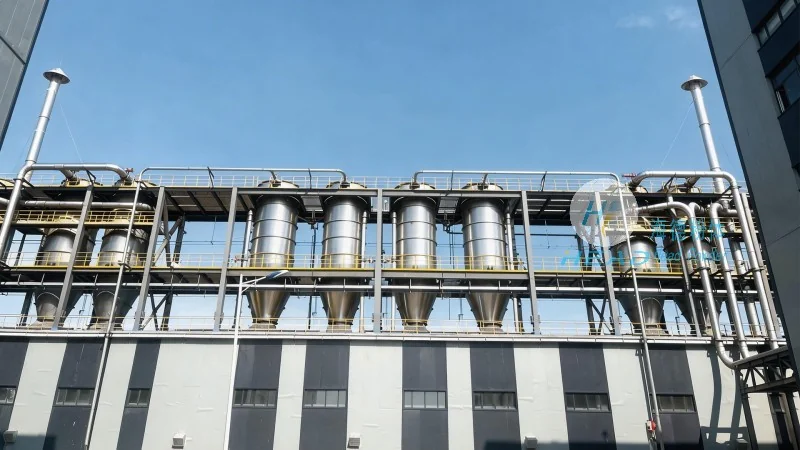
Pipeline design is another critical aspect of ABS granular material pneumatic conveying. The pipeline must be constructed from materials that are compatible with ABS and the conveying air. Common materials include stainless steel, which offers excellent corrosion resistance and durability, and certain types of plastic or coated pipes for applications where cost or specific chemical resistance is a priority. The diameter of the pipeline is also carefully selected based on the material flow rate and the desired conveying velocity. Larger diameters reduce friction losses and improve efficiency but increase material and installation costs. Smaller diameters are more cost-effective but may require higher air pressures to achieve the same conveying speed.
Equipment Selection and Maintenance
Choosing the right equipment for an ABS granular material pneumatic conveying system is essential for long-term performance and minimal downtime. The material feed hopper should be designed to prevent bridging or caking of the ABS granules, which can disrupt the flow. The air supply system must provide consistent pressure or vacuum levels, and the control valves should be capable of precise regulation to maintain stable operation. Regular maintenance is also vital to ensure the system operates efficiently. This includes cleaning the pipeline and filters to prevent buildup of ABS particles, inspecting the conveyor line for wear or damage, and replacing worn components as needed. Proper maintenance not only extends the system's lifespan but also reduces operational costs and ensures consistent material quality.
Applications and Benefits of ABS Pneumatic Conveying
ABS granular material pneumatic conveying is widely used in various industries, including manufacturing, packaging, and chemical processing. In the manufacturing sector, it is commonly employed in the production of ABS plastic products, where the material needs to be transported from storage silos to processing machines. The benefits of this method include reduced labor costs, improved safety by eliminating manual handling of granules, and increased production efficiency due to faster material transfer. Additionally, pneumatic conveying systems can be integrated with other production processes, such as mixing or molding, to create a seamless workflow. The clean and dust-free nature of the system also helps maintain a safe working environment and reduces the risk of material contamination.
Conclusion
ABS granular material pneumatic conveying is a sophisticated and efficient method for handling thermoplastic polymers like ABS. By understanding the design principles and key components of such systems, industries can optimize their material handling processes, reduce costs, and improve overall productivity. As a leading provider of engineering solutions, Shandong HeadPowder Engineering Co., Ltd. specializes in designing and implementing custom pneumatic conveying systems tailored to the specific needs of clients. With a focus on quality, reliability, and innovation, the company ensures that its systems meet the highest standards of performance and safety, helping businesses achieve their operational goals effectively.