

Pneumatic Conveying of Limestone and Lime Powders: What It Is and Its Design Principles
Understanding the pneumatic conveying of limestone and lime powders is crucial for industries that rely on efficient material handling solutions. This process involves transporting bulk powders like limestone and quicklime through a pipeline using air or gas as the conveying medium. The technology offers a flexible and effective method for moving these materials from one location to another, often with minimal maintenance and operational complexity.
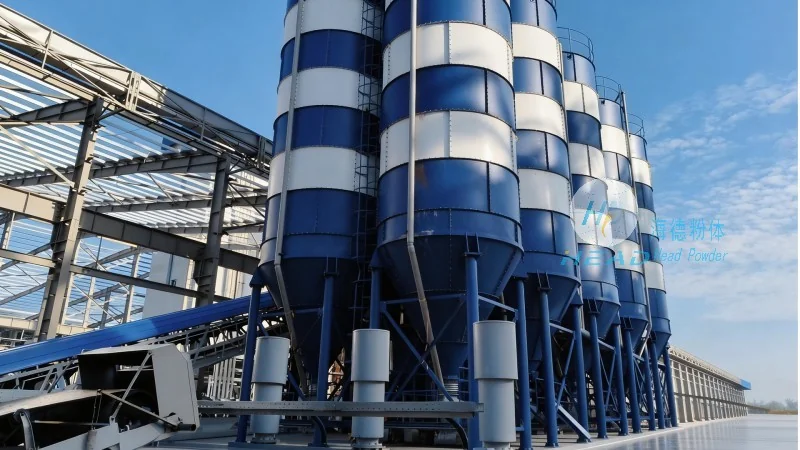
What is Pneumatic Conveying of Limestone and Lime Powders?
Pneumatic conveying, in the context of limestone and lime powders, refers to the technique of transporting these fine particles through a sealed system using pressurized air or vacuum. The process can be categorized into two main types: pressure and vacuum systems. Pressure systems use positive pressure to push the material through the pipeline, while vacuum systems use negative pressure to pull the material from the source. For limestone and lime powders, which are typically dry and free-flowing, pressure systems are commonly employed due to their efficiency in handling large volumes and long distances.
The Design Principles Behind Pneumatic Conveying Systems
The design of a pneumatic conveying system for limestone and lime powders involves several critical principles to ensure optimal performance, reliability, and efficiency. These principles include material characteristics analysis, system configuration selection, and component sizing. First, the physical and chemical properties of the limestone and lime powders, such as particle size distribution, moisture content, and bulk density, must be thoroughly evaluated. These properties directly impact the system's design, including the required air velocity, pressure drop, and equipment selection. For example, finer particles may require higher air velocities to prevent clogging and ensure smooth flow, while larger particles might need different nozzle and hopper designs to maintain consistent transport.
Second, the system configuration is determined based on the application requirements, such as the distance between the source and destination, the volume of material to be conveyed, and the desired flow rate. Common configurations include dilute phase, dense phase, and hybrid systems. Dilute phase systems operate at high air velocities, typically 20-30 m/s, and are suitable for short to medium distances and low to medium material loads. Dense phase systems, on the other hand, operate at lower air velocities (5-15 m/s) and higher material concentrations, making them ideal for long-distance transport and handling of abrasive or sensitive materials. Hybrid systems combine elements of both dilute and dense phase, offering flexibility for varying application needs.
Key Components and Their Roles in the System
A pneumatic conveying system for limestone and lime powders consists of several essential components, each playing a vital role in the overall operation. The primary components include the material feed system, the conveying line, the air supply unit, and the material discharge system. The material feed system, often a hopper or a rotary valve, ensures a consistent and controlled feed of the limestone or lime powder into the conveying line. The hopper is designed to prevent material bridging and ensure smooth flow, while the rotary valve provides a positive seal to prevent air leakage and maintain system pressure.
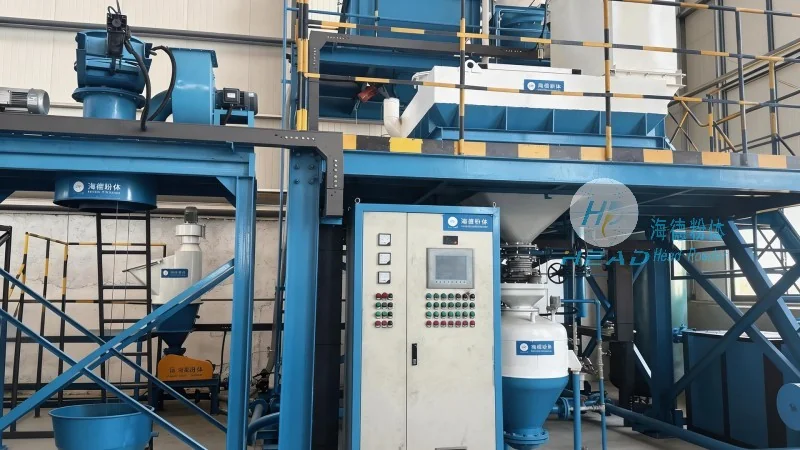
The conveying line, typically made of stainless steel or other corrosion-resistant materials, is the main pathway for the material and air mixture. The line's diameter and length are carefully selected based on the system's design principles to minimize pressure drop and ensure efficient transport. The air supply unit, which may include a blower or a compressor, generates the necessary pressure or vacuum to move the material through the pipeline. The blower's capacity and pressure rating are determined by the system's requirements, ensuring sufficient air flow to maintain the desired conveying velocity.
The material discharge system, including a receiver or a silo, collects the conveyed material at the destination. The receiver is designed to handle the material's characteristics, such as its bulk density and flowability, to prevent material buildup and ensure smooth discharge. In some cases, additional components like filters or cyclones are included to separate any entrained air from the material, improving the system's efficiency and reducing air consumption.
Advantages of Pneumatic Conveying for Limestone and Lime Powders
Implementing a pneumatic conveying system for limestone and lime powders offers several advantages over traditional material handling methods. One of the key benefits is the ability to transport materials in a sealed environment, which helps maintain product quality and prevents contamination from external factors. This is particularly important for limestone and lime powders, which are often used in industrial processes where purity and consistency are critical. Additionally, pneumatic conveying systems can handle materials with varying particle sizes and moisture contents, making them versatile for different applications.
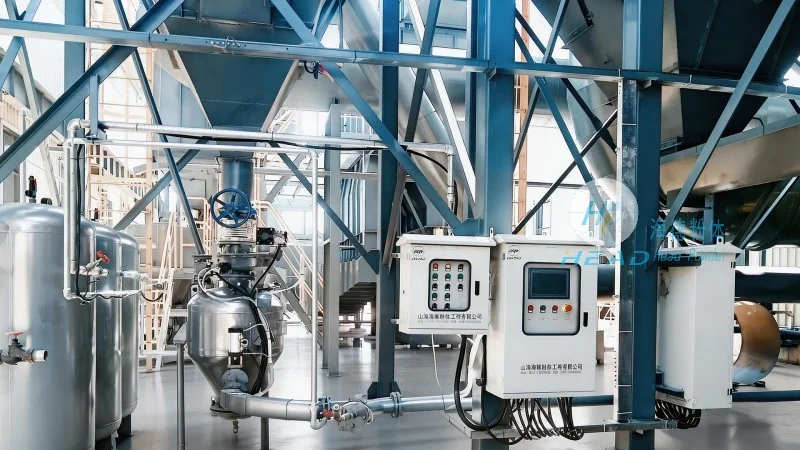
Another advantage is the reduced need for manual handling and labor, as the system automates the material transport process. This not only improves operational efficiency but also enhances workplace safety by minimizing the risk of accidents associated with manual material handling. Furthermore, pneumatic conveying systems are generally more energy-efficient compared to other methods, such as truck or conveyor belt transport, especially for long-distance or large-volume applications. The use of air as the conveying medium allows for lower energy consumption while maintaining high transport rates.
Considerations for System Design and Installation
When designing and installing a pneumatic conveying system for limestone and lime powders, several factors must be considered to ensure optimal performance and longevity. First, the system must be designed to handle the specific characteristics of the limestone or lime powder, including its abrasiveness and potential for clogging. Abrasive materials may require special materials for the conveying line and components to prevent wear and tear, while clogging-prone materials may need additional cleaning mechanisms or larger hopper designs.
Second, the system's layout and installation must consider the space constraints and operational requirements of the facility. The conveying line should be routed to minimize bends and obstacles, as excessive bends can increase pressure drop and reduce conveying efficiency. Proper maintenance and cleaning procedures must also be established to prevent material buildup and ensure the system's longevity. Regular inspections of components, such as the blower, filters, and conveying line, are essential to identify and address any issues before they lead to system failure.
Third, the system must comply with relevant safety and environmental regulations. This includes proper ventilation to remove any dust or fumes generated during operation and ensuring that the system is equipped with safety features like pressure relief valves and emergency shut-off mechanisms. Additionally, the system's design should minimize air emissions and noise levels to comply with environmental standards and maintain a safe working environment.