

What is a Cocoa Material Pneumatic Conveying System? What Are Its Design Principles?
For professionals in the food processing industry, particularly those working with cocoa products, the efficient handling of raw materials is a critical aspect of production. Cocoa material pneumatic conveying systems represent a sophisticated solution to this challenge, offering a reliable method for transporting cocoa powders, nibs, and other related materials. This article delves into the core concepts of such systems, exploring their design principles and the practical applications that make them indispensable in modern cocoa processing facilities.
About HeadPowder: A Leading Provider of Pneumatic Conveying Solutions
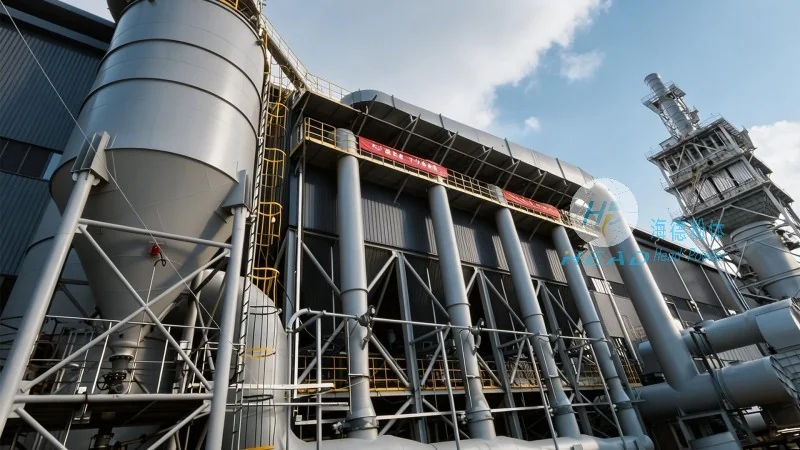
HeadPowder, a prominent name in the field, is dedicated to delivering high-quality pneumatic conveying systems tailored to the unique needs of the food industry. With roots in Shandong, China, the company has established itself as a trusted partner for businesses seeking efficient, hygienic, and cost-effective material handling solutions. The expertise and innovation of HeadPowder are reflected in their comprehensive range of systems, which are designed to meet the stringent requirements of cocoa processing and other food applications.
What Is a Pneumatic Conveying System for Cocoa Materials?
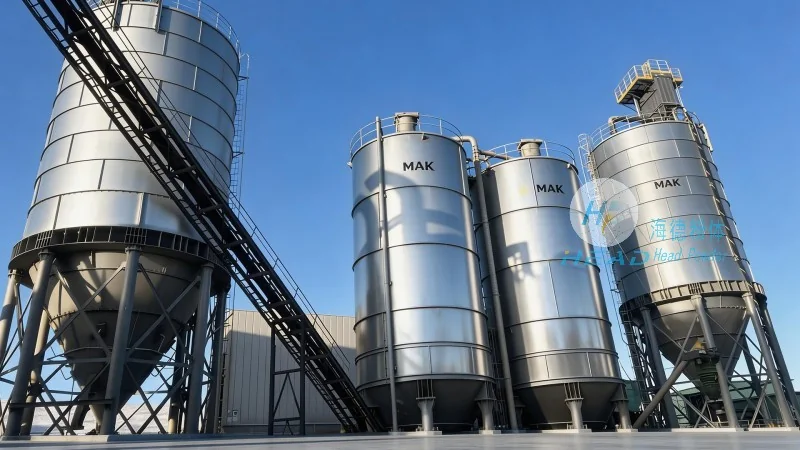
A cocoa material pneumatic conveying system utilizes air or gas to transport solid materials, such as cocoa powder or nibs, through a network of pipes. This method eliminates the need for mechanical components like belts or buckets, reducing friction and wear while ensuring a hygienic environment. The system typically consists of a material feed hopper, a blower or compressor to generate airflow, a pipeline network, and a discharge point. The design of the system is tailored to the specific characteristics of cocoa materials—such as their density, moisture content, and flowability—to optimize performance and minimize product degradation.
Key Design Principles for Efficient Cocoa Material Conveying
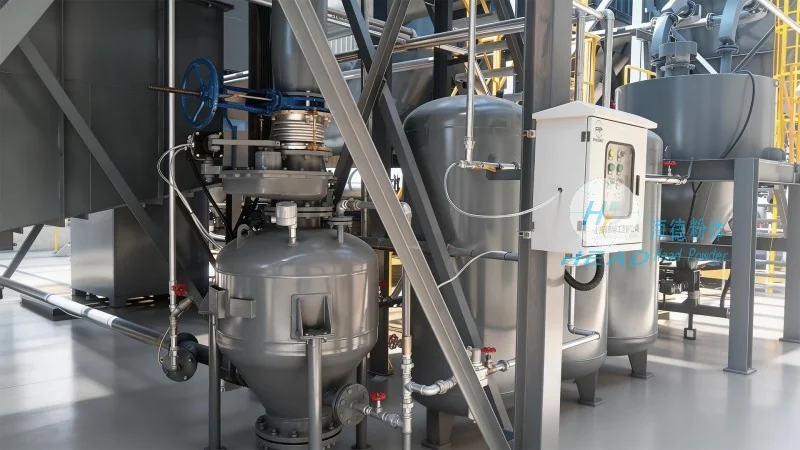
The design of a cocoa material pneumatic conveying system is governed by several fundamental principles that ensure optimal performance. First, the system must maintain a consistent airflow velocity to prevent material settling or blockages. This is achieved through the selection of appropriate blower capacity and pipeline diameter, which are calculated based on the material's bulk density and flow characteristics. Second, the system incorporates features to handle variations in material properties, such as the inclusion of a surge hopper to buffer fluctuations in feed rate and a filter system to remove dust and particles from the air stream. Third, the design prioritizes hygiene and compliance with food safety standards, using materials like stainless steel for all components that come into contact with cocoa products. These principles collectively ensure that the system operates reliably, efficiently, and safely, minimizing downtime and product loss.
How the System Works: A Step-by-Step Overview
The operation of a cocoa material pneumatic conveying system involves several key steps. Initially, cocoa materials are fed into a hopper, where they are metered and introduced into the pipeline. Simultaneously, a blower generates a high-velocity air stream that carries the material through the pipes. The system may include a series of bends, elbows, and straight sections, each designed to maintain the airflow's stability and prevent material deposition. At the discharge point, the material is separated from the air using a cyclone or filter, and the air is either recirculated or vented. The design of the system ensures that the material is transported without excessive pressure drops, which could lead to product degradation or system inefficiency. This process is continuous and automated, allowing for seamless integration into existing production lines.
Benefits of Using a Cocoa Material Pneumatic Conveying System
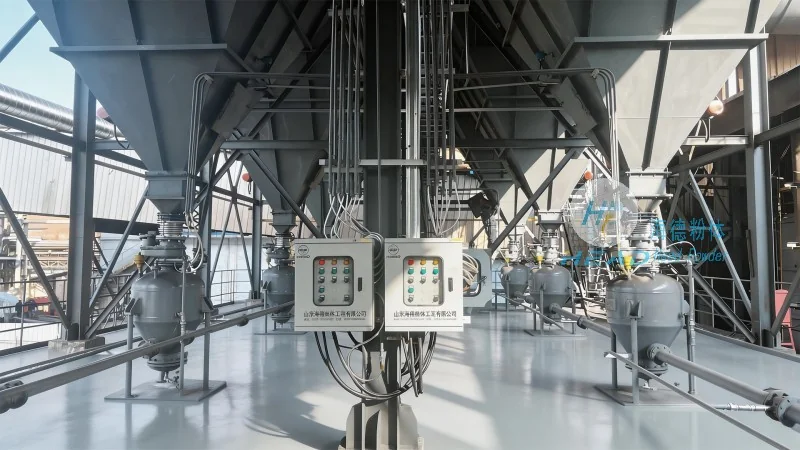
Implementing a pneumatic conveying system for cocoa materials offers numerous advantages for food processing facilities. First, it enhances operational efficiency by reducing labor costs and minimizing downtime. The automated nature of the system allows for consistent material flow, eliminating the need for manual handling and reducing the risk of product contamination. Second, the system improves product quality by minimizing exposure to external factors, such as moisture or temperature fluctuations, which can affect the flavor and texture of cocoa products. Third, it enhances safety by eliminating the need for manual handling of heavy or dusty materials, reducing the risk of workplace injuries. Additionally, the system is scalable, allowing businesses to expand their operations without significant changes to the infrastructure. These benefits make pneumatic conveying systems a preferred choice for cocoa processing facilities seeking to optimize their production processes.