

What is a Wheat Bran Material Pneumatic Conveying System? Understanding Its Design Principles
Introduction to Pneumatic Conveying Systems for Wheat Bran
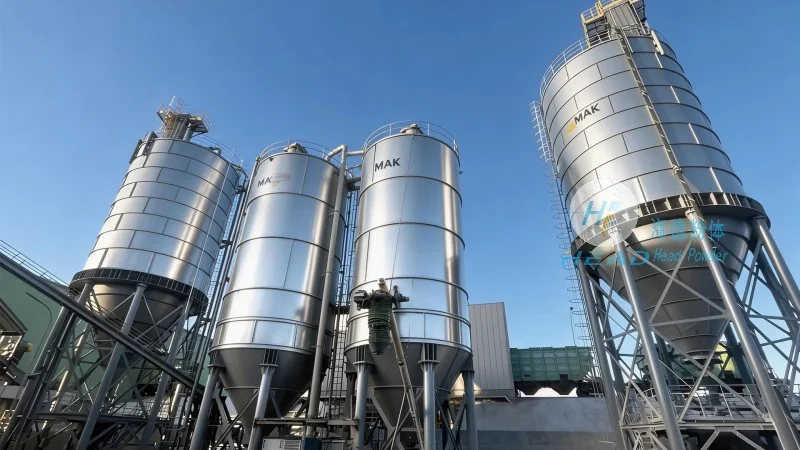
Pneumatic conveying systems have become a cornerstone in the processing and handling of bulk materials, particularly in industries dealing with agricultural byproducts like wheat bran. These systems utilize air or gas to transport solid materials through a pipeline network, offering a flexible and efficient solution for material movement. For wheat bran, a high-volume, low-density material, these systems are crucial for maintaining product quality while ensuring operational efficiency.
What is a Wheat Bran Material Pneumatic Conveying System?
A wheat bran material pneumatic conveying system is a specialized equipment setup designed to transport wheat bran from its source, such as a storage silo or processing plant, to the next stage of production or storage. The system typically consists of a blower or air compressor, a hopper for material feeding, a pipeline network, and a discharge point. The core principle involves creating a pressure differential by moving air through the system, which draws the wheat bran particles along with the air stream. This method is particularly advantageous for wheat bran due to its light weight and fine particle size, which can be challenging to handle with traditional mechanical conveyors.
Key Design Principles of the System
The design of a wheat bran pneumatic conveying system is governed by several critical principles to ensure optimal performance and reliability. First, the system must maintain a consistent air flow rate to prevent material buildup or blockages in the pipeline. This is achieved through the use of appropriate blower capacity and pressure control mechanisms. Second, the system is designed to handle the specific properties of wheat bran, including its low bulk density and potential for static electricity. To mitigate static, grounding and anti-static materials are often incorporated into the system's components. Third, the system's layout considers the need for minimal material degradation, as wheat bran is a valuable byproduct used in animal feed and other applications. This involves using smooth, non-abrasive pipe materials and avoiding high-velocity air streams that could damage the bran particles.
Components and Their Functions
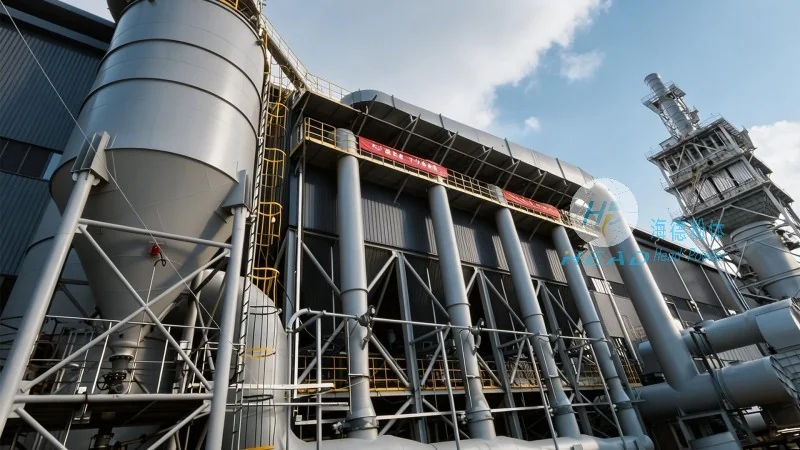
Several key components make up a wheat bran pneumatic conveying system, each playing a vital role in the overall operation. The blower or air compressor is the primary power source, generating the necessary air pressure to move the material. It is typically selected based on the system's required air volume and pressure, ensuring it can handle the expected material flow rates. The hopper or feeder is responsible for feeding the wheat bran into the system, often equipped with a rotary valve or screw feeder to control the material flow rate and prevent overloading. The pipeline network connects the hopper to the discharge point and may include bends, elbows, and straight sections, all designed to maintain the air flow and prevent blockages. The discharge point, such as a silo or processing unit, is where the wheat bran is released from the system, and it may include a filter or separator to remove any excess air before the material is deposited.
Application and Benefits in the Industry
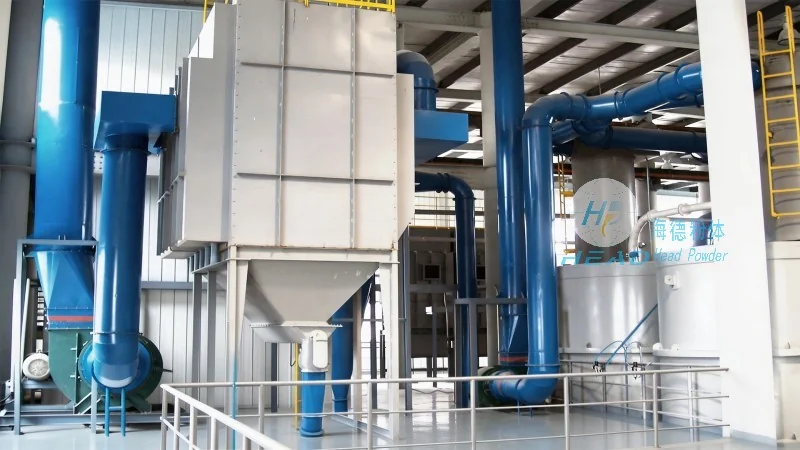
Wheat bran pneumatic conveying systems are widely used in the agricultural and food processing industries, particularly in the production of animal feed and nutritional supplements. The primary benefit of these systems is their ability to transport wheat bran efficiently over long distances without the need for mechanical components that could cause contamination or damage to the product. This ensures that the wheat bran maintains its nutritional value and quality, which is critical for its use in animal feed. Additionally, the system's flexibility allows for easy integration into existing production lines, reducing the need for major infrastructure changes. The system also offers cost savings by minimizing material handling time and labor, as well as reducing the risk of material spillage or loss.
About Shandong HeadPowder Engineering Co., Ltd.
Shandong HeadPowder Engineering Co., Ltd. is a leading manufacturer and supplier of pneumatic conveying systems, specializing in solutions tailored to the needs of the agricultural and food processing industries. With a strong focus on quality and innovation, the company has developed a range of systems designed to handle various bulk materials, including wheat bran. HeadPowder's expertise lies in understanding the unique properties of different materials and designing systems that optimize performance, reliability, and cost-effectiveness. The company's facilities are located in Shandong, China, where it employs a team of experienced engineers and technicians dedicated to providing high-quality products and services to its clients worldwide.