

What is the Pneumatic Conveying Equipment for Heptahydrate Magnesium Sulfate? Exploring Its Design P
Heptahydrate magnesium sulfate, commonly known as Epsom salt, is a widely used chemical compound in various industrial and pharmaceutical applications. The efficient and safe transportation of this material from one processing stage to another is crucial for maintaining production efficiency and product quality. Pneumatic conveying equipment has emerged as a preferred solution for handling heptahydrate magnesium sulfate due to its ability to transport dry powders or granules in a closed system, minimizing dust exposure and ensuring consistent material flow.
Introduction to Pneumatic Conveying Systems for Heptahydrate Magnesium Sulfate
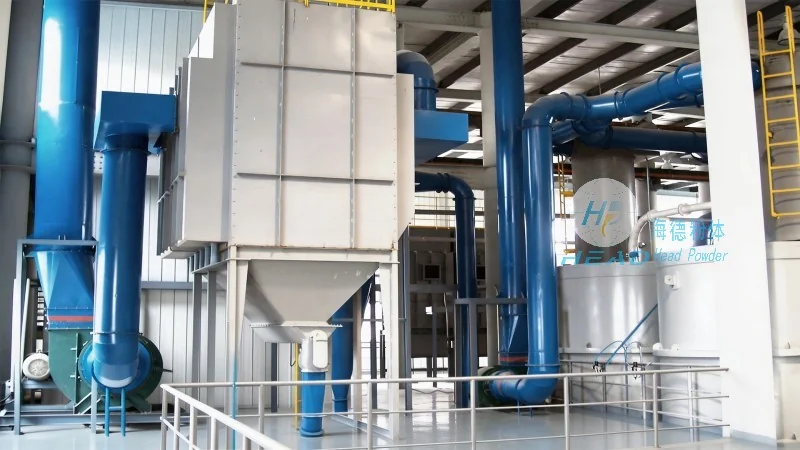
Pneumatic conveying systems are designed to transport bulk materials like heptahydrate magnesium sulfate using air or other gases as the conveying medium. These systems typically consist of a hopper, a conveying line, a receiver, and a control system. The material is fed into the hopper, where it is then drawn into the conveying line by the action of the air flow. The air flow, generated by a blower or compressor, creates a pressure differential that propels the material through the system. This method is particularly advantageous for heptahydrate magnesium sulfate because it is a fine powder that can be easily suspended in air and transported over relatively long distances without significant degradation.
Design Principles of Pneumatic Conveying Equipment
The design of pneumatic conveying equipment for heptahydrate magnesium sulfate must consider several key factors to ensure optimal performance. First, the system must be capable of handling the specific properties of the material, such as its particle size, density, and flowability. The conveying line diameter and material of construction are critical choices, as they directly impact the system's capacity and resistance to corrosion or abrasion. For heptahydrate magnesium sulfate, which is hygroscopic and can be prone to caking, the equipment must incorporate features that prevent material buildup and maintain consistent flow. This often involves the use of special hopper designs, such as conical hoppers with air knives or vibrators, to prevent material bridging and ensure smooth feeding.
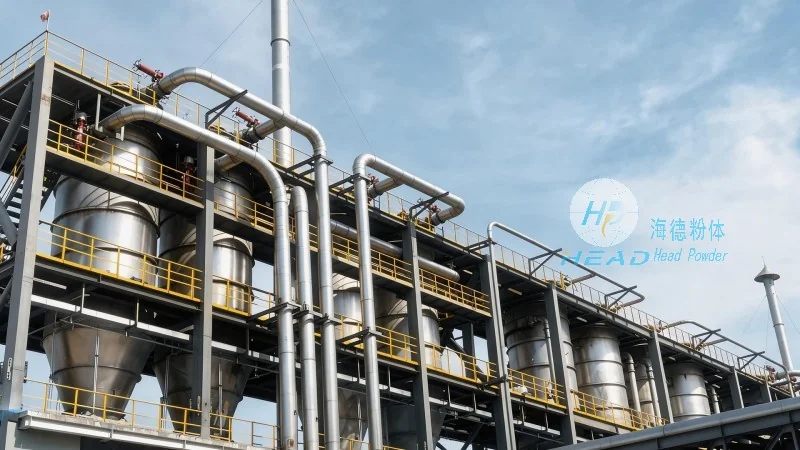
Second, the air flow rate and pressure are carefully engineered to match the material's characteristics. The system must generate sufficient air velocity to keep the particles suspended and prevent them from settling in the conveying line. This requires precise control of the blower or compressor, which can be adjusted based on the material's flow rate and the system's length. The design also considers the energy efficiency of the system, as pneumatic conveying can be more energy-intensive than other methods. Advanced designs may incorporate variable frequency drives (VFDs) to optimize air flow and reduce energy consumption while maintaining the required conveying capacity.
Key Components and Their Function in Pneumatic Conveying Equipment
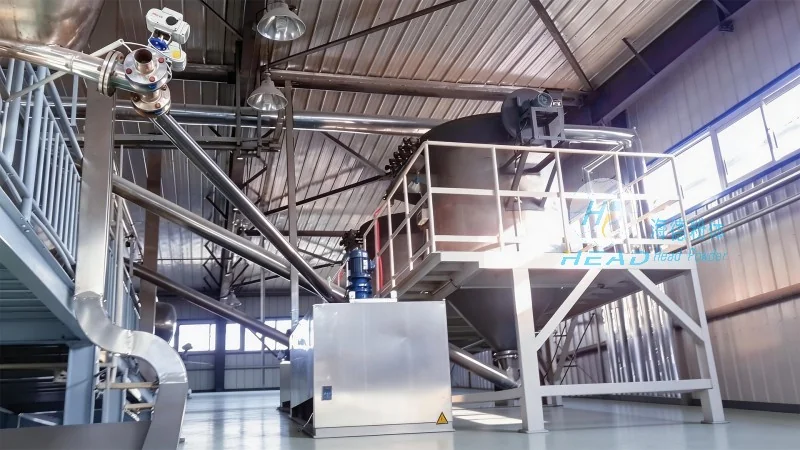
Several key components work together to ensure the effective operation of pneumatic conveying equipment for heptahydrate magnesium sulfate. The hopper is the primary feeding device, where the material is stored and fed into the conveying line. It is typically designed with a conical or wedge-shaped bottom to facilitate material discharge and prevent caking. The hopper may also include a rotary valve or a star feeder to control the flow rate of the material, ensuring a consistent and controlled feed into the system.
The conveying line is the main channel through which the material and air travel. It is usually made of stainless steel or other corrosion-resistant materials to withstand the chemical properties of heptahydrate magnesium sulfate. The line diameter is chosen based on the material's particle size and the desired conveying velocity. The line may include bends, elbows, or expansion joints to accommodate changes in direction or elevation, ensuring minimal pressure loss and material degradation.
The receiver is the final component of the system, where the material is deposited after being conveyed. It is designed to collect the material efficiently and prevent air leakage. The receiver may include a dust filter or a cyclone separator to remove any residual particles from the air before it is discharged to the atmosphere. This helps maintain environmental compliance and prevents dust contamination in the surrounding area.
About HeadPowder Engineering Co., Ltd.
HeadPowder Engineering Co., Ltd., a leading manufacturer based in Shandong, China, specializes in the design and production of advanced pneumatic conveying equipment for various industrial applications. With years of experience in the field, HeadPowder has developed a range of solutions tailored to the specific needs of heptahydrate magnesium sulfate and other similar materials. The company's engineers and technicians work closely with clients to understand their production requirements and provide customized equipment that meets their operational and safety standards. HeadPowder's commitment to quality and innovation has made it a trusted partner in the chemical and pharmaceutical industries, delivering reliable and efficient conveying systems that enhance production efficiency and product quality.