

What is a Continuous Material Pneumatic Conveying System? What Are Its Design Principles?
Continuous material pneumatic conveying systems are an essential component in modern industrial processes, offering efficient and flexible solutions for transporting bulk materials over short to medium distances. These systems utilize air or other gases to move powders, granules, and other particulate materials from one location to another, eliminating the need for traditional mechanical conveyors like belts or screws. The core of such a system lies in its ability to maintain a continuous flow of material, which is crucial for maintaining production efficiency and reducing downtime. Developed and manufactured by Shandong HeadPowder Engineering Co., Ltd., a leading provider of material handling solutions based in Shandong, China, these systems are designed to meet the specific needs of various industries.
Understanding the Basics of Continuous Material Pneumatic Conveying
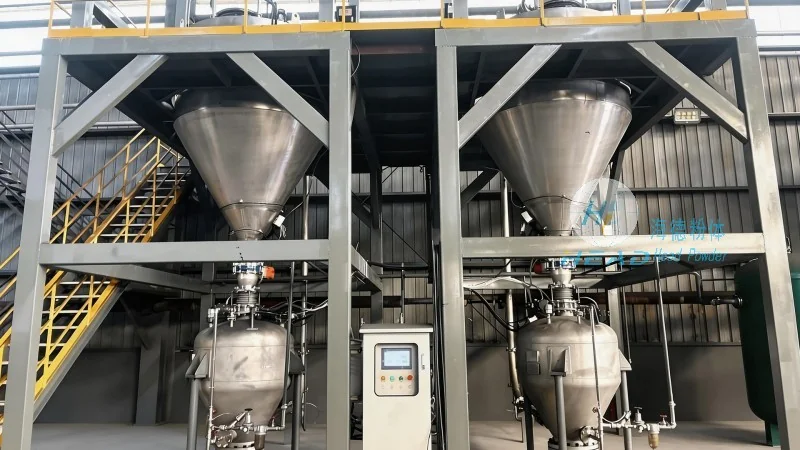
A continuous material pneumatic conveying system typically consists of several key components, including a material feed hopper, a conveying line (often with bends and straight sections), a receiver or discharge hopper, and a blower or air compressor that provides the necessary air pressure. The material is fed into the system from the hopper, and as air is introduced, it creates a flow that carries the material through the pipeline. This process is continuous, meaning that material is constantly being fed and conveyed, unlike batch systems that operate in cycles.
The Design Principles Behind Continuous Pneumatic Conveying
The design of a continuous material pneumatic conveying system is based on several fundamental principles to ensure optimal performance and reliability. First, the system must maintain a consistent air velocity throughout the conveying line to prevent material settling or blockages. This is achieved by carefully calculating the air volume and pressure required based on the material's properties, such as particle size, density, and flowability. Second, the system must be designed to handle the specific characteristics of the material being conveyed, including its abrasiveness and potential for dust generation. This involves selecting appropriate materials for the conveying line, such as stainless steel or plastic, to prevent wear and corrosion.
Key Components and Their Functions in a Continuous System
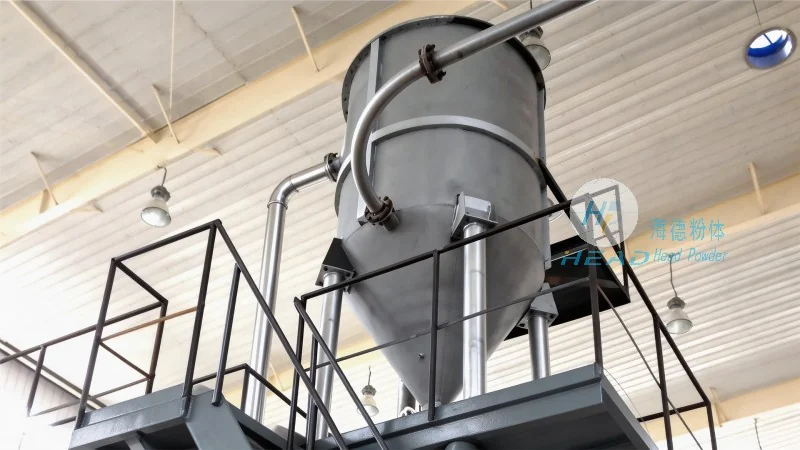
Each component of a continuous material pneumatic conveying system plays a critical role in its overall operation. The material feed hopper is responsible for storing and feeding the material into the system at a controlled rate. It often includes a feeder, such as a rotary valve or a screw feeder, to regulate the flow of material. The conveying line, which may include bends, elbows, and straight sections, is designed to guide the material and air mixture through the system. The receiver or discharge hopper collects the material at the end of the line and may include a discharge valve to control the release of material. Finally, the blower or air compressor provides the necessary pressure and volume of air to move the material through the system. The choice of blower type, such as a positive displacement blower or a centrifugal blower, depends on the system's requirements and the material's properties.
Advantages of Continuous Material Pneumatic Conveying
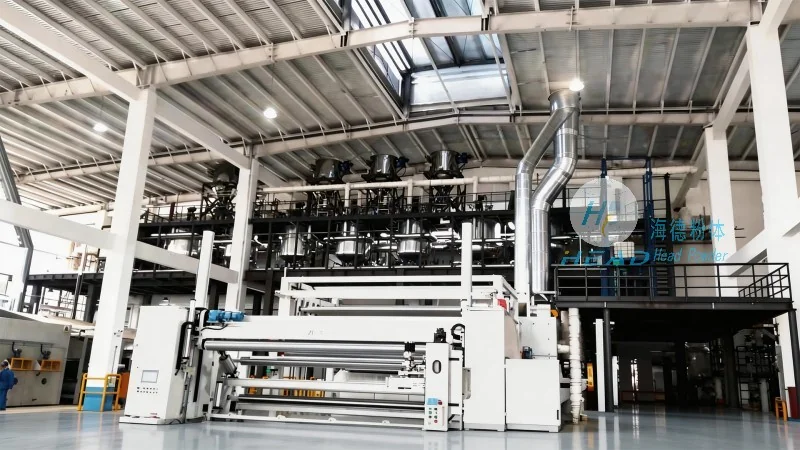
Continuous material pneumatic conveying systems offer several advantages over traditional mechanical conveyors. One of the primary benefits is the ability to transport materials over longer distances with fewer components, reducing the need for multiple transfer points. This can lead to cost savings in terms of installation and maintenance. Additionally, these systems are less prone to material buildup and blockages, as the continuous flow helps to prevent the accumulation of material in the pipeline. Another advantage is the ability to handle a wide range of materials, including those that are abrasive, corrosive, or sensitive to moisture. This makes them suitable for various industries, such as food processing, pharmaceuticals, and chemical manufacturing.
Applications and Industries Using Continuous Pneumatic Conveying
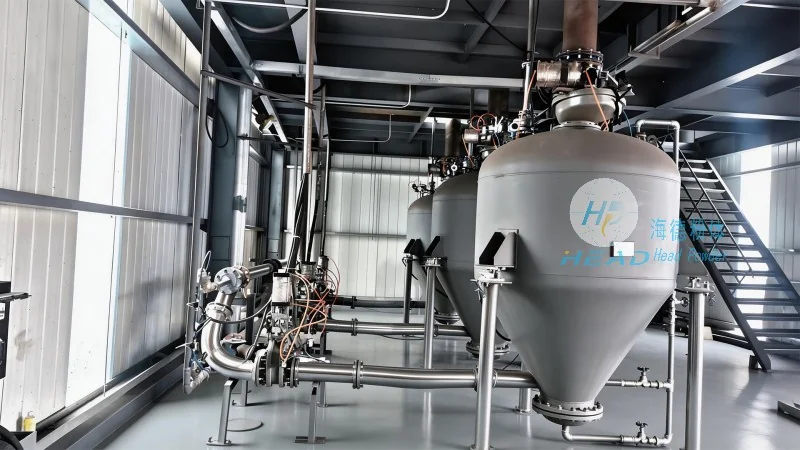
Continuous material pneumatic conveying systems are widely used in various industries due to their versatility and efficiency. In the food industry, they are used to transport ingredients like flour, sugar, and spices from storage to processing equipment. In the pharmaceutical industry, they are used to convey active pharmaceutical ingredients (APIs) and other powders, ensuring a clean and hygienic process. In the chemical industry, they are used to transport raw materials and finished products, often in hazardous environments. Other applications include the transportation of minerals, plastics, and agricultural products. The ability to handle a wide range of materials and the flexibility of the system make it a popular choice for many industrial applications.
Conclusion: The Importance of Proper Design and Maintenance
Continuous material pneumatic conveying systems are a critical part of modern industrial operations, providing efficient and reliable solutions for material transportation. The design of these systems must be carefully considered to ensure optimal performance and longevity. Factors such as material properties, conveying distance, and system layout must be taken into account to select the appropriate components and operating parameters. Regular maintenance is also essential to ensure the system operates at peak efficiency and to prevent issues such as blockages or wear. By understanding the design principles and components of a continuous material pneumatic conveying system, industries can improve their production processes and reduce costs.