

Working Principle and Characteristics of Pneumatic Conveying for Metal Powders
HeadPowder, a leading provider in the field, specializes in the technology of pneumatic conveying for metal powders. This method involves transporting fine metal powders through a pipeline using compressed air or other gas streams. The process is fundamental to industries that rely on precise and efficient material handling for metal powders, such as aerospace, electronics, and automotive manufacturing.
Working Principle of Pneumatic Conveying for Metal Powders
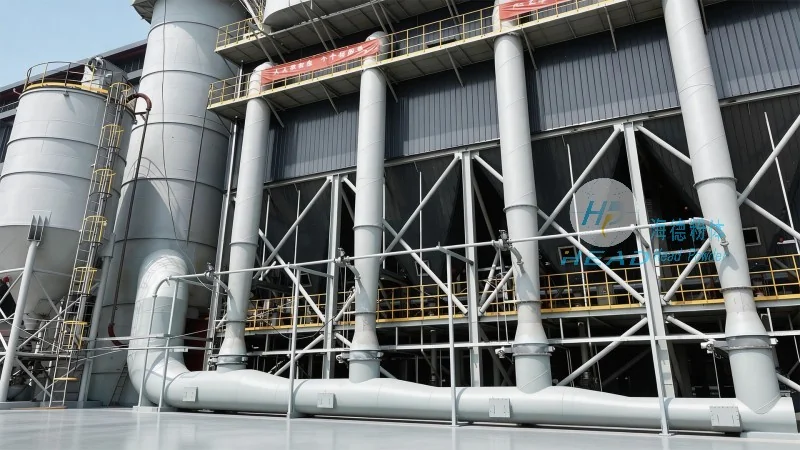
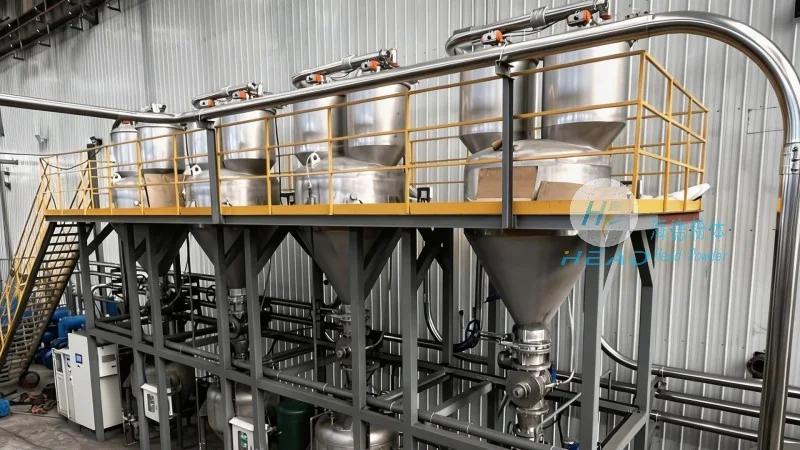
The core mechanism of pneumatic conveying for metal powders is based on the interaction between the powder particles and the gas flow. In this system, metal powders are fed into a hopper or feeder, where they are then introduced into a pipeline. Compressed air or another gas is then introduced at a specific pressure and velocity, creating a flow that lifts and transports the powder particles through the pipeline. The design of the system, including the type of gas, pressure, and pipeline configuration, is critical to ensuring efficient and reliable transport. The principle relies on the balance between the gas velocity and the powder's particle size and density, which determines whether the powder will be carried in a dense or dilute phase. Dense phase conveying is often used for fine powders to minimize segregation and degradation, while dilute phase is suitable for larger particles or longer distances. The system typically includes components like feeders, hoppers, pipelines, and receivers, all working in tandem to achieve the desired transport. HeadPowder's expertise lies in optimizing these components to meet the specific requirements of metal powder handling, ensuring minimal product degradation and maximum efficiency.
Key Characteristics of Pneumatic Conveying for Metal Powders
Several distinct characteristics define the effectiveness of pneumatic conveying systems for metal powders. Firstly, the system offers a high degree of flexibility in terms of layout and installation. Unlike traditional mechanical conveying systems, pneumatic conveying can be easily adapted to complex or irregular plant layouts, making it suitable for facilities with limited space or non-linear transport paths. Secondly, it provides excellent control over the material flow, allowing for precise regulation of the powder's velocity and pressure. This control is crucial for preventing issues like clogging, blockages, or uneven distribution, which can occur in other types of conveying systems. Thirdly, the process is highly effective in maintaining the quality of the metal powders. By minimizing contact with external elements and reducing mechanical stress during transport, the system helps preserve the powder's properties, such as particle size distribution and chemical composition. This is particularly important for high-value metal powders used in precision applications. Additionally, pneumatic conveying systems are generally low in maintenance compared to mechanical alternatives. The absence of moving parts in the pipeline reduces wear and tear, leading to lower operational costs and longer service life. HeadPowder's systems are designed with these characteristics in mind, ensuring that clients receive reliable, efficient, and cost-effective solutions tailored to their metal powder handling needs.
Applications and Benefits in Metal Powder Handling
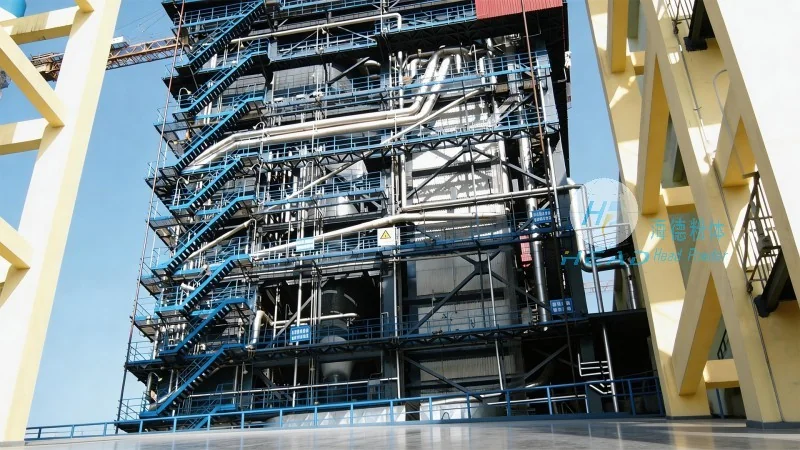
The advantages of pneumatic conveying for metal powders are evident in various industrial applications. In the aerospace industry, for example, fine metal powders are used in the production of lightweight components and composites. Pneumatic conveying ensures that these powders are transported safely and efficiently to the manufacturing lines, maintaining their quality and preventing contamination. Similarly, in the electronics sector, metal powders are used in the production of circuit boards and other components. The precision and control offered by pneumatic conveying systems are essential for achieving the high standards required in electronics manufacturing. The automotive industry also benefits from this technology, as metal powders are used in the production of catalytic converters and other parts. The ability to handle these powders with minimal degradation and maximum efficiency supports the industry's demand for quality and reliability. For HeadPowder, these applications highlight the importance of their expertise in designing and implementing pneumatic conveying systems that meet the stringent requirements of modern metal powder handling. The company's focus on quality, efficiency, and customer satisfaction ensures that clients receive solutions that enhance their operational performance and product quality.