

Working Principle and Characteristics of Pneumatic Conveying for Glass Slag
For industrial applications involving glass manufacturing, the efficient handling of glass slag is crucial. Pneumatic conveying systems offer a reliable solution to transport glass slag from one location to another, ensuring safety and operational efficiency. This article explores the working principle and key characteristics of pneumatic conveying systems specifically designed for glass slag, highlighting the technology's advantages and practical applications.
About HeadPowder Engineering
HeadPowder, the professional provider of pneumatic conveying solutions, is dedicated to delivering high-quality equipment and services for various industrial materials. As a leading company in the field, HeadPowder specializes in customizing and manufacturing pneumatic conveying systems tailored to the unique needs of clients. With a strong commitment to innovation and quality, HeadPowder has established itself as a trusted partner in the industry, serving clients across China and beyond.
The Working Principle of Pneumatic Conveying for Glass Slag
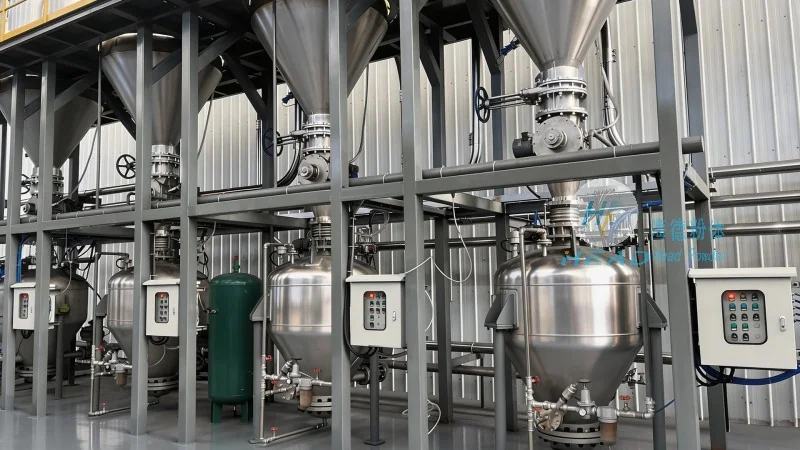
Pneumatic conveying for glass slag operates on the fundamental principle of using air or gas to transport solid materials through a pipeline. The system typically consists of a hopper, a conveyor line, and a receiver. The process begins with the glass slag being loaded into the hopper, where it is then fed into the conveyor line under the pressure of compressed air. The air flow creates a low-pressure zone in the pipeline, which draws the glass slag particles along with the air stream. This method, known as the "air-assisted" or "pneumatic" transport, allows for the continuous and controlled movement of glass slag from the source to the destination.
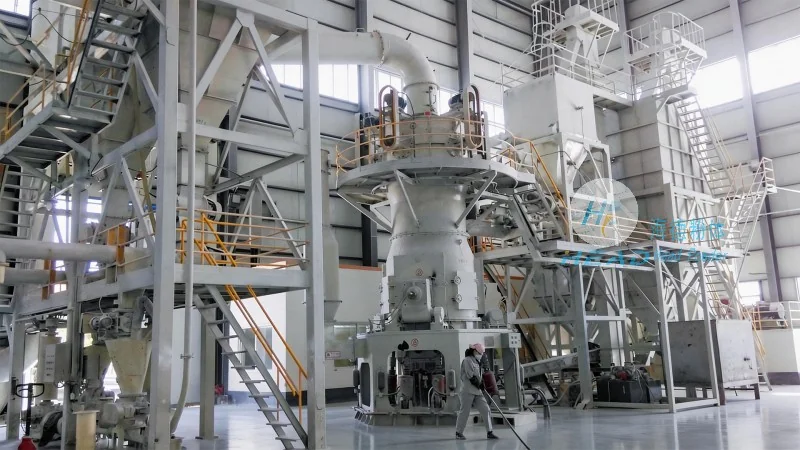
There are two primary types of pneumatic conveying systems used for glass slag: the suction (or vacuum) system and the pressure system. The suction system uses a vacuum pump to create a negative pressure in the pipeline, drawing the glass slag from the hopper. This method is ideal for short to medium distances and is commonly used in applications where the material is to be transported from a lower elevation to a higher one. The pressure system, on the other hand, employs a positive pressure from a blower or compressor to push the glass slag through the pipeline. This system is suitable for longer distances and can handle more abrasive materials, making it a popular choice for glass slag transportation in industrial settings.
Key Characteristics of Pneumatic Conveying Systems for Glass Slag
When considering the application of pneumatic conveying for glass slag, several key characteristics stand out, making it a preferred choice over traditional methods like belt conveyors or trucks. Firstly, the system offers a high degree of flexibility in terms of layout and installation. Unlike fixed conveyors, pneumatic systems can be easily reconfigured to accommodate changes in the production process or facility layout, providing adaptability that is essential in dynamic industrial environments.
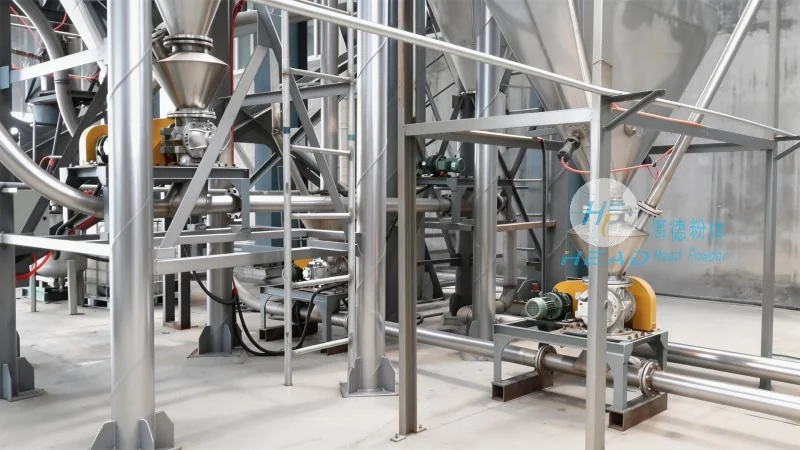
Secondly, pneumatic conveying systems are highly efficient in terms of energy consumption and operational costs. By using compressed air as the primary transport medium, the system minimizes the need for mechanical components such as belts, chains, or rollers, which are prone to wear and tear. This reduces maintenance requirements and lowers long-term operational expenses. Additionally, the system can handle a wide range of glass slag sizes and shapes, from fine powders to larger fragments, without the risk of clogging or blockages that are common in other transport methods.
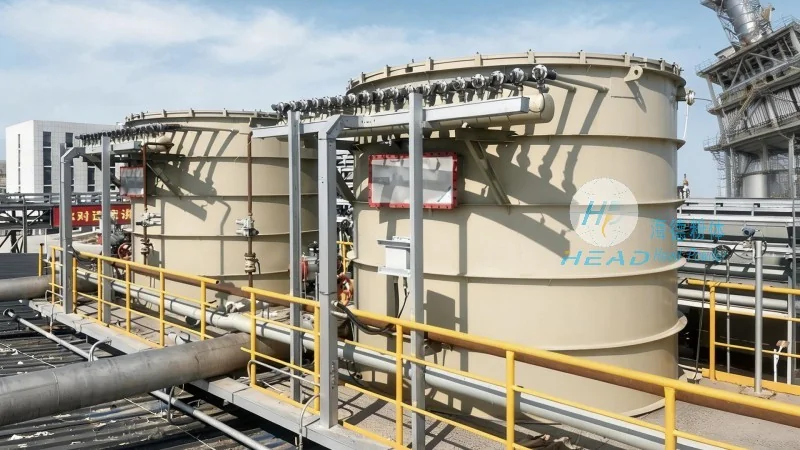
Thirdly, the environmental benefits of pneumatic conveying for glass slag are significant. The enclosed pipeline system prevents dust and particulate matter from being released into the air, reducing the risk of respiratory issues for workers and minimizing the impact on the surrounding environment. This makes the system compliant with environmental regulations and promotes a safer working environment. Furthermore, the system can be integrated with dust collection and filtration systems, ensuring that any airborne particles are captured and disposed of properly, enhancing overall environmental sustainability.
Lastly, the reliability and durability of pneumatic conveying systems for glass slag are notable. The components, such as the hopper, pipeline, and receiver, are typically made from corrosion-resistant materials like stainless steel or special alloys, which are designed to withstand the abrasive nature of glass slag. This ensures long-term performance and reduces the need for frequent replacements or repairs. The system's ability to operate continuously without interruption also contributes to its reliability, making it a dependable solution for consistent glass slag transportation needs.