

Working Principle and Features of Environmental Friendly Pneumatic Conveying Equipment
Environmental friendly pneumatic conveying equipment has become an essential solution in various industrial sectors, offering efficient and sustainable material handling methods. This article explores the working principle and key features of such equipment, highlighting its advantages and practical applications.
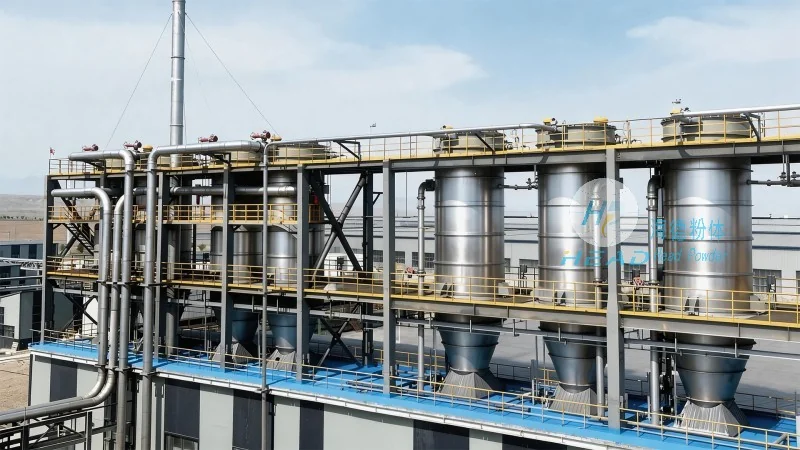
Working Principle of Environmental Friendly Pneumatic Conveying Equipment
The core of environmental friendly pneumatic conveying systems lies in the use of air as the primary medium to transport bulk materials. Unlike traditional mechanical conveying methods, which often rely on belts, chains, or screws, pneumatic systems utilize compressed air to create a flow that moves particles through a pipeline. The process typically involves several stages: material feeding, air injection, and discharge. In the feeding stage, bulk materials are introduced into the conveying line, often with the assistance of a hopper or feeder to ensure a consistent flow. The air injection stage is where compressed air is introduced into the pipeline, creating a pressure differential that propels the material forward. This method allows for the transportation of materials over long distances and through complex layouts without the need for multiple transfer points.
There are two main types of pneumatic conveying systems based on the air flow direction: positive pressure and negative pressure. Positive pressure systems use compressed air to push the material through the pipeline, making them suitable for applications requiring high pressure and long-distance transport. Negative pressure systems, on the other hand, use suction to draw material into the pipeline, which is ideal for handling dust or fine powders where containment is critical. The choice between these systems depends on the material properties, such as particle size, moisture content, and abrasiveness, as well as the specific operational requirements of the facility.
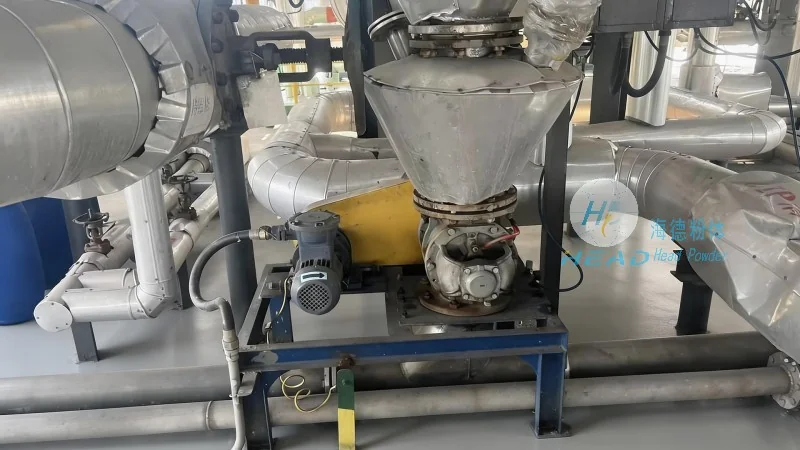
Key Features of Environmental Friendly Pneumatic Conveying Equipment
Environmental friendly pneumatic conveying equipment is designed with several key features that enhance its performance and sustainability. One of the most significant features is its ability to minimize environmental impact. By eliminating the need for mechanical components like belts or chains, these systems reduce the risk of material spillage and contamination, which is particularly important for handling hazardous or sensitive materials. Additionally, the use of enclosed pipelines prevents dust emissions, contributing to better air quality and compliance with environmental regulations.
Efficiency is another critical feature of these systems. Pneumatic conveying can achieve high material throughput with minimal energy consumption compared to traditional methods. The ability to transport materials in a continuous flow without the need for intermediate storage reduces downtime and improves overall operational efficiency. This efficiency is further enhanced by the ability to integrate with existing industrial processes, allowing for seamless material transfer between different stages of production.
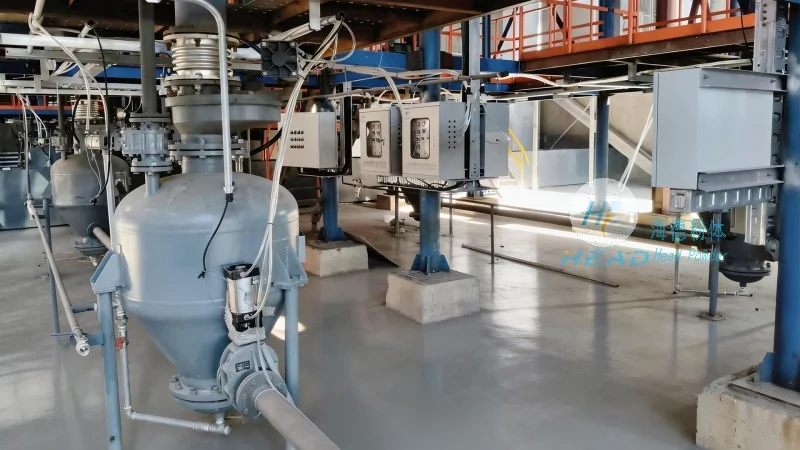
Another notable feature is the versatility of environmental friendly pneumatic conveying equipment. It can handle a wide range of materials, from fine powders to bulk solids, and can be adapted to various industrial applications, including food processing, pharmaceuticals, chemicals, and mining. The modular design of these systems allows for easy customization and expansion, making them suitable for both small-scale and large-scale operations. This adaptability ensures that the equipment can meet the specific needs of different industries while maintaining its environmental benefits.
Applications and Benefits in Industrial Settings
The applications of environmental friendly pneumatic conveying equipment are diverse and widespread across various industries. In the food and pharmaceutical industries, where hygiene and contamination control are paramount, these systems are used to transport raw materials and finished products without the risk of cross-contamination. The enclosed design and clean air handling capabilities make them ideal for these sensitive applications. In the chemical industry, pneumatic conveying is used to transport powders and granules, ensuring safe handling of potentially hazardous materials. The ability to control the flow and pressure of the air helps prevent accidents and maintains a safe working environment.
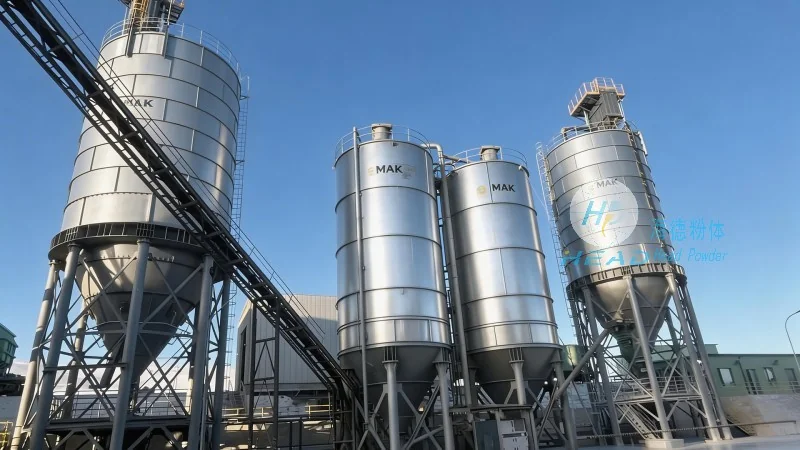
In the mining and construction sectors, these systems are used to transport bulk materials such as coal, ore, and sand over long distances with minimal environmental impact. The efficiency of pneumatic conveying reduces the need for heavy machinery and trucks, which can cause significant wear and tear on the environment. This not only improves operational efficiency but also contributes to a more sustainable approach to material handling in these industries.
Conclusion
Environmental friendly pneumatic conveying equipment offers a sustainable and efficient solution for material handling in various industrial applications. By leveraging the principles of air pressure and flow, these systems provide a reliable method for transporting bulk materials while minimizing environmental impact. The key features, including enclosed pipelines, high efficiency, and versatility, make them a preferred choice for industries that prioritize sustainability and operational performance. As the demand for eco-friendly solutions continues to grow, the adoption of such equipment will likely increase, contributing to a more sustainable industrial landscape.