

Working Principle and Features of Dry Ash Pneumatic Conveying Equipment
HeadPowder, a leading provider of industrial conveying solutions, specializes in the design and manufacturing of high-efficiency dry ash material pneumatic conveying equipment. Based in Shandong, China, the company has established itself as a trusted partner for clients seeking reliable and advanced systems for handling dry bulk materials, particularly in the power generation and industrial sectors.
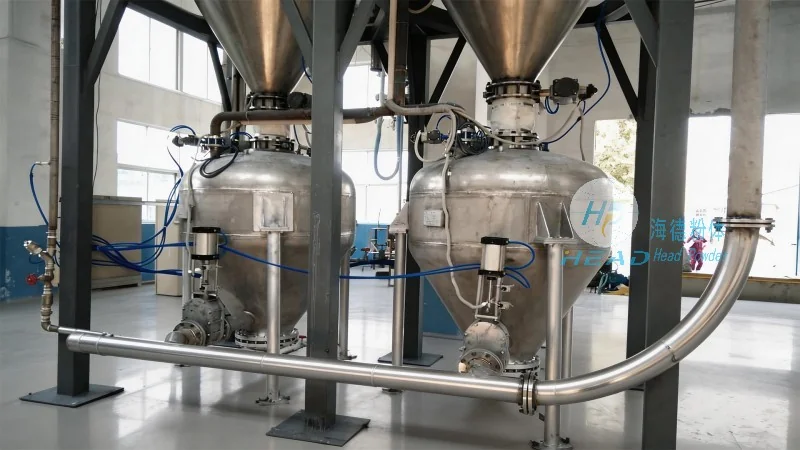
Introduction to Dry Ash Pneumatic Conveying Systems
Dry ash material pneumatic conveying machines are essential equipment used to transport dry bulk materials, such as fly ash, through a pipeline using compressed air or other gas. These systems are widely employed in power plants, cement factories, and other industrial facilities where the efficient and safe handling of fine powders is critical. The technology offers a cost-effective alternative to traditional methods like belt conveyors or bucket elevators, especially for materials that are abrasive, dusty, or require minimal contact with mechanical components.
Working Principle of Dry Ash Pneumatic Conveying Equipment
The operation of a dry ash pneumatic conveying system involves several key components and processes. At its core, the system relies on the principle of fluidization and pneumatic transport. Here's a step-by-step breakdown of how the equipment functions:
1. Material Feeding: The dry ash material is fed into the conveying line through a hopper or feeder. The feeder ensures a consistent flow rate, preventing blockages and maintaining system efficiency. The design of the hopper often includes a cone or a screw mechanism to control the discharge of the material.
2. Air Supply: Compressed air is introduced into the conveying line at a controlled pressure. The air velocity is crucial; it must be sufficient to lift and transport the ash particles while minimizing pressure drop and energy consumption. The air supply system typically includes a blower or a compressor, which provides the necessary pressure and volume of air.
3. Conveying Process: As the air flows through the pipeline, it creates a low-pressure zone that draws the ash particles into the air stream. The combination of air velocity and particle size determines the conveying velocity. The material is carried through the pipeline in a slurry-like state, with the air acting as the medium for transport.
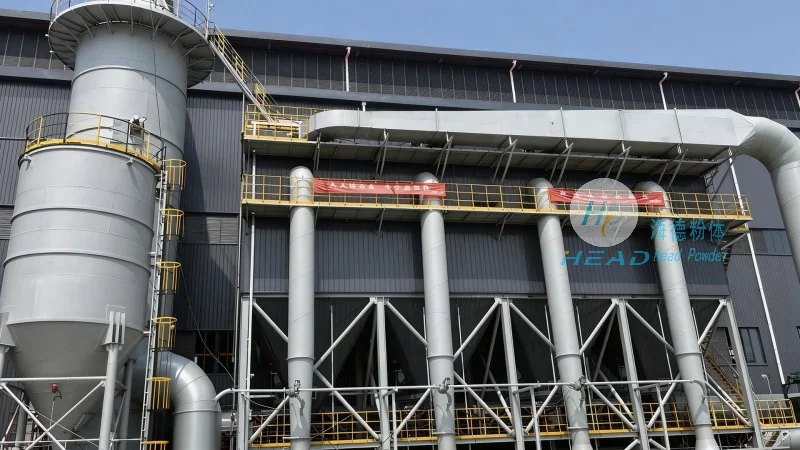
4. Discharge and Separation: At the receiving end of the pipeline, the conveying air and ash are separated. This is usually achieved through a cyclone separator or a filter system. The separated ash is collected in a hopper or storage tank, while the air is either vented to the atmosphere or recirculated back to the system, depending on the design and environmental requirements.
Key Features and Advantages of Dry Ash Pneumatic Conveying Machines
Dry ash pneumatic conveying equipment from HeadPowder offers several distinct features and advantages that make it an ideal choice for industrial applications:
1. High Efficiency and Low Maintenance: The system operates with minimal mechanical parts in contact with the material, reducing wear and tear. This results in lower maintenance costs and longer service life compared to traditional conveyors. The use of air as the conveying medium also minimizes material degradation and contamination.
2. Versatility in Material Handling: These machines are capable of handling a wide range of dry bulk materials, including fine powders, granules, and even abrasive materials like fly ash. The adjustable air pressure and velocity allow for customization to suit different material characteristics and conveying distances.
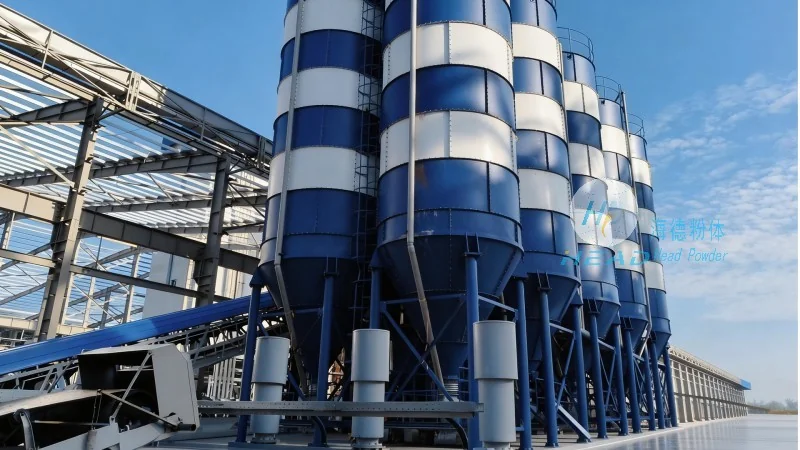
3. Compact Design and Space Savings: Pneumatic conveying systems are typically more compact than other conveying methods, requiring less floor space. This is particularly beneficial in facilities with limited space or where space optimization is a priority.
4. Reduced Downtime and Improved Safety: The absence of moving parts in the conveying line reduces the risk of mechanical failure and associated downtime. Additionally, the enclosed system helps to contain dust and prevent environmental contamination, enhancing workplace safety and compliance with environmental regulations.
Customization and Application Flexibility
HeadPowder understands that each industrial application has unique requirements. Therefore, the company offers customized solutions tailored to specific needs. Whether it's a short-distance conveying system for a small power plant or a long-distance pipeline for a large-scale cement factory, the equipment can be designed and manufactured to meet the exact specifications of the client.
The company's engineering team works closely with clients to assess their material characteristics, conveying distance, and operational parameters. This collaborative approach ensures that the final system is optimized for performance, efficiency, and cost-effectiveness. Customization options may include different types of feeders, cyclone separators, air filtration systems, and control panels to suit various operational conditions.
Conclusion
Dry ash material pneumatic conveying equipment from Shandong HeadPowder Engineering Co., Ltd. represents a reliable and efficient solution for handling dry bulk materials in industrial settings. By leveraging advanced pneumatic transport technology, the systems offer significant advantages in terms of efficiency, maintenance, and safety. With a strong presence in Shandong, China, HeadPowder continues to provide high-quality, customized solutions that meet the evolving needs of the industry.