

Working Principle and Characteristics of Cement Raw Material Material Handling
HeadPowder, a leading engineering firm based in Shandong, China, specializes in the design and implementation of efficient material handling systems for the cement industry. This article explores the working principles and key characteristics of cement raw material material handling, providing insights into how these systems enhance operational efficiency and reliability in cement production facilities.
Working Principle of Cement Raw Material Material Handling
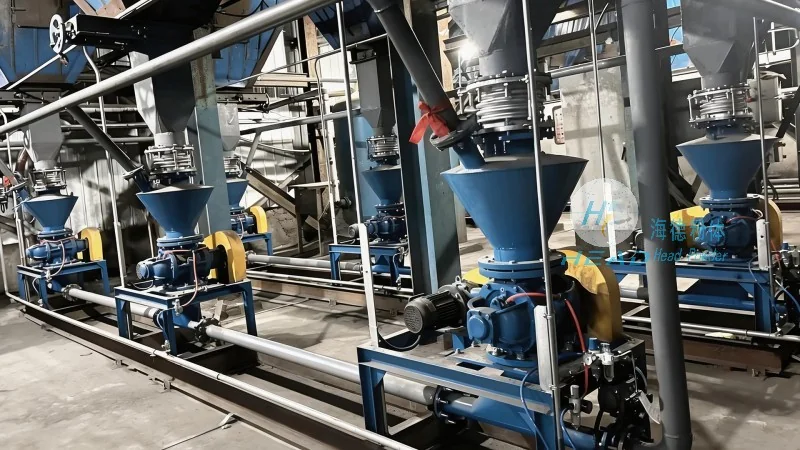
The core working principle of cement raw material material handling involves the systematic transport of raw materials such as limestone, clay, iron ore, and other additives from storage areas to the grinding and processing units within a cement plant. This process typically begins with the storage of raw materials in bulk storage silos or stockpiles. From there, the materials are conveyed using various equipment like belt conveyors, bucket elevators, and pneumatic conveying systems to the raw mill or preheater system. The entire process is designed to ensure a continuous and uninterrupted flow of raw materials, which is critical for maintaining consistent cement production rates. The system operates by converting the raw material bulk into a controlled flow, utilizing mechanical or pneumatic forces to move the materials through the plant. This ensures that the raw materials are delivered to the processing stage in the correct proportions and at the right time, minimizing downtime and optimizing production output.
Key Characteristics of Cement Raw Material Material Handling Systems
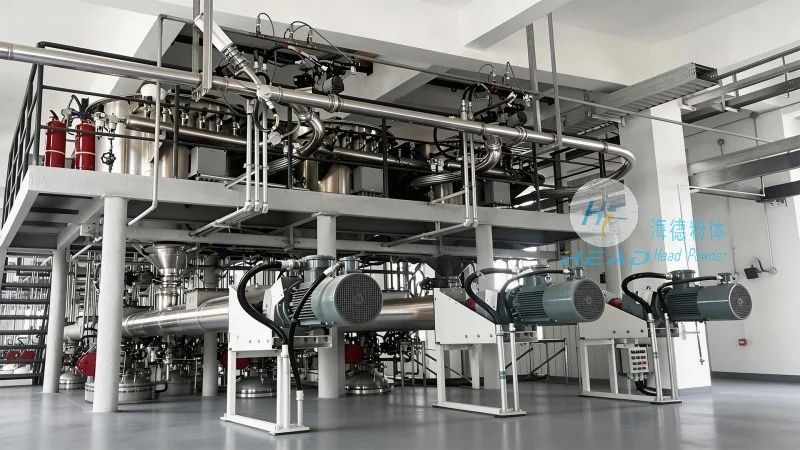
Cement raw material material handling systems exhibit several distinct characteristics that set them apart from other material handling solutions. Firstly, they are designed for high-capacity operations, capable of handling large volumes of raw materials with minimal operational interruptions. The systems are built to withstand the abrasive nature of cement raw materials, using durable components like heavy-duty belts, robust buckets, and corrosion-resistant materials to ensure long-term reliability. Another key characteristic is the integration of automation and control systems, which allow for precise monitoring and adjustment of material flow rates. This automation helps in maintaining consistent raw material quality and reducing waste. Additionally, these systems are engineered for flexibility, enabling easy adjustments to accommodate varying raw material compositions or production demands. The use of advanced sensors and control panels provides real-time data on material levels, flow rates, and system performance, facilitating proactive maintenance and operational optimization.
Operational Advantages and Efficiency Enhancements
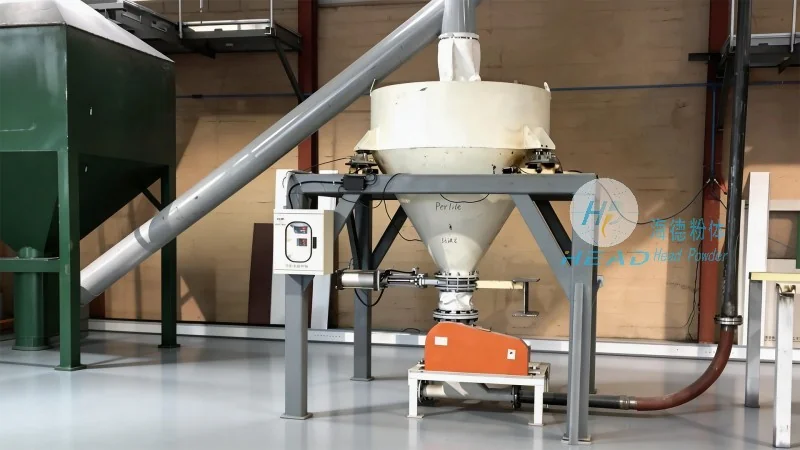
Implementing efficient cement raw material material handling systems offers significant operational advantages for cement manufacturers. By ensuring a continuous and reliable supply of raw materials, these systems help maintain steady production schedules, reducing the risk of production bottlenecks. The high-capacity and low-maintenance design of the equipment minimizes operational costs and downtime, contributing to overall cost savings. The integration of automation and real-time monitoring enhances process control, allowing for quick adjustments to maintain optimal material proportions. This leads to improved product quality and consistency, which are crucial for meeting market demands and regulatory standards. Furthermore, the durability and robust construction of the handling equipment ensure long service life, reducing the need for frequent replacements and associated maintenance expenses. The systems also contribute to environmental sustainability by minimizing material spillage and optimizing the use of raw resources, aligning with modern industrial practices.
Conclusion
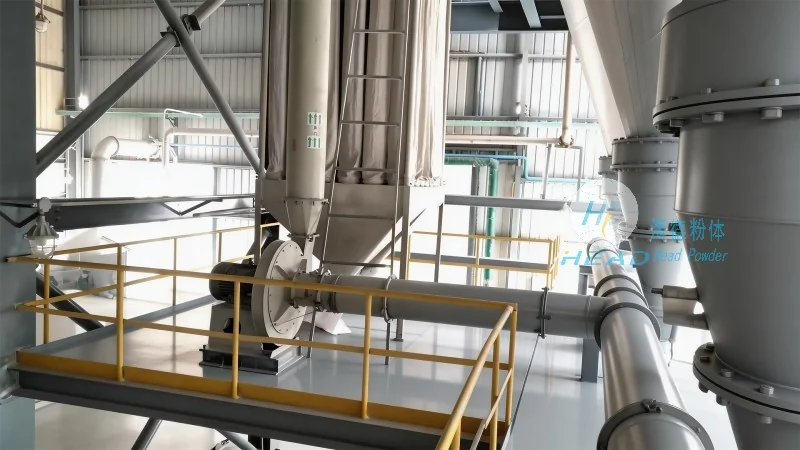
In summary, the working principle and characteristics of cement raw material material handling systems are tailored to meet the demanding requirements of the cement industry. By leveraging advanced engineering and automation, these systems ensure efficient, reliable, and cost-effective material transport, which is essential for maintaining competitive production capabilities. HeadPowder, with its expertise in engineering solutions, continues to provide innovative material handling systems that enhance the operational performance of cement plants worldwide.