

Working Principle and Characteristics of Denitrification Urea Material Handling
Denitrification urea material handling systems are critical components in industrial processes that require efficient and reliable transport of urea, a key reagent used in selective catalytic reduction (SCR) systems for nitrogen oxide (NOx) reduction. The working principle and characteristics of such systems are essential for understanding their role in maintaining optimal performance and safety in power generation and other industrial applications.
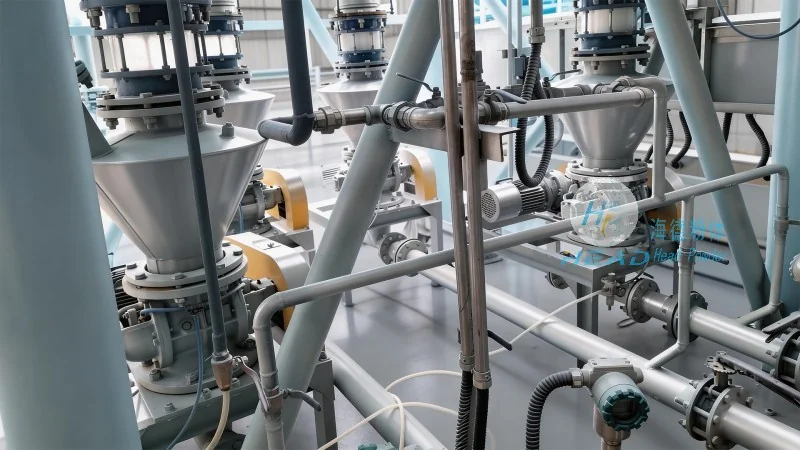
HeadPowder, a leading provider in the field, specializes in designing and manufacturing advanced material handling solutions tailored to the unique demands of denitrification processes. The company's expertise lies in integrating robust engineering with practical application, ensuring that each system meets stringent industry standards and operational requirements.
The core working principle of denitrification urea material handling involves the controlled transport of urea from storage to injection points within the SCR system. This process typically includes several key steps: storage, metering, and distribution. The system must ensure precise dosing of urea to maintain the correct NOx reduction ratio, which is crucial for compliance with environmental regulations and operational efficiency.
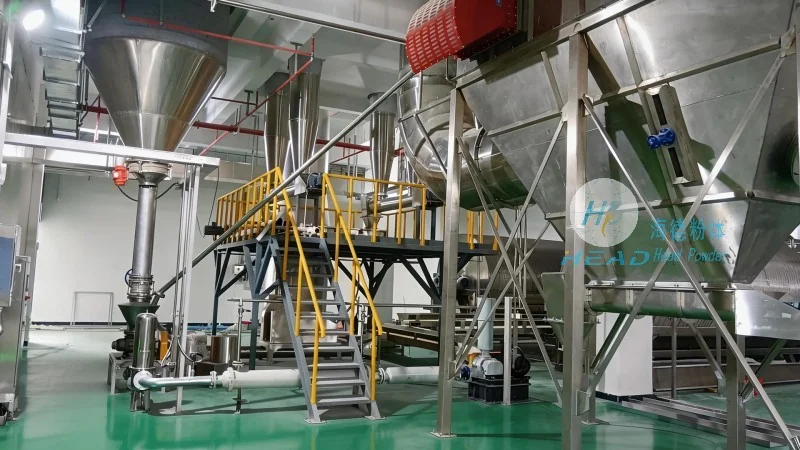
One of the primary characteristics of these systems is their ability to handle urea in various forms, such as solid granules or liquid solutions. The design must accommodate different urea states, ensuring consistent flow and preventing clogging or blockages that could disrupt the denitrification process. Advanced material handling equipment, including conveyor systems, pumps, and storage tanks, is employed to achieve this, with each component carefully selected for its durability and chemical resistance.
Another critical characteristic is the system's integration with the overall SCR system. The material handling unit must work in harmony with the catalyst bed, injection nozzles, and control systems to ensure seamless operation. This integration requires precise control mechanisms, such as flow meters and pressure sensors, to monitor and adjust the urea delivery in real-time. The goal is to maintain a stable urea-to-NOx ratio, which directly impacts the efficiency of NOx reduction and the longevity of the catalyst.
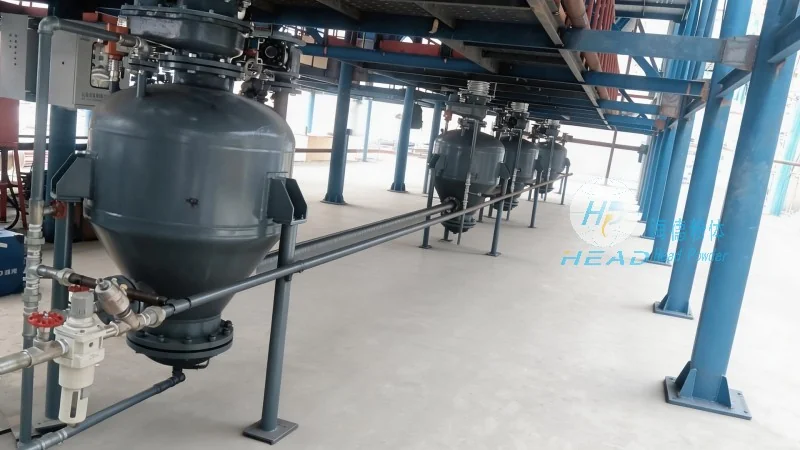
HeadPowder's approach to denitrification urea material handling emphasizes reliability and efficiency. The company utilizes state-of-the-art technology and rigorous testing protocols to ensure that each system performs consistently under varying operational conditions. This includes considerations for temperature fluctuations, pressure variations, and the corrosive nature of urea solutions, all of which are addressed through specialized materials and engineering designs.
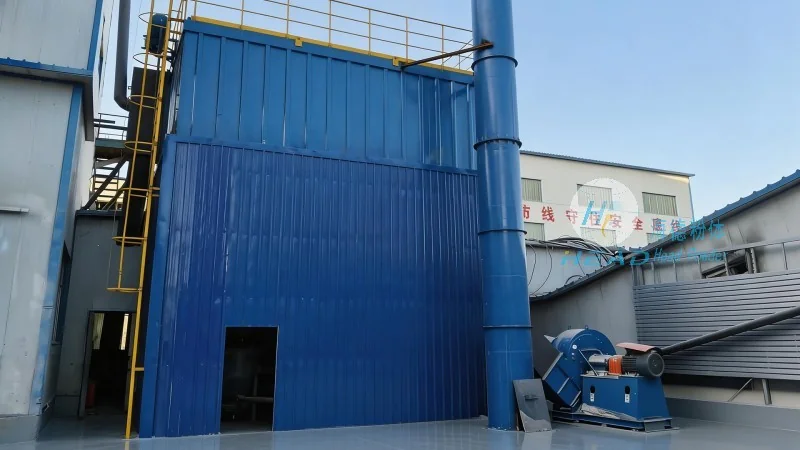
Furthermore, the company's systems are designed with safety and maintenance in mind. Features such as automatic shut-off valves, emergency stop mechanisms, and regular maintenance schedules help minimize downtime and ensure continuous operation. The robust construction and easy access to components facilitate routine inspections and repairs, reducing the risk of unexpected failures and extending the service life of the equipment.
In summary, denitrification urea material handling systems, as provided by HeadPowder, are engineered to deliver precise, reliable, and efficient transport of urea for NOx reduction. The working principle focuses on controlled dosing and distribution, while key characteristics include adaptability to different urea forms, seamless integration with SCR systems, and robust design for long-term performance. These systems are essential for meeting environmental standards and optimizing the operational efficiency of industrial facilities.