

[W]Working Principle and Characteristics of Quartz Sand Granular Material Conveying
Quartz sand, a fundamental raw material in numerous industrial sectors including glass production, construction, and chemical manufacturing, requires efficient and reliable conveying systems to facilitate its movement from storage to processing units. The working principle and distinct characteristics of quartz sand granular material conveying are essential for optimizing production workflows and ensuring consistent material handling. This article delves into the core mechanisms behind quartz sand conveying and outlines the key attributes that define effective systems.
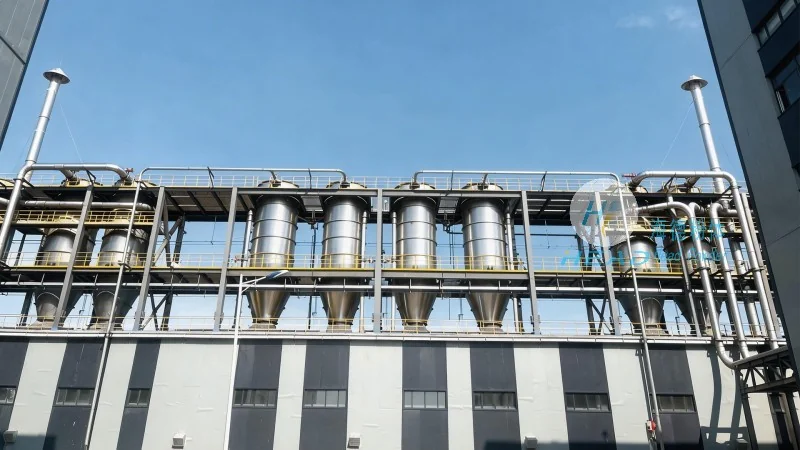
Introduction to Quartz Sand Granular Material Conveying
Quartz sand, composed mainly of silicon dioxide (SiO₂), exhibits granular properties that necessitate specialized equipment for transport. Its density, abrasiveness, and particle size distribution make conventional handling methods inadequate, prompting the development of tailored conveying solutions. The goal of quartz sand conveying is to move the material with minimal degradation, loss, or operational disruptions, thereby supporting seamless integration into downstream processes.
HeadPowder: A Specialist in Material Handling Solutions
Shandong HeadPowder Engineering Co., Ltd., operating under the brand name HeadPowder, is a leading provider of material handling systems based in Shandong, China. With a strong focus on innovation and customer-centric design, HeadPowder has established itself as a trusted partner for industries requiring robust conveying solutions. The company's expertise spans the entire lifecycle of material handling, from system design and manufacturing to installation and after-sales support. HeadPowder's commitment to quality and reliability has earned it a reputation for delivering systems that meet the unique demands of quartz sand and other granular materials.
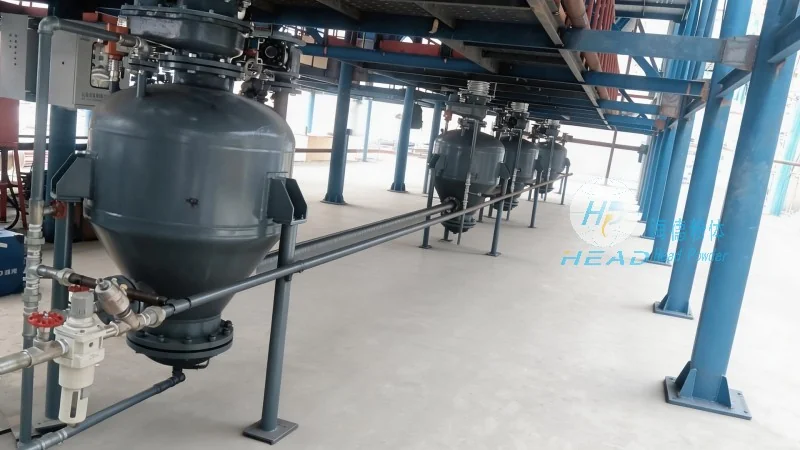
The Working Principle of Quartz Sand Granular Material Conveying
The fundamental working principle of quartz sand granular material conveying involves the use of mechanical or pneumatic equipment to transport the material. The most common methods include belt conveyors, screw conveyors, and pneumatic systems, each leveraging different physical forces to achieve material movement. For quartz sand, belt conveyors are widely adopted due to their ability to handle large volumes and abrasive materials without excessive wear. The process begins with the material being fed onto a moving belt, which is driven by pulleys and powered by electric motors. The belt's continuous rotation transports the quartz sand along a path defined by rollers and idlers, maintaining tension and alignment to prevent slippage or material spillage.
Screw conveyors, another effective option, utilize a rotating helical screw to push the material forward. This mechanism is particularly suitable for vertical or inclined transport, as the screw's rotation creates a consistent flow of granular material. The design of the screw, including its pitch (the distance between adjacent threads) and diameter, is optimized to handle quartz sand's particle size and density. A properly designed screw ensures smooth and continuous movement, minimizing the risk of material bridging or blockages. Pneumatic conveying systems, on the other hand, employ air pressure to transport the material through a pipeline. This method is ideal for dusty or fine-grained quartz sand, as it reduces material degradation and prevents the buildup of dust in the environment. The system typically consists of a blower, a hopper, and a pipeline, with the air flow creating a vacuum that pulls the material through the system.
Key Characteristics of Quartz Sand Conveying Systems
Effective quartz sand granular material conveying systems exhibit several critical characteristics that contribute to their performance and longevity. First, they must be constructed from materials resistant to the abrasive nature of quartz sand. High-quality components, such as stainless steel conveyor belts, special alloy screws, and wear-resistant liners, are used to minimize wear and extend the system's lifespan. This is particularly important in high-volume applications where the material is in constant contact with conveyor components.
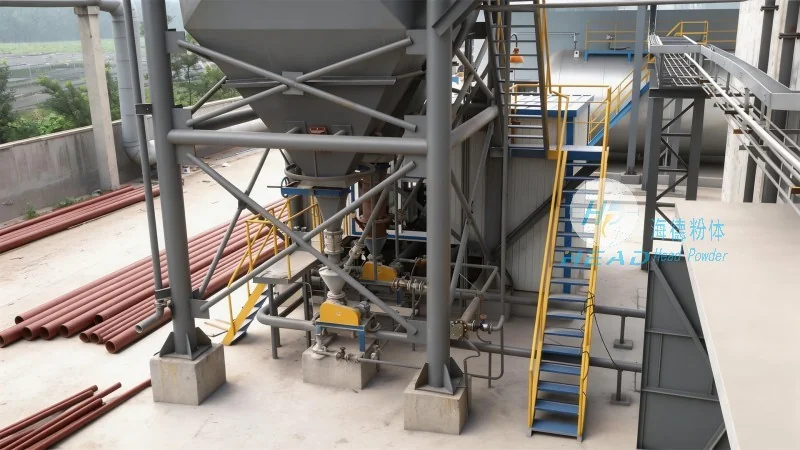
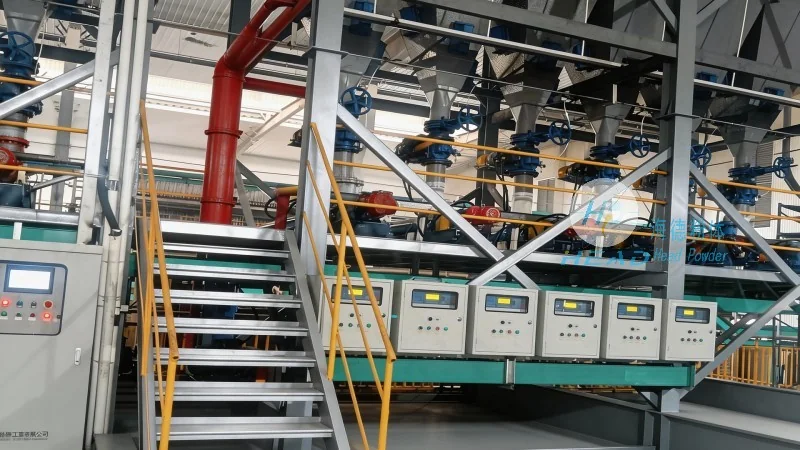
Second, the systems need to maintain consistent material flow rates, which is vital for sustaining production line efficiency. Variable speed drives and control systems are commonly integrated into the design to adjust the conveyor speed based on the material volume and processing requirements. This flexibility allows operators to optimize the system's performance under varying conditions, ensuring that the material is conveyed at the right rate without overloading or underutilizing the equipment.
Another key characteristic is the adaptability to varying particle sizes and densities. Quartz sand can range from fine powders to coarse granules, and conveying systems must be capable of handling these variations without compromising flow. Adjustable feed hoppers and variable pitch screws help accommodate different material compositions, ensuring uniform transport. Additionally, the systems should incorporate safety features, such as emergency stop buttons, overload protection, and dust suppression mechanisms, to prevent accidents and protect both personnel and equipment during operation.
Efficiency and Maintenance Best Practices
The efficiency of quartz sand granular material conveying systems is directly influenced by regular maintenance and operational practices. HeadPowder emphasizes proactive maintenance to minimize downtime and maximize system performance. Routine checks include belt tension adjustments, screw lubrication, air filter replacements in pneumatic systems, and inspection of wear parts. By following a structured maintenance schedule, clients can extend the service life of their conveying equipment and reduce the risk of unexpected failures.
Energy efficiency is also a significant consideration in modern conveying systems. Advanced technologies, such as energy-saving motors, variable frequency drives (VFDs), and optimized system designs, reduce power consumption while maintaining performance. This not only lowers operational costs but also aligns with environmental sustainability goals. HeadPowder's systems are designed to be energy-efficient, helping clients achieve higher productivity with lower environmental impact.
Conclusion
In conclusion, the working principle and characteristics of quartz sand granular material conveying are essential for the smooth operation of industrial processes. HeadPowder, with its expertise in material handling and commitment to quality, provides customized conveying solutions that address the unique challenges of quartz sand transport. By understanding the core mechanisms and key attributes of these systems, industries can enhance their operational efficiency, reduce costs, and ensure the reliable handling of quartz sand. The combination of advanced technology, robust design, and professional support from HeadPowder ensures that quartz sand is transported safely and efficiently, supporting the growth and success of various applications.