

What Are the Working Principles and Features of a Polyethylene Powder Pneumatic Conveying System?
For industrial applications requiring the efficient transport of polyethylene powder, pneumatic conveying systems offer a reliable and efficient solution. These systems are designed to handle bulk materials like polyethylene, ensuring safe and effective material movement within processing facilities. Shandong HeadPowder Engineering Co., Ltd., a leading provider in the field, specializes in the design and implementation of such systems, leveraging decades of experience in bulk material handling. The following sections will explore the fundamental working principles and key characteristics of polyethylene powder pneumatic conveying systems, providing insights into their operational efficiency and suitability for various industrial needs.
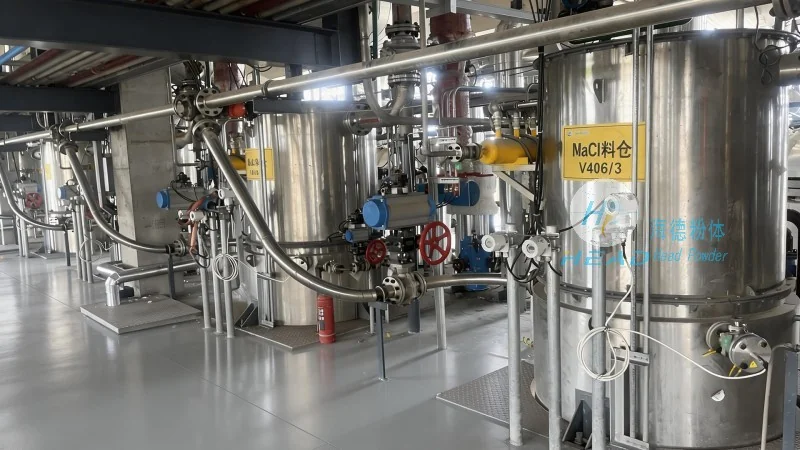
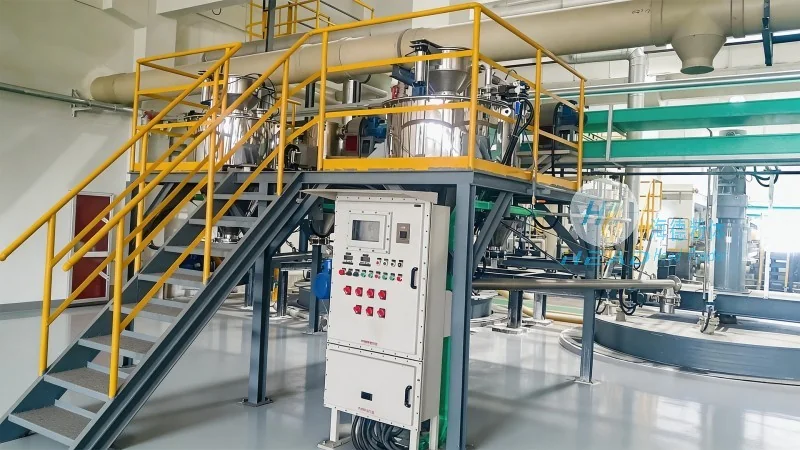
Working Principles of Polyethylene Powder Pneumatic Conveying Systems
The core principle of a polyethylene powder pneumatic conveying system involves the use of compressed air or other gases to transport powder materials through a pipeline network. The system typically operates by creating a pressure differential that propels the polyethylene particles forward. There are primarily two types of pneumatic conveying systems: pressure and vacuum systems. In pressure systems, compressed air is introduced at the material inlet, while vacuum systems create a negative pressure at the discharge end to draw the material through the pipeline. The choice between these systems depends on factors such as the distance of material transport, the required flow rate, and the nature of the polyethylene powder. The system includes components like a hopper for material storage, a feeder to control the flow rate, a conveying line, and a receiver for material discharge. The compressed air or gas is introduced at the feeder or hopper, creating a flow that carries the polyethylene particles through the pipeline. The velocity of the air and the size of the particles determine the efficiency of the conveying process. Proper design of the system ensures that the polyethylene powder is transported without degradation or agglomeration, maintaining its quality throughout the process.
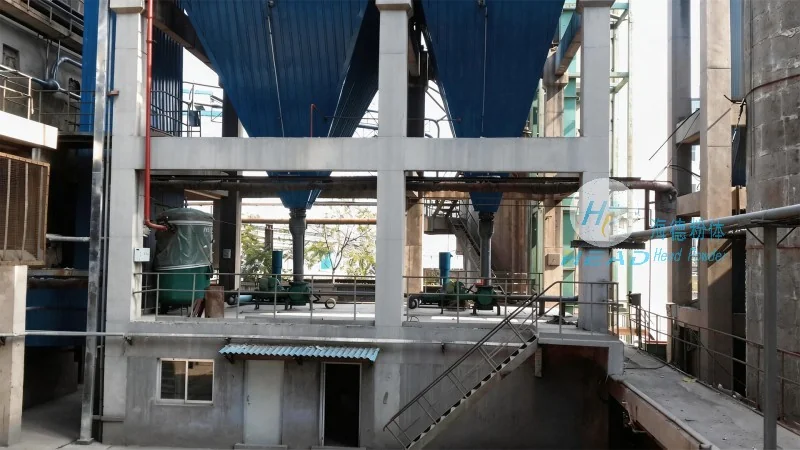
Key Features and Advantages of Polyethylene Powder Pneumatic Conveying Systems
Pneumatic conveying systems for polyethylene powder offer several distinct advantages that make them preferable in many industrial settings. One of the primary features is their ability to handle fine or cohesive powders like polyethylene without the need for mechanical components that might cause wear or contamination. The system’s design minimizes the risk of material buildup or blockages, which can be common in traditional screw or belt conveyors. Another key feature is the flexibility in system layout, as pneumatic conveying can accommodate complex pipeline configurations to suit the spatial constraints of a facility. This adaptability allows for efficient material transport even in confined or multi-level environments. Additionally, pneumatic conveying systems provide better control over the material flow rate, enabling precise dosing and dosing accuracy, which is crucial for processes that require consistent material input. The systems also offer improved safety compared to other bulk material handling methods, as they eliminate the need for manual handling of polyethylene powders, reducing the risk of dust exposure and potential health hazards. Furthermore, the enclosed nature of the conveying line helps maintain the purity of the polyethylene powder, preventing contamination from external sources. These features collectively contribute to the overall efficiency and reliability of polyethylene powder pneumatic conveying systems, making them a preferred choice for many industrial applications.
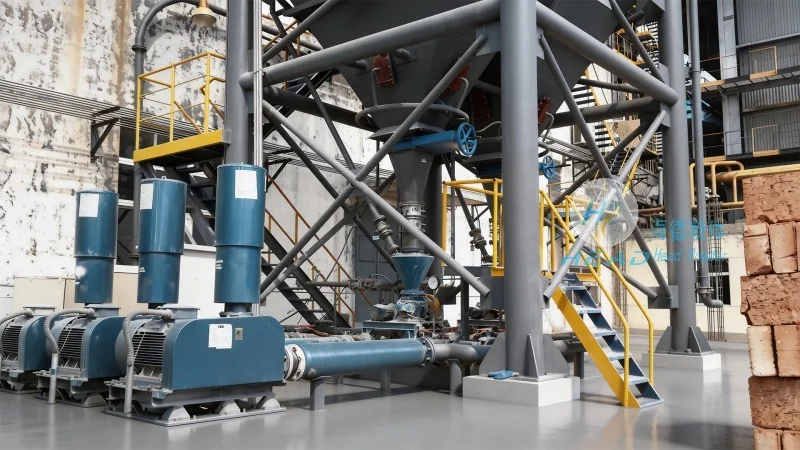
Applications and Suitability of Polyethylene Powder Pneumatic Conveying Systems
Polyethylene powder pneumatic conveying systems are widely used in various industries where polyethylene is processed or handled as a bulk material. These systems are particularly suitable for applications such as plastic manufacturing, where polyethylene is used in the production of films, fibers, or molded products. In such applications, the system efficiently transports polyethylene powder from storage silos to processing equipment, ensuring a continuous and uninterrupted supply of material. The systems are also used in chemical processing facilities, where polyethylene is blended with other chemicals or additives before further processing. The ability to handle fine powders and maintain material purity makes these systems ideal for pharmaceutical or food processing industries, where contamination control is paramount. Additionally, in the packaging industry, pneumatic conveying systems are employed to transport polyethylene powder for the production of packaging films or containers. The systems’ ability to handle large volumes and maintain consistent flow rates supports high production throughput in these applications. Overall, the versatility and efficiency of polyethylene powder pneumatic conveying systems make them suitable for a wide range of industrial processes that require reliable and safe bulk material transport.