

Working Principle and Features of Mineral Sand Material Pneumatic Conveying Systems
HeadPowder, a leading manufacturer based in Shandong, China, specializes in the design, development, and production of advanced pneumatic conveying systems tailored for mineral sand materials. This article delves into the fundamental working principle and key features of such systems, providing a comprehensive understanding for potential users and industry professionals.
Understanding the Working Principle of Mineral Sand Material Pneumatic Conveying Systems
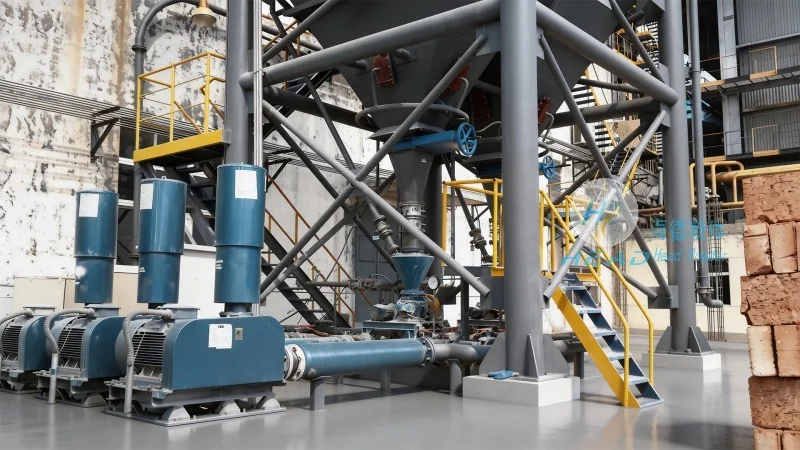
The core working principle of a mineral sand material pneumatic conveying system revolves around the use of compressed air or gas to transport bulk materials like mineral sands through a pipeline network. The process typically begins with the material being introduced into a hopper or feeder, where it is then drawn into the conveying line by the pressure differential created by the air flow. The system utilizes a combination of positive pressure or negative pressure (or a mix of both, known as combined pressure) to move the material efficiently. The compressed air acts as the motive force, carrying the mineral sand particles through the pipeline, while the system’s design ensures minimal material degradation and consistent flow rates. Key components such as airlocks, rotary valves, and cyclone separators are integrated to control the material’s movement, prevent blockages, and separate the conveyed material from the air stream. This mechanism allows for a continuous, dust-free, and energy-efficient method of transporting mineral sands over long distances or within industrial facilities.
Key Features of Mineral Sand Material Pneumatic Conveying Systems
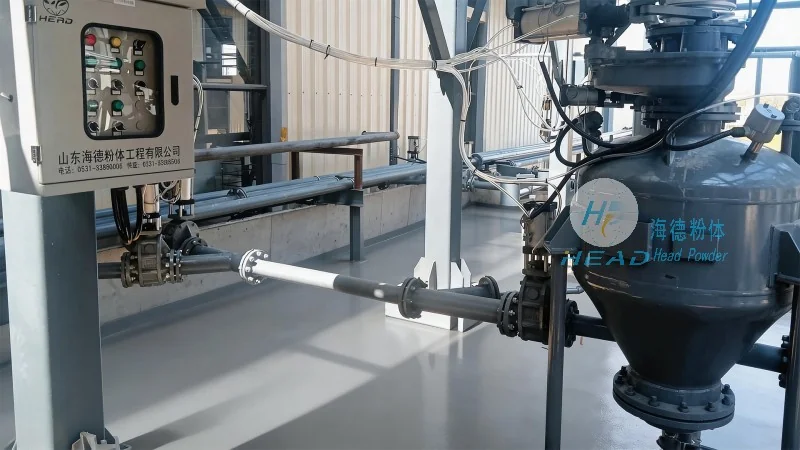
Mineral sand material pneumatic conveying systems offer several distinct advantages that make them ideal for handling abrasive and fine-grained materials. Firstly, they provide a dust-free operation, which is crucial for maintaining a clean and safe working environment, especially in industries where air quality is a concern. Secondly, these systems are highly flexible, capable of transporting materials over varying distances and through complex layouts without the need for extensive mechanical components like conveyor belts or buckets. The ability to handle abrasive mineral sands is another significant feature, as the system’s design minimizes wear and tear on components, extending their operational lifespan. Additionally, pneumatic conveying systems are energy-efficient compared to traditional methods, as they utilize compressed air to move materials with minimal friction losses. The compact design of these systems also allows for easy integration into existing industrial setups, reducing installation time and costs. Furthermore, the systems offer precise control over material flow rates, enabling accurate dosing and process control in applications such as mineral processing and material handling. The self-cleaning capabilities of some designs further enhance their reliability, as they can automatically clear blockages, ensuring continuous operation without manual intervention.
Applications and Benefits in Industrial Settings
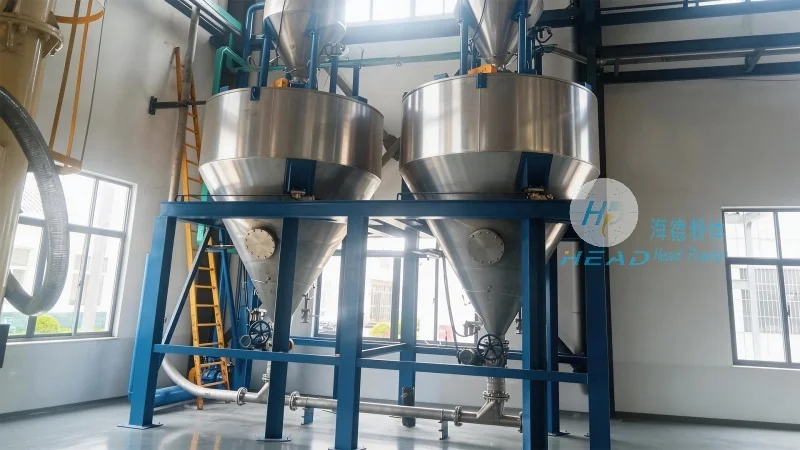
HeadPowder’s pneumatic conveying systems for mineral sand materials are widely used in various industrial applications, including mining, mineral processing, and construction material handling. In mining operations, these systems efficiently transport crushed mineral sands from processing plants to storage facilities or for further processing. The dust-free nature of the system is particularly beneficial in preventing dust-related health hazards and environmental contamination. In mineral processing plants, the precise control over material flow rates allows for consistent quality control, ensuring that the mineral sand meets the required specifications for downstream applications. The energy efficiency and low maintenance requirements of these systems also contribute to cost savings for industrial operations, making them a preferred choice for long-term material handling solutions. The flexibility of the system allows it to adapt to changing production demands, providing scalability for growing industrial needs. Overall, the combination of efficiency, reliability, and environmental benefits makes mineral sand material pneumatic conveying systems a vital component in modern industrial material handling.