

Working Principle and Features of Polysilicon Material Pneumatic Conveying Lines
Polysilicon material pneumatic conveying lines are critical components in the manufacturing and processing of silicon-based materials, particularly in the solar energy and semiconductor industries. These systems are designed to transport polysilicon powder efficiently and safely from one location to another, often over long distances or within complex production facilities. Understanding the working principle and key features of such systems is essential for optimizing production processes and ensuring operational reliability.
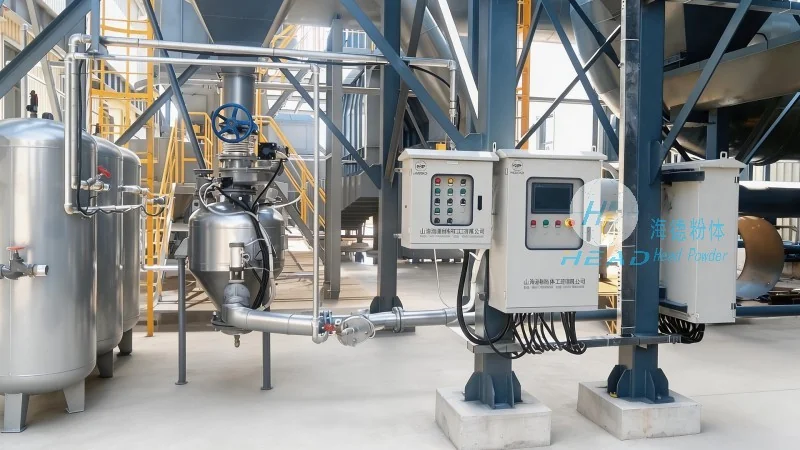
Working Principle of Polysilicon Material Pneumatic Conveying Lines
The core working principle of a polysilicon material pneumatic conveying line revolves around the use of compressed air or gas to transport solid particles. In this system, polysilicon powder is introduced into a pipeline, and a high-pressure air stream is then introduced to create a flow that carries the powder through the system. The process typically involves several key steps:
First, the polysilicon material is fed into a hopper or feeder, where it is then transferred into the conveying pipeline. The compressed air, often supplied by a blower or compressor, is introduced at a specific pressure and flow rate to generate the necessary velocity for particle transport. As the air and powder mixture moves through the pipeline, the particles are suspended and carried along by the air stream. The system may include various components such as in-line mixers, expansion chambers, and filters to ensure uniform flow and prevent particle segregation or blockages.
One of the primary advantages of pneumatic conveying is its ability to handle fine powders like polysilicon, which are prone to dusting and caking. The air stream helps to keep the particles in suspension, reducing the risk of material buildup and ensuring consistent flow rates. Additionally, the system can be designed to operate in both positive and negative pressure modes, depending on the application requirements. Positive pressure systems are commonly used for conveying materials from a central source to multiple destinations, while negative pressure systems are suitable for collecting and transporting materials from various points to a central collection point.
Key Features of Polysilicon Material Pneumatic Conveying Lines
Polysilicon material pneumatic conveying lines are characterized by several distinct features that make them suitable for demanding industrial applications. These features include:
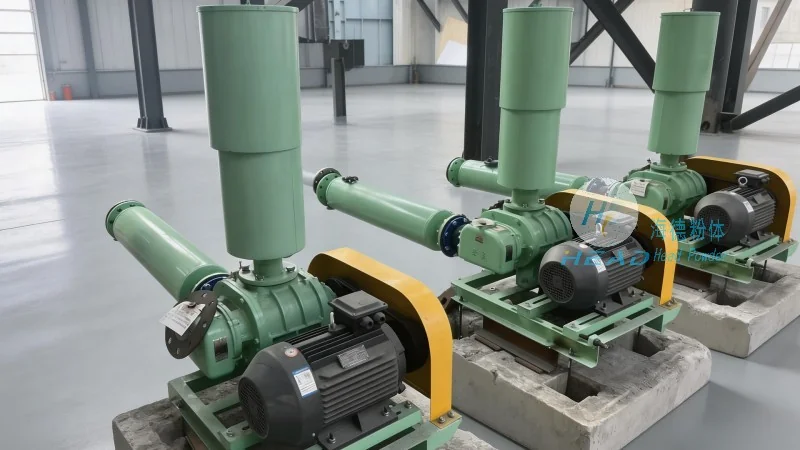
1. Efficiency and Speed: Pneumatic conveying systems can transport polysilicon powder at high speeds, often achieving flow rates that are significantly faster than traditional mechanical conveying methods. This efficiency is crucial for maintaining production throughput in high-volume manufacturing environments.
2. Safety and Containment: The enclosed pipeline design of pneumatic conveying systems helps to contain dust and prevent exposure to airborne particles, which is critical for maintaining a safe working environment, especially when handling fine materials like polysilicon.
3. Flexibility and Versatility: These systems can be easily integrated into existing production layouts and can be reconfigured to accommodate changes in production requirements. They can handle a wide range of particle sizes and moisture contents, making them adaptable to different polysilicon processing stages.
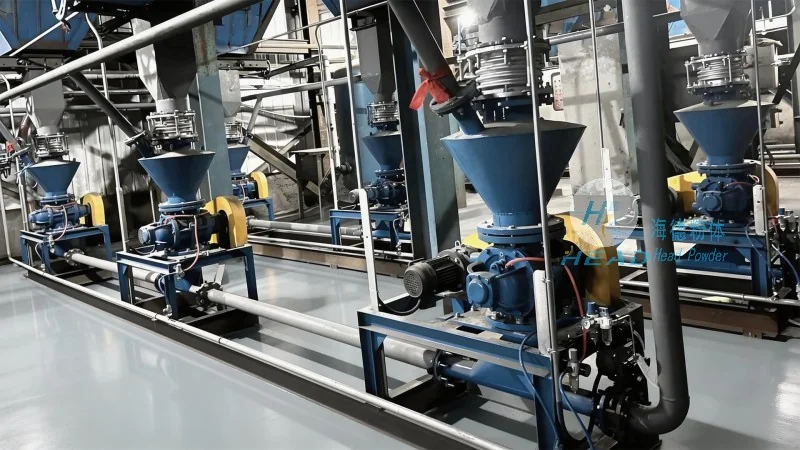
4. Low Maintenance and Reliability: Modern pneumatic conveying systems are designed with durable materials and components that minimize wear and tear, resulting in lower maintenance costs and higher operational reliability. The absence of moving parts in the conveying line itself reduces the risk of mechanical failure and simplifies maintenance procedures.
5. Energy Efficiency: While the initial energy consumption of compressed air systems may be higher than some other conveying methods, the overall energy efficiency of pneumatic conveying is often superior due to its ability to transport materials over long distances with minimal energy loss. Advanced control systems can further optimize energy usage by adjusting air pressure and flow rates based on real-time demand.
Company Information: Shandong HeadPowder Engineering Co., Ltd.
Shandong HeadPowder Engineering Co., Ltd., operating under the brand name headpowder, specializes in the design, manufacturing, and installation of advanced material handling systems, including polysilicon material pneumatic conveying lines. With a focus on innovation and quality, the company provides customized solutions tailored to the specific needs of the solar and semiconductor industries. HeadPowder's expertise in material flow technology ensures that their conveying systems are optimized for the unique characteristics of polysilicon, such as its fine particle size and potential for dust generation.
The company is headquartered in Shandong, China, and leverages its local presence to offer comprehensive support, including on-site consultation, system design, and after-sales service. By combining advanced engineering with practical application knowledge, HeadPowder delivers reliable and efficient pneumatic conveying solutions that enhance production efficiency and safety for its clients.