

Working Principle and Features of PVC Resin Material Pneumatic Conveying Systems
Shandong HeadPowder Engineering Co., Ltd., a leading provider in the field, specializes in the design and implementation of advanced pneumatic conveying systems for PVC resin materials. Based in Shandong, China, the company leverages decades of industry experience to deliver efficient and reliable solutions tailored to the unique demands of the plastic processing sector. This article delves into the working principle and key features of PVC resin material pneumatic conveying lines, offering insights into how these systems enhance operational efficiency and product quality.
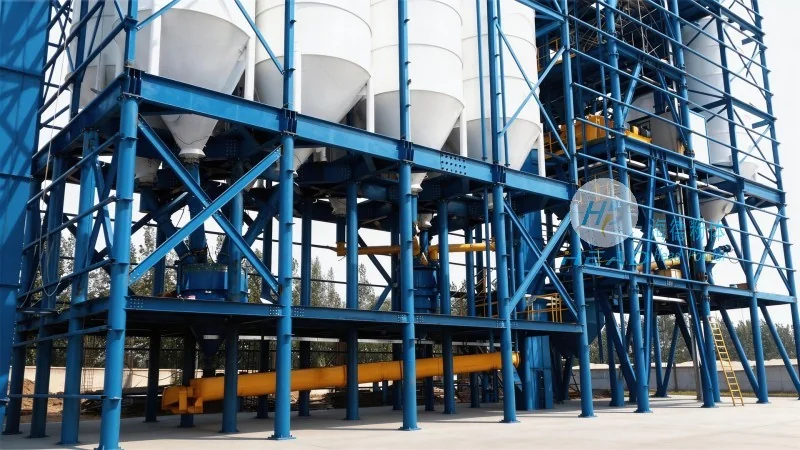
Working Principle of PVC Resin Material Pneumatic Conveying Systems
PVC resin material pneumatic conveying systems operate on the fundamental principle of transporting bulk materials through a pipeline using a gas stream, typically air or a mixture of air and other gases. The process can be categorized into two primary types: positive pressure and negative pressure systems, each with distinct operational characteristics and applications.
In a positive pressure system, compressed air is introduced into the material hopper, creating an air flow that lifts and propels the PVC resin particles through the pipeline. This method is particularly effective for conveying materials over long distances or through complex network configurations, as the high-pressure air ensures consistent material movement and minimal blockage. The system typically includes components such as a blower, material hopper, and a series of pipeline segments connected by valves and filters to maintain system integrity.
Conversely, negative pressure systems utilize suction to draw the PVC resin from the source and transport it through the pipeline. In this setup, a vacuum is created at the receiving end, pulling the material along with the air stream. This approach is often preferred for applications requiring gentle handling of the resin, as it minimizes particle breakage and maintains the integrity of the material. The system comprises a vacuum pump, inlet hopper, and a network of pipelines equipped with appropriate filters and control valves to regulate the flow and prevent dust emissions.
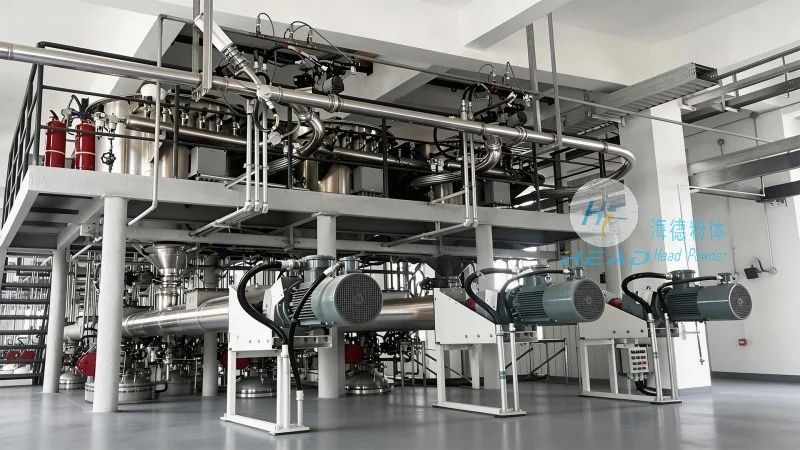
Both system types rely on the interaction between the air flow and the PVC resin particles to achieve efficient transport. The key to successful operation lies in maintaining optimal air velocity and pressure levels, which are critical for preventing material deposition and ensuring smooth material movement through the entire conveying line. Proper design of the hopper, pipeline diameter, and air flow rate is essential to achieve consistent performance and minimize operational downtime.
Key Features of PVC Resin Material Pneumatic Conveying Systems
Advanced PVC resin material pneumatic conveying systems from Shandong HeadPowder Engineering Co., Ltd. are characterized by several notable features that enhance their performance and reliability in industrial settings. These features are tailored to meet the specific requirements of PVC resin handling, ensuring high efficiency, low maintenance, and environmental compliance.
One of the primary advantages is the high degree of automation and control offered by modern systems. Integrated sensors and control panels allow for real-time monitoring of air pressure, flow rate, and material level, enabling operators to adjust parameters dynamically and optimize the conveying process. This automation reduces human error and ensures consistent material delivery, which is crucial for maintaining production continuity in plastic manufacturing facilities.
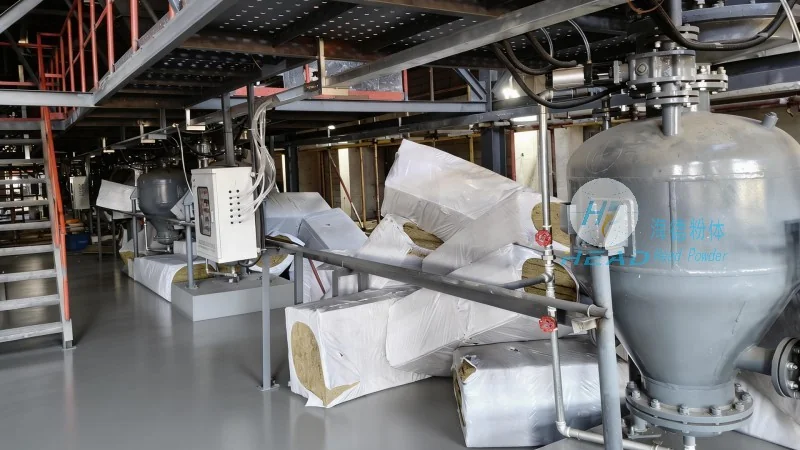
Efficiency is another critical feature, as these systems are designed to minimize energy consumption while maximizing material throughput. Advanced blower technology and optimized pipeline designs reduce energy waste, resulting in lower operational costs for the end-user. The ability to handle large volumes of PVC resin at high speeds further enhances productivity, making these systems ideal for high-capacity production lines.
Environmental considerations are also a key focus, with modern pneumatic conveying systems incorporating dust collection and filtration systems to comply with environmental regulations. The use of sealed pipelines and efficient filtration reduces dust emissions, creating a safer working environment and minimizing the risk of material contamination. This feature is particularly important in PVC processing, where dust can affect product quality and worker health.
Reliability and durability are further enhanced through robust construction and quality materials. The pipelines, hoppers, and valves are typically made from corrosion-resistant materials, such as stainless steel or specialized plastics, to withstand the chemical properties of PVC resin and the effects of continuous operation. Regular maintenance and quality assurance protocols ensure that the systems operate reliably over extended periods, minimizing downtime and maintenance costs.
Application and Integration in PVC Processing
PVC resin material pneumatic conveying systems are widely used in various stages of the PVC processing industry, from raw material handling to finished product production. The systems are integrated into production lines to transport PVC resin from storage silos or bulk containers to processing equipment, such as extruders or mixers. This integration ensures a continuous and uninterrupted supply of material, which is essential for maintaining production rates and product consistency.
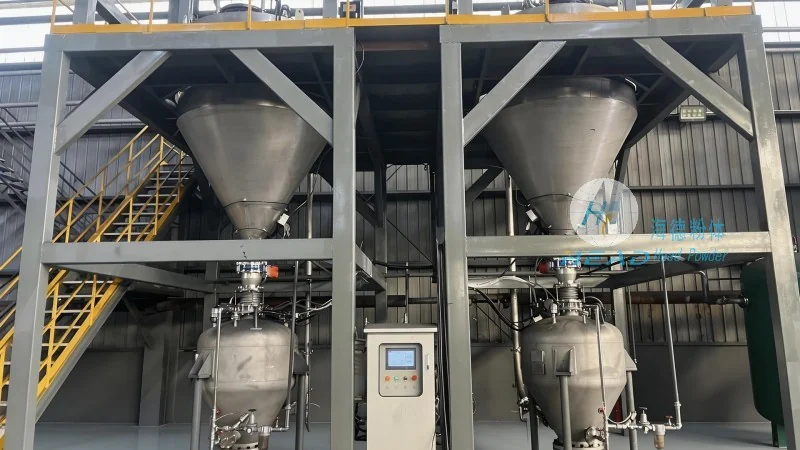
In the context of PVC manufacturing, the systems are particularly valuable for handling fine or powdery resin, which can be challenging to transport using traditional methods like belt conveyors or bucket elevators. Pneumatic conveying provides a gentle and efficient means of moving these materials without causing particle degradation or agglomeration, which could affect the final product's properties.
The flexibility of pneumatic conveying systems also allows for integration with other processing equipment, such as drying or blending units. By connecting the conveying line to these auxiliary systems, manufacturers can streamline their production processes and reduce the need for manual handling of materials. This integration enhances overall operational efficiency and reduces the risk of material loss or contamination.
Conclusion
Shandong HeadPowder Engineering Co., Ltd. offers advanced PVC resin material pneumatic conveying systems that combine efficient operation with robust design, making them an ideal solution for modern PVC processing facilities. By understanding the working principles and key features of these systems, manufacturers can optimize their material handling processes, reduce operational costs, and improve overall productivity. The company's commitment to quality and innovation ensures that its systems meet the evolving demands of the industry, providing reliable and sustainable solutions for PVC resin transportation.