

Working Principle and Features of Coal Ash Granular Material Pneumatic Conveying Line
Coal ash, a byproduct of coal combustion, is commonly processed and utilized in various industrial applications. The efficient transportation of coal ash particles is crucial for optimizing production processes and ensuring environmental compliance. Pneumatic conveying systems offer a reliable solution for handling coal ash granular materials, and understanding their working principles and features is essential for selecting the right equipment for specific industrial needs.
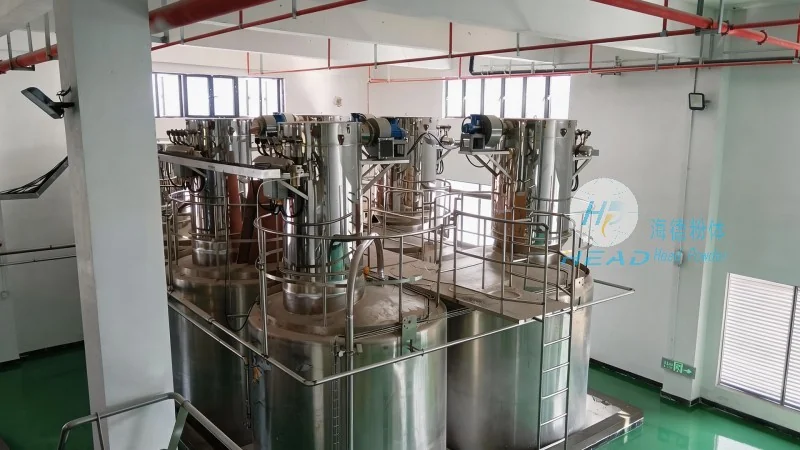
Introduction to Coal Ash Pneumatic Conveying Systems
Shandong HeadPowder Engineering Co., Ltd., a leading manufacturer in the field of material handling equipment, specializes in designing and supplying advanced pneumatic conveying solutions tailored to the unique requirements of coal ash processing. With a focus on innovation and durability, the company's systems are engineered to handle the challenges associated with transporting coal ash particles, including their abrasive nature and varying particle sizes.
Working Principle of Coal Ash Pneumatic Conveying Lines
The core working principle of a coal ash pneumatic conveying line involves the use of compressed air to transport solid particles through a pipeline. The system typically consists of a hopper for material storage, a feeder to control the flow rate, a compressor to generate the necessary air pressure, and a pipeline network to deliver the material to the destination. As the material is fed into the system, it is entrained by the high-velocity air stream, creating a dense phase or dilute phase flow depending on the system design and operational parameters.
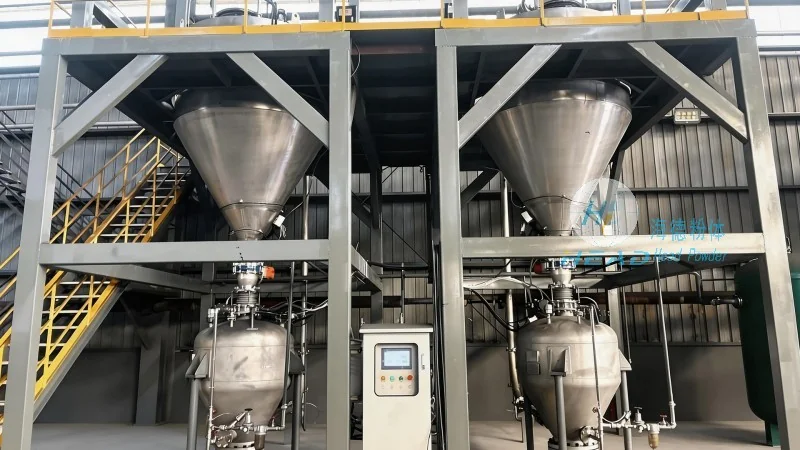
In a dense phase conveying system, the air velocity is lower, and the material is transported in a slurry-like state, which reduces particle degradation and minimizes dust generation. This method is particularly suitable for transporting coal ash over longer distances or when the material is sensitive to high velocities. Conversely, dilute phase systems utilize higher air velocities, allowing for faster transportation but potentially increasing the risk of particle breakage and dust emissions. The choice between dense and dilute phase depends on factors such as the distance to be covered, the particle size distribution, and the desired level of material integrity.
Key Features of Coal Ash Pneumatic Conveying Systems
Coal ash pneumatic conveying systems from Shandong HeadPowder Engineering Co., Ltd. are characterized by several key features that enhance their performance and reliability. One of the primary advantages is the ability to transport materials without the need for mechanical components like belts or buckets, which reduces maintenance costs and operational downtime. The system operates in a closed loop, minimizing dust emissions and improving environmental safety, which is critical for compliance with industrial regulations.
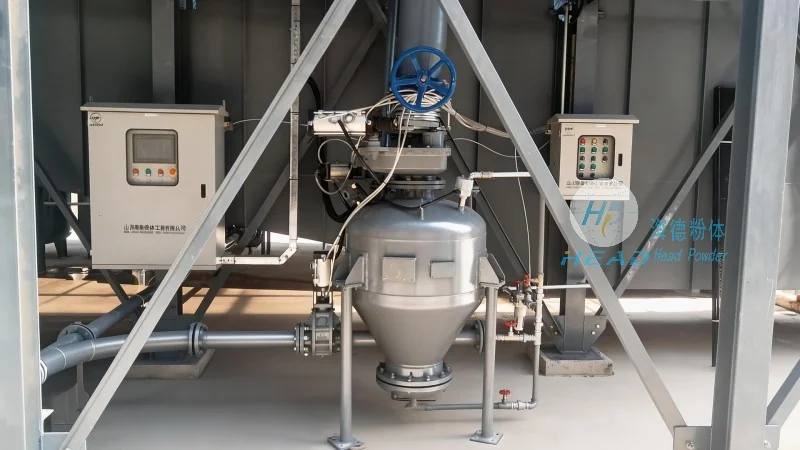
Another significant feature is the flexibility in system design, allowing for customization based on the specific characteristics of the coal ash material. This includes adjusting the air pressure, flow rate, and pipeline configuration to optimize the conveying efficiency. The systems are also equipped with advanced control mechanisms, such as pressure sensors and flow meters, to monitor and regulate the conveying process in real-time, ensuring consistent material delivery and preventing system overloads.
The durability of the equipment is another critical feature, as coal ash particles can be abrasive and corrosive. Shandong HeadPowder Engineering Co., Ltd. utilizes high-quality materials, such as stainless steel and wear-resistant coatings, to extend the service life of the components and reduce the frequency of replacements. This not only lowers long-term operational costs but also enhances the overall reliability of the system.
Operational Advantages and Applications
The use of pneumatic conveying systems for coal ash particles offers several operational advantages over traditional methods like belt conveyors or bucket elevators. These systems provide a continuous and uniform flow of material, which improves process control and reduces the risk of material buildup or blockages. Additionally, the enclosed nature of the system prevents dust from contaminating the surrounding environment, contributing to a safer working environment for personnel.
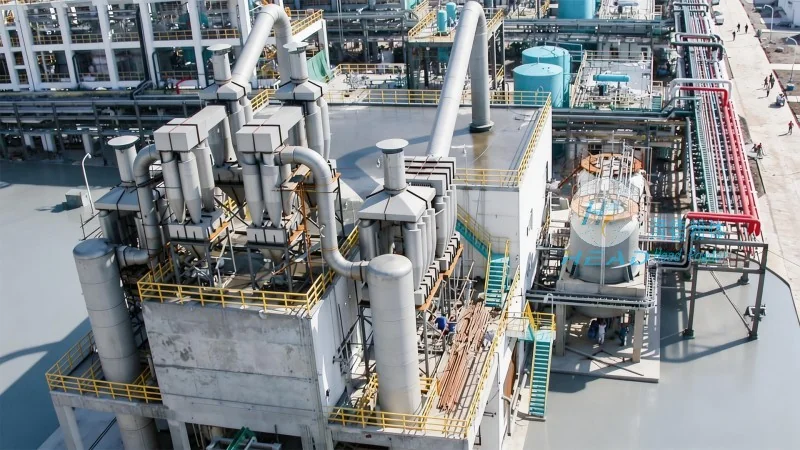
Coal ash pneumatic conveying lines are widely used in various industrial applications, including power plants, cement production, and construction material manufacturing. In power plants, the system efficiently transports coal ash from the boiler to storage facilities or for further processing into byproducts like fly ash bricks. In cement plants, the material is conveyed to silos or mixing stations, where it is incorporated into the production of cement. The versatility of the system makes it suitable for handling different types of coal ash, from fine fly ash to coarse bottom ash, ensuring efficient material management across diverse industrial settings.
Conclusion and Company Overview
Understanding the working principle and features of coal ash pneumatic conveying lines is essential for optimizing material handling processes in coal ash processing industries. Shandong HeadPowder Engineering Co., Ltd. stands as a trusted partner in providing high-quality pneumatic conveying solutions that meet the demanding requirements of modern industrial applications. With a commitment to innovation, durability, and environmental responsibility, the company continues to deliver reliable and efficient systems that enhance operational efficiency and sustainability in coal ash management.