

Principles and Working Scene Characteristics of Calcium Carbonate Pneumatic Conveying
Calcium carbonate, a widely used industrial material, often requires efficient and reliable transportation methods for various applications. Pneumatic conveying, particularly for calcium carbonate, offers a solution that combines simplicity with effectiveness in material handling. This article explores the fundamental principles of calcium carbonate pneumatic conveying and highlights the key characteristics of its working scenes, providing insights into how this technology optimizes material transport in industrial settings.
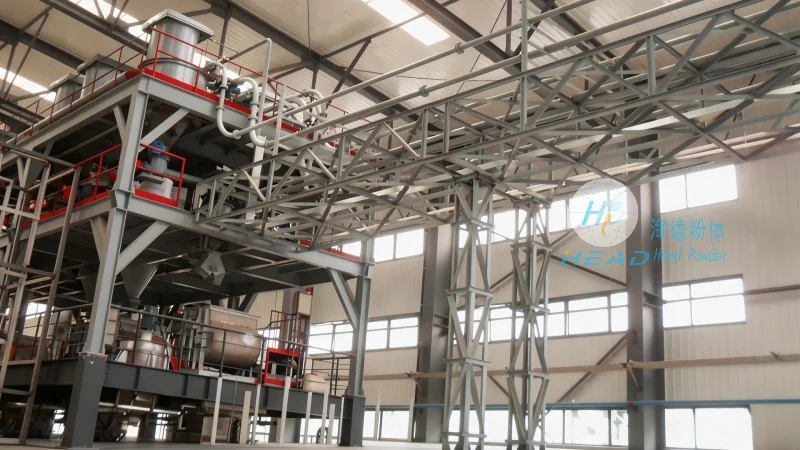
Understanding Pneumatic Conveying Principles for Calcium Carbonate
Pneumatic conveying involves the transport of bulk materials using a gas stream, typically air, to move particles through a pipeline. For calcium carbonate, which is often in powder or fine particulate form, this method is particularly advantageous due to its ability to handle delicate materials without causing degradation or contamination. The core principle revolves around creating a flow of air that lifts and propels the calcium carbonate particles through the system. There are two primary types of pneumatic conveying systems: suction (or vacuum) and pressure systems. Suction systems use a vacuum at the receiving end to draw material from a hopper or storage area, while pressure systems utilize compressed air to push material through the pipeline. Both systems rely on the balance between air velocity and particle size to ensure efficient transport. For calcium carbonate, which typically has a relatively fine particle size (often ranging from 1 to 200 microns), the air velocity must be carefully controlled to prevent particle segregation or blockages. The design of the conveying system, including the choice of pipeline diameter, air flow rate, and the use of special components like cyclones or filters, is critical to maintaining stable and continuous operation. The headloss in the pipeline, which is the pressure drop due to friction and particle interaction, must be managed to ensure sufficient air pressure or vacuum to maintain the material flow. This involves calculating the required air velocity based on the particle's terminal velocity and the system's pressure drop characteristics. In practice, for calcium carbonate, the selection of a suction or pressure system depends on factors such as the distance to be covered, the volume of material to be transported, and the need for material separation or cleaning. The principles of pneumatic conveying for calcium carbonate are thus centered on achieving a stable air-particle mixture with controlled velocity and pressure to ensure efficient and unobstructed transport.
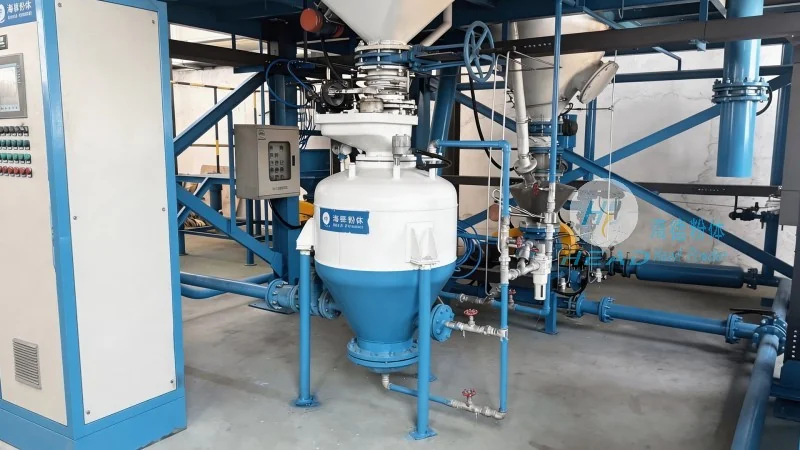
Key Working Scene Characteristics of Calcium Carbonate Pneumatic Conveying
The working scenes where calcium carbonate pneumatic conveying is applied exhibit distinct characteristics that influence system design and performance. These characteristics include the nature of the material, the operational environment, and the specific requirements of the end application. One of the primary characteristics is the particle size distribution of calcium carbonate. Fine powders, which are common in applications like paper coating or plastic compounding, require higher air velocities and more robust system components to prevent clogging and ensure consistent flow. The moisture content of the calcium carbonate also plays a role, as higher moisture levels can lead to agglomeration and increased friction, necessitating additional drying or conditioning steps before conveying. The concentration of the material in the air stream is another critical factor. Higher concentrations (often referred to as dense phase conveying) can reduce the required air volume and energy consumption but may increase the risk of blockages if not properly controlled. Conversely, low concentration (dilute phase) systems are more common for long-distance transport but require larger air volumes and more energy. The distance and layout of the conveying system also impact the design. For short distances, suction systems may be sufficient, while long-distance transport often requires pressure systems with intermediate boosters or cyclones to maintain pressure and prevent material settling. The presence of other materials or contaminants in the calcium carbonate stream can affect the system's performance, as they may require additional filtration or separation equipment to maintain product purity. Furthermore, the operational environment, such as temperature and humidity, can influence the material's properties and the system's components, necessitating materials like stainless steel or special coatings to prevent corrosion or degradation. The end application of the calcium carbonate also dictates the conveying requirements. For example, in the food or pharmaceutical industries, the system must meet stringent hygiene standards, requiring sealed pipelines and high-efficiency filters to prevent contamination. In contrast, industrial applications may prioritize cost-effectiveness and durability over strict hygiene. The working scene characteristics thus involve a combination of material properties, operational parameters, and application-specific requirements that must be carefully considered to design an effective and reliable pneumatic conveying system for calcium carbonate.
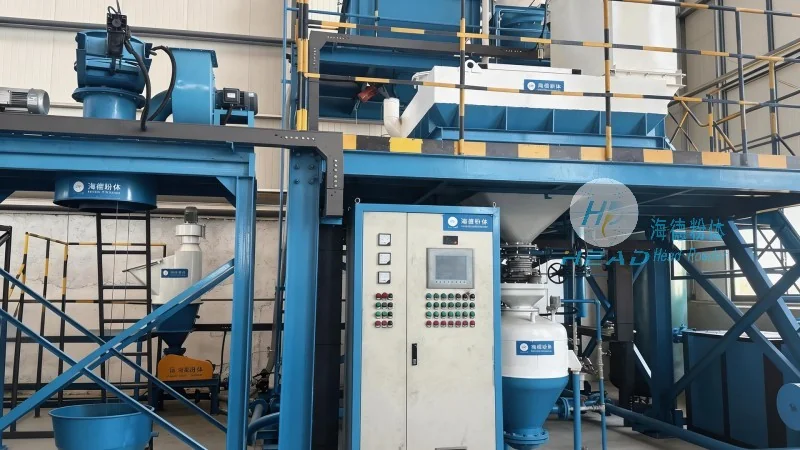
Applications and Benefits of Calcium Carbonate Pneumatic Conveying
The adoption of pneumatic conveying for calcium carbonate offers several benefits that make it a preferred method in many industries. One of the key advantages is the ability to handle fine and delicate materials without causing damage or degradation. Unlike mechanical conveying methods, which may involve abrasion or impact, pneumatic systems use air to gently lift and transport particles, preserving the material's quality and reducing the risk of contamination. This is particularly important for calcium carbonate used in applications such as paper coating, where the particle size and surface characteristics are critical to the final product's performance. Another benefit is the flexibility of the system, which can be easily integrated into existing production lines. Pneumatic conveying systems can be designed to transport calcium carbonate from storage silos to processing equipment, or from one production line to another, with minimal disruption to the workflow. The system's ability to handle varying material volumes and flow rates also enhances operational efficiency, allowing for smooth and continuous production. Energy efficiency is another significant advantage, as modern pneumatic conveying systems can achieve high material throughput with relatively low energy consumption compared to other methods like truck or rail transport. The compact design of the system, which requires less floor space than traditional bulk handling equipment, is also a practical benefit for industrial facilities with limited space. Additionally, the system's ability to provide dust-free and sealed transport reduces environmental impact and improves workplace safety, as it minimizes the release of fine particles into the air. The benefits of calcium carbonate pneumatic conveying are thus multifaceted, encompassing material handling efficiency, product quality preservation, operational flexibility, and environmental considerations. These advantages make it a valuable technology for industries that rely on calcium carbonate as a key raw material.
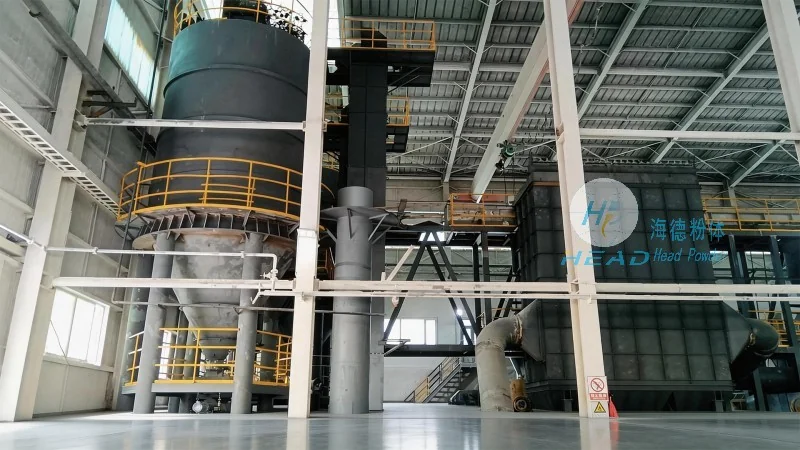
Conclusion and Practical Considerations
In conclusion, calcium carbonate pneumatic conveying is a well-established and effective method for transporting this important industrial material. The principles of pneumatic conveying, combined with the specific characteristics of calcium carbonate, enable the design of systems that are efficient, reliable, and tailored to the needs of various applications. The working scenes where this technology is applied exhibit a range of characteristics that require careful consideration of material properties, operational parameters, and end application requirements. The benefits of using pneumatic conveying, including material quality preservation, operational flexibility, and energy efficiency, make it a preferred choice for many industries. As industrial processes continue to evolve, the importance of efficient material handling systems like pneumatic conveying for calcium carbonate will likely remain high. Companies such as Shandong HeadPowder Engineering Co., Ltd., based in China, specialize in providing customized pneumatic conveying solutions that meet the specific needs of their clients, ensuring optimal performance and reliability in the transport of calcium carbonate. With their expertise in system design and implementation, they help industries achieve efficient and cost-effective material handling, supporting the smooth operation of production lines and the delivery of high-quality products.