

Principle and Working Scene Characteristics of Foam Particle Pneumatic Conveying Systems
HeadPowder, a leading engineering company based in Shandong, China, specializes in advanced material handling solutions. Among their innovative offerings is the foam particle pneumatic conveying system, a technology designed to efficiently transport bulk materials through an air-based system. This article explores the fundamental principles behind this system and highlights its key working scene characteristics, providing insights into its practical applications and benefits.
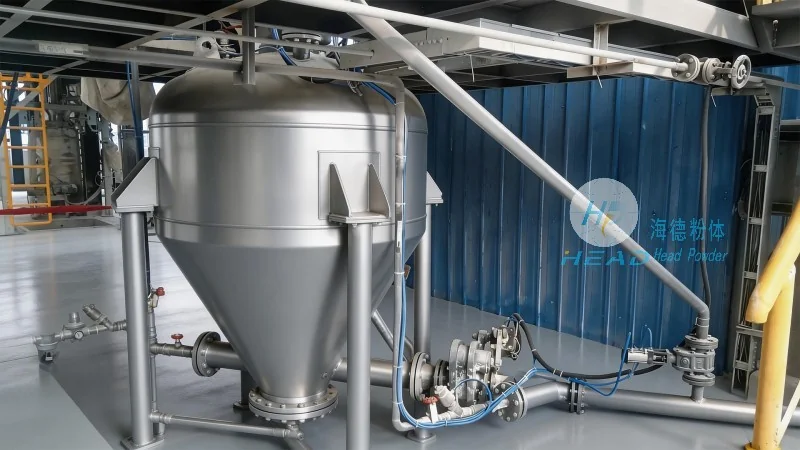
Understanding the Core Principle of Foam Particle Pneumatic Conveying
The foam particle pneumatic conveying system operates on the principle of creating a stable foam mixture by blending air and liquid with the bulk material. This foam, characterized by its low density and high fluidity, allows for the gentle yet efficient transportation of particles through pipelines. The system typically involves a pump or compressor that generates the necessary air pressure, while a foam generator injects the liquid into the air stream, forming the foam. As the foam flows through the conveying line, it carries the particles, ensuring minimal wear and tear on both the material and the equipment. The process is controlled by precise regulation of air pressure, liquid flow, and material feed rate, enabling consistent and reliable material transport.
Key Working Scene Characteristics and Applications
HeadPowder's foam particle pneumatic conveying systems are particularly suited for a variety of industrial applications where traditional conveying methods may face challenges. For instance, in the chemical and pharmaceutical industries, these systems are ideal for handling sensitive materials that require gentle handling to prevent degradation or contamination. The foam's cushioning effect minimizes particle impact, preserving product integrity and quality. In the food processing sector, the system is used to transport powders and granules, such as flour, sugar, or spices, without compromising their freshness or nutritional value. The hygienic design of the equipment, combined with the ability to maintain a sterile environment, makes it a preferred choice for food-grade applications.
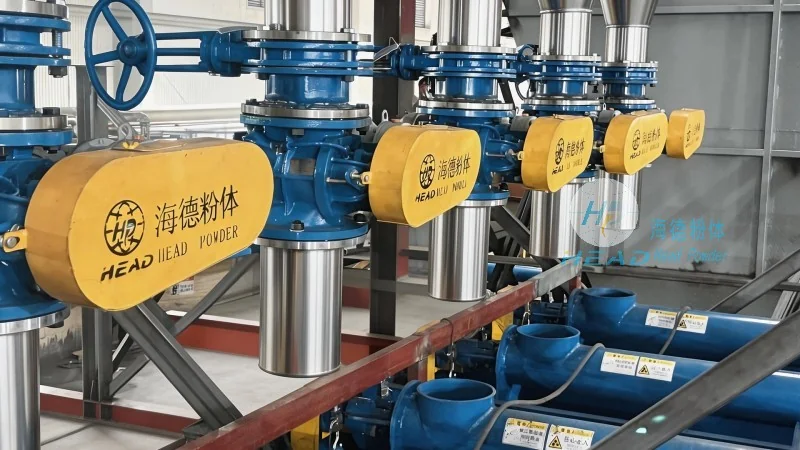
In the mining and mineral processing industry, the foam particle system excels at transporting fine powders and tailings. The high air-to-material ratio in the foam ensures efficient transport over long distances with minimal energy consumption. This is especially beneficial in remote mining sites where traditional belt conveyors may be impractical due to terrain or space constraints. The system's adaptability also allows for the conveyance of materials with varying particle sizes and densities, making it versatile for different mining operations.
Advantages and Performance Metrics in Practical Scenarios
One of the primary advantages of the foam particle pneumatic conveying system is its ability to handle a wide range of materials, from fine powders to coarse granules, with minimal maintenance. The foam's lubricating properties reduce friction within the pipeline, extending the lifespan of the conveying components. Additionally, the system operates with lower energy consumption compared to other pneumatic conveying methods, as the foam mixture requires less pressure to achieve the same transport efficiency. This results in cost savings for industrial operations, particularly in large-scale production facilities.
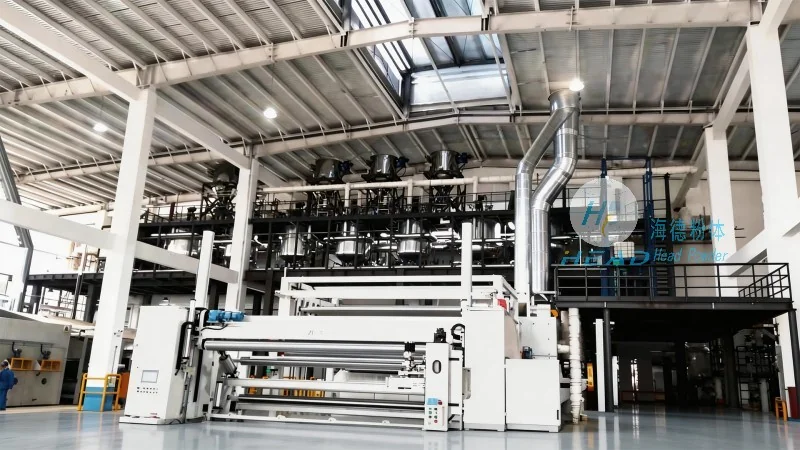
Performance metrics such as conveying capacity, pressure drop, and material handling efficiency are critical in evaluating the system's effectiveness. HeadPowder's systems are engineered to deliver high conveying capacities, often ranging from several hundred to several thousand kilograms per hour, depending on the application. The pressure drop across the pipeline is carefully managed to ensure optimal energy use, with advanced control systems allowing for real-time adjustments to maintain consistent performance. In practical working scenes, the system has demonstrated reliability in continuous operation, with minimal downtime due to its robust design and automated control features.
Conclusion: The Role of Foam Particle Pneumatic Conveying in Modern Material Handling
As industries continue to seek more efficient and sustainable material handling solutions, the foam particle pneumatic conveying system from HeadPowder stands out as a versatile and effective technology. By leveraging the principles of foam formation and air-based transport, this system addresses the challenges of transporting delicate or abrasive materials while maintaining operational efficiency. With its applications spanning multiple industries, from food processing to mining, the system represents a significant advancement in bulk material handling. HeadPowder's commitment to innovation and quality ensures that their foam particle pneumatic conveying systems meet the evolving needs of modern industrial operations, providing reliable and cost-effective solutions for material transport.