

Principle and Application Characteristics of Calcium Oxide Powder Pneumatic Conveying Systems
Calcium oxide powder, commonly known as quicklime, is a widely used industrial material in sectors such as construction, chemical processing, and environmental treatment. Efficient transportation of calcium oxide powder from production sites to processing facilities is critical for maintaining production efficiency and product quality. Pneumatic conveying systems are a preferred solution due to their ability to transport powders in a closed system, minimizing dust exposure and environmental impact.
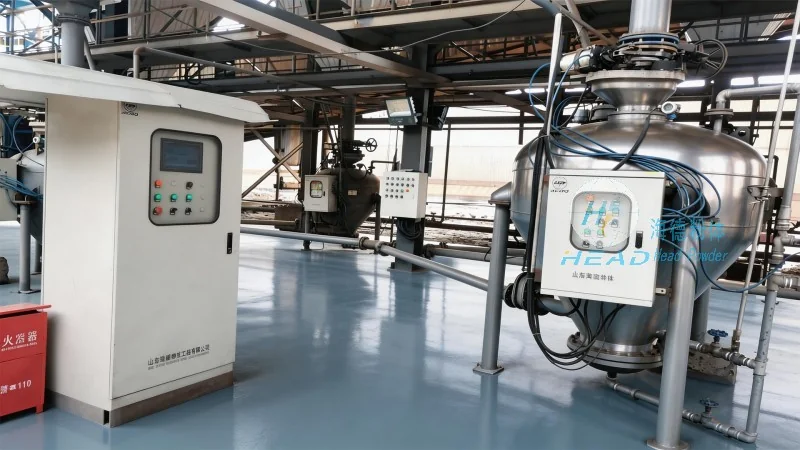
The Core Principle of Pneumatic Conveying for Calcium Oxide Powder
The fundamental principle of pneumatic conveying involves using compressed air or gases to transport solid particles through a pipeline. For calcium oxide powder, the system typically operates under positive pressure, where air forces the material from the source to the destination. This method ensures the powder is conveyed without external contact, reducing contamination risk and maintaining purity. Key components include a material hopper, rotary valve, conveying line, and receiver, each vital for smooth operation.
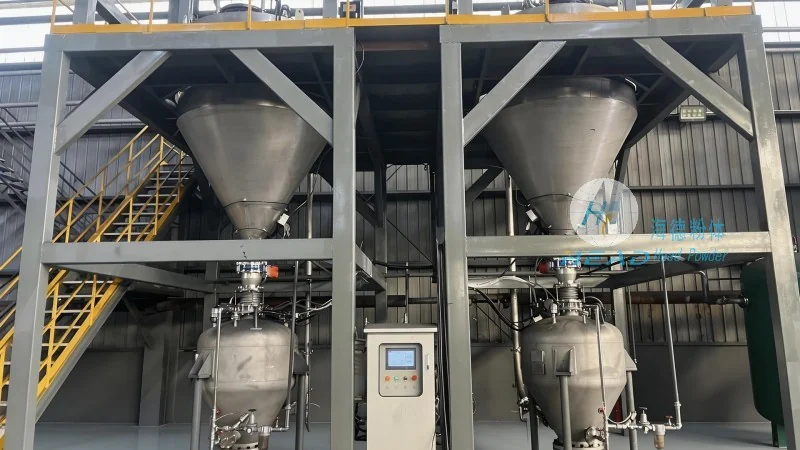
Key Components and Their Functions in the System
The pneumatic conveying system for calcium oxide powder comprises essential parts working in unison. The material hopper stores the powder, while the rotary valve controls discharge from the hopper into the conveying line. The conveying line, often stainless steel, resists abrasion and maintains airtightness. The receiver collects the material and may include a dust collection system. Compressed air from a blower or compressor provides the necessary pressure, with a control system monitoring pressure and flow rates for optimal operation.
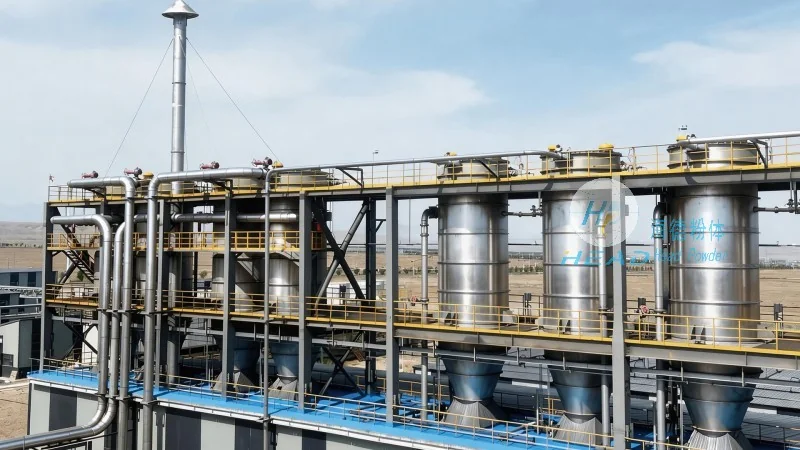
Advantages of Pneumatic Conveying for Calcium Oxide Powder Handling
Compared to traditional conveyors, pneumatic systems offer several benefits. The closed system reduces dust emissions, enhancing workplace safety and air quality. Flexibility in layout allows adaptation to facility needs, with the ability to handle short or long distances. Reduced maintenance is another advantage, as fewer moving parts lower wear and tear. The closed design also preserves material quality by preventing moisture absorption and contamination.
Application Scenarios and Operational Characteristics
Application characteristics vary by industrial process. In construction material production, the system transports powder from silos to mixing plants. In chemical processing, it moves reagents to reactors. Environmental treatment uses it for flue gas desulfurization or waste neutralization. Operational parameters like conveying velocity and pressure adjust based on particle size and density. Larger particles require higher air velocities to prevent clogging, while smaller particles need lower velocities for efficient transport.
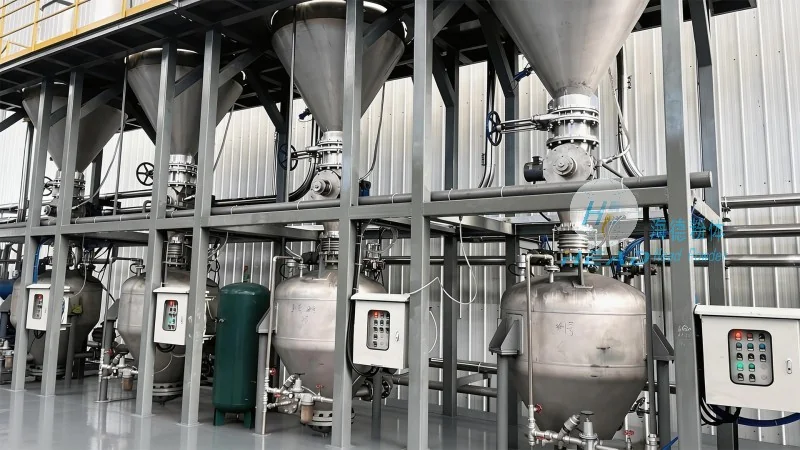
Case Study: Application in a Calcium Oxide Production Plant
Shandong HeadPowder Engineering Co., Ltd. successfully implemented a calcium oxide powder pneumatic conveying system in a large-scale production plant. The system transported powder from the production line to storage silos over 200 meters, equipped with a high-capacity blower, stainless steel line, and dust collection receiver. The plant saw improved efficiency and safety: dust emissions dropped by over 90%, enhancing air quality and worker health. The closed system minimized material loss, and real-time monitoring allowed parameter adjustments for optimal performance. This project highlights the effectiveness of pneumatic systems in handling calcium oxide powder and the expertise of Shandong HeadPowder Engineering Co., Ltd. in system design and implementation.