

Principle and Working Scene Characteristics of Air-Pneumatic Conveying Lines for Ternary Positive El
For manufacturers in the lithium battery industry, the efficient and reliable handling of ternary positive electrode materials is crucial to production efficiency and product quality. Shandong HeadPowder Engineering Co., Ltd., a leading provider in material handling solutions, specializes in designing and manufacturing air-pneumatic conveying lines tailored for the transportation of these advanced materials. This article explores the fundamental principles behind such systems and highlights the key characteristics of their operational scenarios.
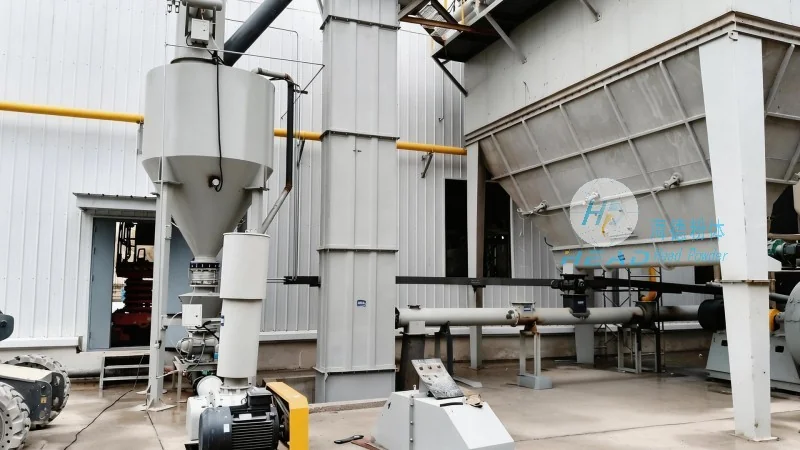
Understanding the Core Principle of Air-Pneumatic Conveying
The air-pneumatic conveying line operates on the principle of using compressed air to transport bulk materials through a pipeline system. In the context of ternary positive electrode materials, which are typically fine powders or granules, this method offers a dust-free, contactless, and highly efficient means of material transfer. The system typically consists of a hopper, a feeder, a conveying pipe, and a receiver. The feeder controls the material flow into the pipe, while the compressed air creates a flow that propels the material forward. This process ensures minimal material degradation and maintains the purity of the electrode powders, which is critical for battery performance.
Key Working Scene Characteristics
The operational characteristics of air-pneumatic conveying lines for ternary positive electrode materials are tailored to meet the specific demands of modern battery production environments. These systems are designed to handle materials with varying particle sizes and moisture content, ensuring consistent performance across different production stages. One of the primary advantages is the ability to integrate seamlessly with automated production lines, reducing manual handling and associated risks. The dust-free nature of the system also enhances workplace safety and compliance with environmental regulations, making it suitable for both indoor and outdoor installations.
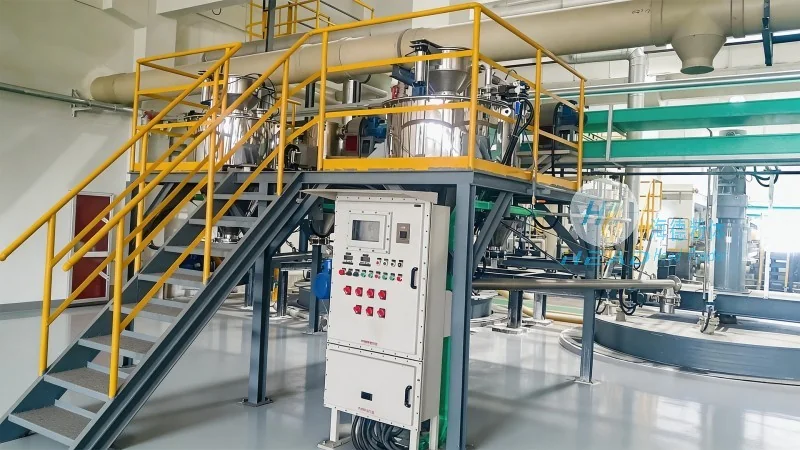
Application Scenarios and Operational Efficiency
Shandong HeadPowder Engineering Co., Ltd. has successfully implemented air-pneumatic conveying lines in various production scenarios, including material feeding into mixing and coating processes, as well as transferring finished electrode powders to storage or packaging units. The flexibility of these systems allows for adjustments in conveying distance and material flow rate, adapting to different production scales. For instance, in large-scale battery manufacturing plants, the conveying lines can cover significant distances while maintaining material integrity, ensuring that the electrode powders reach their destination without agglomeration or degradation. This not only improves production throughput but also reduces downtime associated with material handling issues.
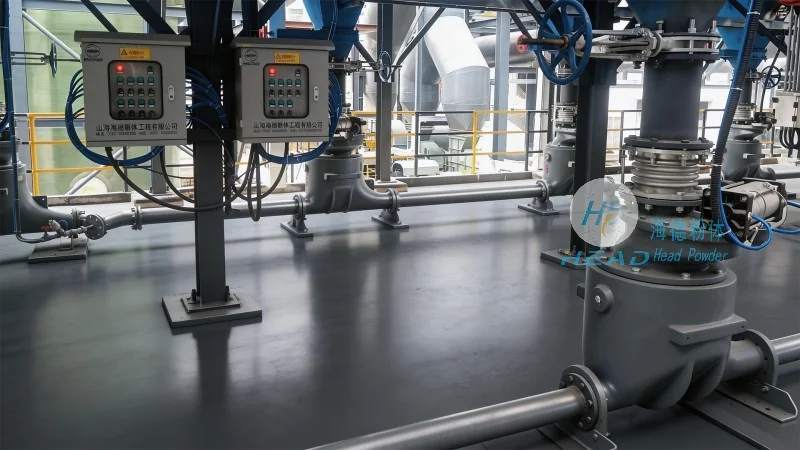
Advantages in Material Handling and Quality Control
When compared to traditional mechanical conveying methods, air-pneumatic systems offer several advantages that are particularly beneficial for sensitive materials like ternary positive electrodes. The contactless nature of the process prevents contamination from equipment surfaces, preserving the material's purity and performance characteristics. Additionally, the system's ability to operate under controlled pressure and temperature conditions minimizes the risk of material oxidation or degradation, which can negatively impact battery performance. This is especially important for high-energy density batteries where material quality directly correlates with battery life and efficiency.
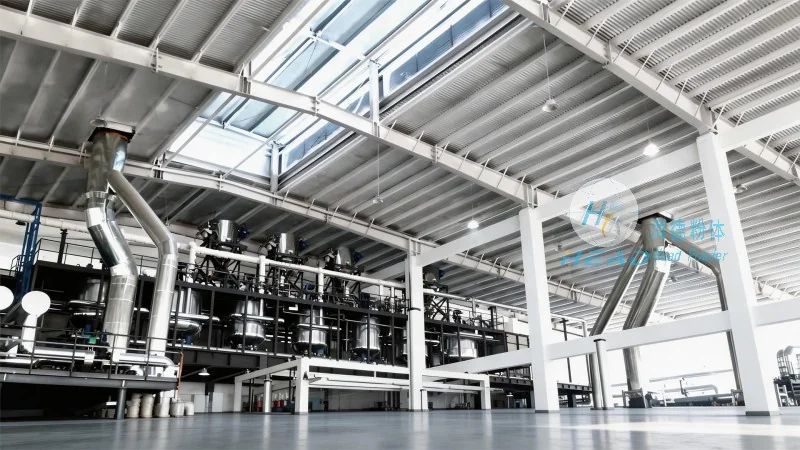
Customization and Scalability for Diverse Production Needs
HeadPowder Engineering recognizes that each battery production facility has unique requirements. Therefore, their air-pneumatic conveying lines are designed with customization in mind. Clients can specify the conveying capacity, pipeline length, and material handling speed to match their production volumes. The systems can be integrated with existing production equipment, allowing for a smooth transition without major disruptions. Furthermore, the modular design of the conveying lines enables easy expansion as production scales up, providing long-term value and adaptability. This scalability is a key factor for manufacturers looking to invest in equipment that will support their growth over time.
Conclusion: Enhancing Production with Reliable Conveying Solutions
In conclusion, the air-pneumatic conveying line for ternary positive electrode materials represents a sophisticated solution for modern battery production. By leveraging the principles of pneumatic transport, these systems offer efficient, safe, and high-quality material handling. Shandong HeadPowder Engineering Co., Ltd. has demonstrated expertise in developing and implementing such systems, ensuring that manufacturers can meet the demands of the rapidly evolving battery industry. The combination of technical precision and practical application makes these conveying lines an essential component for any facility focused on producing high-performance lithium batteries.