

Principle and Working Scene Characteristics of Dust Pneumatic Conveying System Equipment
HeadPowder, a leading manufacturer based in Shandong, China, specializes in the design, production, and supply of advanced dust pneumatic conveying systems. These systems are engineered to efficiently transport bulk powders and granular materials over long distances with minimal loss and contamination. The core principle of pneumatic conveying lies in using compressed air or other gases to create a flow that moves the material through a pipeline network. This method offers significant advantages over traditional mechanical conveying, such as reduced maintenance, lower energy consumption, and enhanced safety in handling potentially hazardous powders.
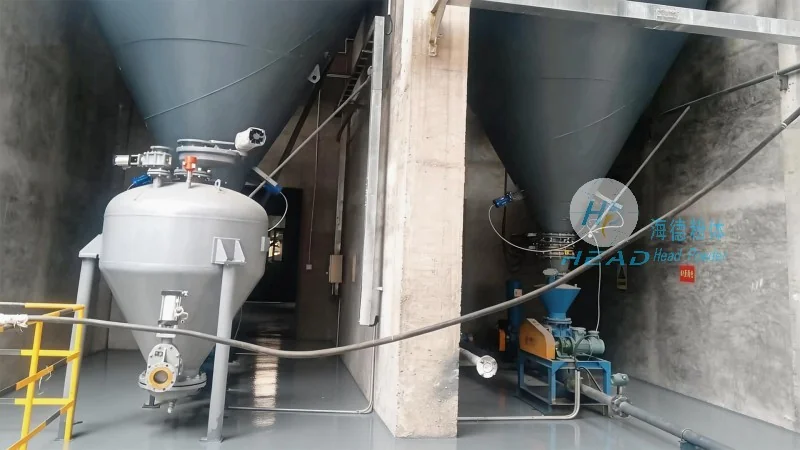
Principle of Dust Pneumatic Conveying Systems
The fundamental principle of dust pneumatic conveying systems involves the creation of a pressure differential within a closed pipeline system. Compressed air is introduced into the system, generating a flow that lifts and propels the material particles. The system typically operates under either positive pressure (where the pipeline is pressurized above atmospheric pressure) or negative pressure (where the pipeline is slightly vacuumed). The choice between these modes depends on the material properties, the distance of transport, and the environmental requirements. Positive pressure systems are often preferred for long-distance transport and handling of fine powders, as they provide better control over dust emissions and material flow. Negative pressure systems, on the other hand, are suitable for short-distance transport and applications where dust containment is critical, such as in food processing or pharmaceutical industries.
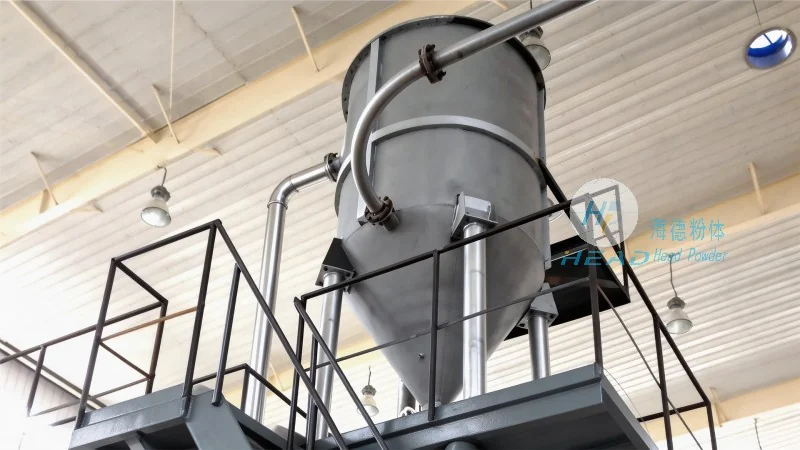
Working Scene Characteristics of Dust Pneumatic Conveying Systems
Dust pneumatic conveying systems are widely applied in various industrial sectors, each presenting unique characteristics that influence the system design and operation. In the chemical industry, these systems are used to transport raw materials like powders and granules from storage silos to processing units, ensuring a continuous and clean production flow. The systems are also employed in the food and beverage sector, where hygiene and product purity are paramount. Here, dust pneumatic conveying helps maintain a sterile environment by minimizing direct human contact with the material and reducing the risk of cross-contamination. In the pharmaceutical industry, the systems are adapted to meet stringent regulatory standards, incorporating features like HEPA filters and enclosed transfer points to prevent particle contamination and ensure product safety. Additionally, in the mining and mineral processing industries, these systems are utilized to transport ore and fine powders from extraction sites to processing plants, optimizing material handling efficiency and reducing operational costs.
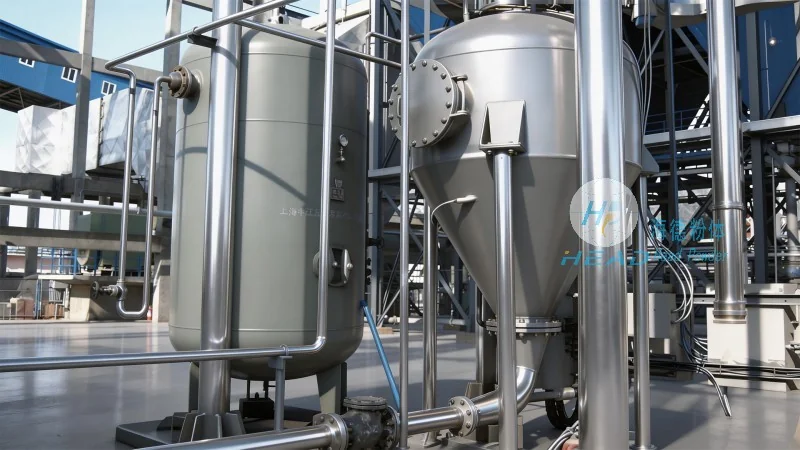
Key Features and Advantages in Different Working Scenarios
Across diverse working scenarios, dust pneumatic conveying systems exhibit several key features that enhance their performance and adaptability. One of the primary advantages is the ability to handle a wide range of material types, from fine powders with low bulk density to coarse granules with high bulk density. This versatility allows the systems to be integrated into existing production lines without significant modifications. Another critical feature is the system's ability to operate under different pressure conditions, enabling flexibility in long-distance and short-distance transport. For instance, in large-scale industrial plants, positive pressure systems are used to convey materials over several kilometers, while negative pressure systems are employed for shorter distances within the plant, such as from a mixer to a storage silo. The systems also offer improved safety by eliminating the need for manual handling of powders, reducing the risk of dust explosions and inhalation hazards. Furthermore, the enclosed nature of the conveying process minimizes environmental impact by preventing dust dispersion into the atmosphere, which is particularly important in compliance with environmental regulations. In summary, the working scene characteristics of dust pneumatic conveying systems are tailored to meet the specific demands of various industries, ensuring efficient, safe, and reliable material transport.