

Principle and Working Scene Characteristics of Diatomite Pneumatic Conveying System Equipment
Diatomite, a natural sedimentary rock composed primarily of fossilized diatoms, is widely used in various industrial applications due to its unique properties such as high porosity, lightweight, and excellent filtration capabilities. The transportation of diatomite powder from production sites to processing facilities or storage areas often requires efficient and reliable methods. Pneumatic conveying systems have emerged as a preferred solution for handling diatomite, offering advantages like dust-free operation, low maintenance, and the ability to transport materials over long distances. This article delves into the fundamental principles of diatomite pneumatic conveying systems and explores the key characteristics of their working scenes, providing insights into their practical applications and operational benefits.
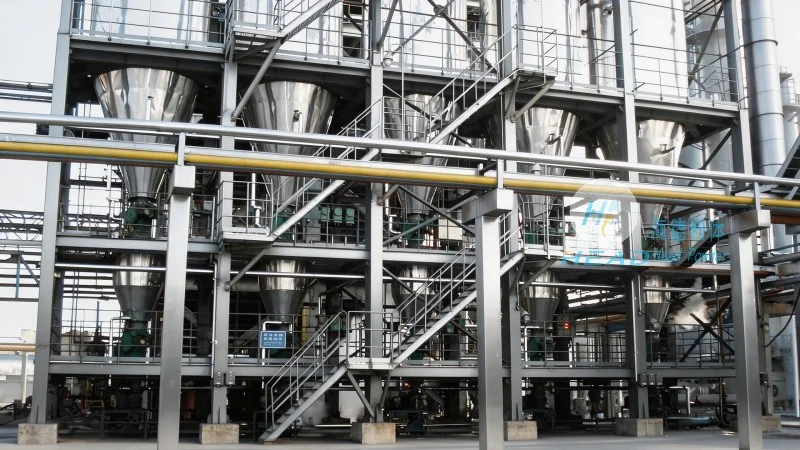
Core Principles of Pneumatic Conveying Technology
The operation of a diatomite pneumatic conveying system is based on the fundamental principle of using air or gas to transport particulate materials through a pipeline. The system typically consists of a material hopper, a feeder, a conveyor line, and a receiver. The process begins with the diatomite powder being fed into the system from the hopper. A feeder, often a rotary valve or a screw feeder, controls the flow rate of the material into the conveyor line. Simultaneously, a blower or compressor generates a high-velocity air stream that propels the diatomite particles along the pipeline. The air and material mixture travels through the conveyor line, which may include bends, expansions, or restrictions to maintain the flow. At the receiving end, a separator or cyclone separates the diatomite from the air, allowing the material to be collected in a container or storage silo. The separated air is then either recirculated or discharged, depending on the system design. This closed-loop or open-loop system ensures efficient and continuous transport of diatomite, minimizing material loss and environmental contamination.
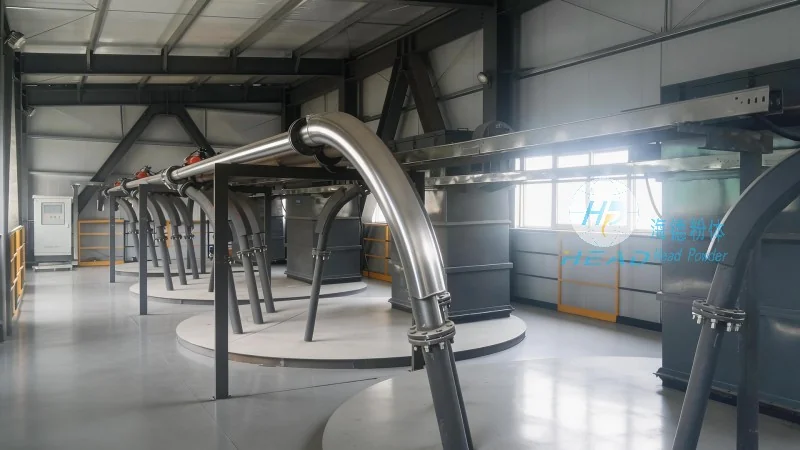
Key Working Scene Characteristics
The working scene characteristics of diatomite pneumatic conveying systems are influenced by several factors, including the nature of the material, the system design, and the operational environment. One of the primary characteristics is the need for a dust-free environment, as diatomite is a fine powder that can easily generate dust during handling. The system's design incorporates dust collection and filtration mechanisms to ensure compliance with environmental regulations and maintain workplace safety. Another characteristic is the system's ability to handle varying particle sizes and moisture content in diatomite. The conveying velocity and air pressure are adjusted to accommodate different material properties, ensuring stable and efficient transport. Additionally, the system's scalability allows it to be adapted for different production capacities, from small-scale laboratory applications to large industrial plants. The working scene also considers the layout of the facility, with the conveyor line often integrated into the existing production line to minimize material handling steps and improve overall efficiency.
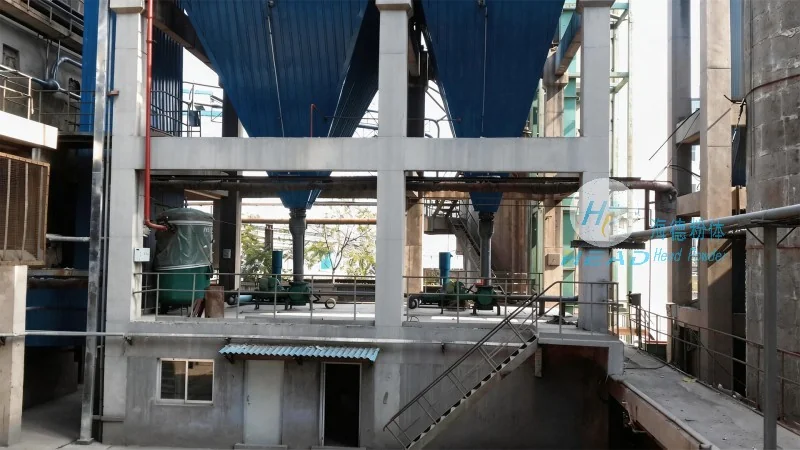
Application Scenarios and Operational Benefits
Diatomite pneumatic conveying systems are widely used in various industrial sectors, including the chemical, pharmaceutical, food, and construction industries. In the chemical industry, diatomite is used as a filter aid in water treatment and as a raw material in the production of silica-based products. The pneumatic conveying system efficiently transports diatomite from the production area to the filter or processing unit, ensuring a consistent supply of material. In the pharmaceutical industry, diatomite is used as an excipient in drug formulations, and the system maintains a sterile and dust-free environment during transport, meeting stringent quality standards. The construction industry utilizes diatomite as a lightweight aggregate in concrete and plaster, and the system facilitates the transport of diatomite from storage to mixing sites, improving production efficiency. The operational benefits of these systems include reduced labor costs, minimized material loss, and improved safety by eliminating manual handling of fine powders. Furthermore, the system's ability to operate continuously without frequent stops enhances productivity and reduces downtime.
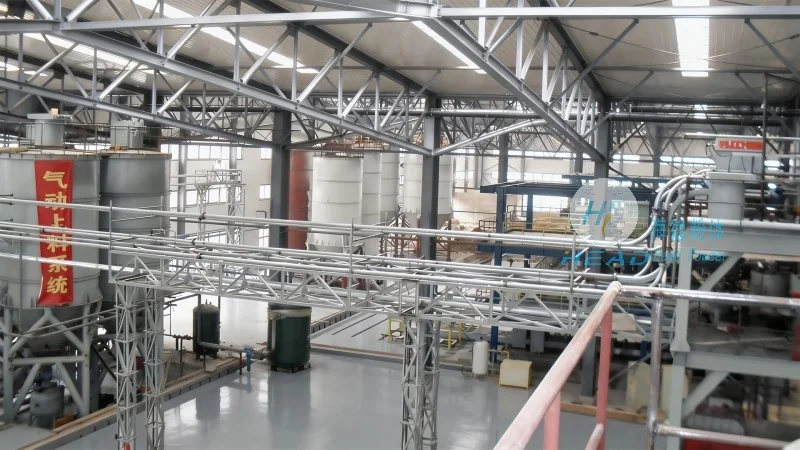
Conclusion and Company Overview
In conclusion, diatomite pneumatic conveying systems are a critical component in the efficient handling and transportation of diatomite powder. The fundamental principles of pneumatic conveying, combined with the specific characteristics of diatomite, enable reliable and sustainable material transport. The working scene characteristics, such as dust control and material adaptability, ensure that these systems meet the demands of various industrial applications. As a leading provider in the field, Shandong HeadPowder Engineering Co., Ltd. specializes in designing and manufacturing customized pneumatic conveying solutions tailored to the unique needs of diatomite processing facilities. With a focus on quality, efficiency, and environmental compliance, the company ensures that its systems deliver optimal performance and contribute to the overall success of diatomite handling processes. Based in Shandong, China, HeadPowder Engineering Co., Ltd. leverages its expertise to provide innovative solutions that enhance the productivity and sustainability of diatomite handling processes.