

Principles and Working Scene Characteristics of Rice Husk Ash Powder Conveying
Understanding the principles and operational characteristics of rice husk ash powder conveying is crucial for industries that handle this specific material. This article provides an in-depth look at the mechanisms involved and the typical environments where such systems are applied, with a focus on the expertise of Shandong HeadPowder Engineering Co., Ltd., a leading provider in this field.
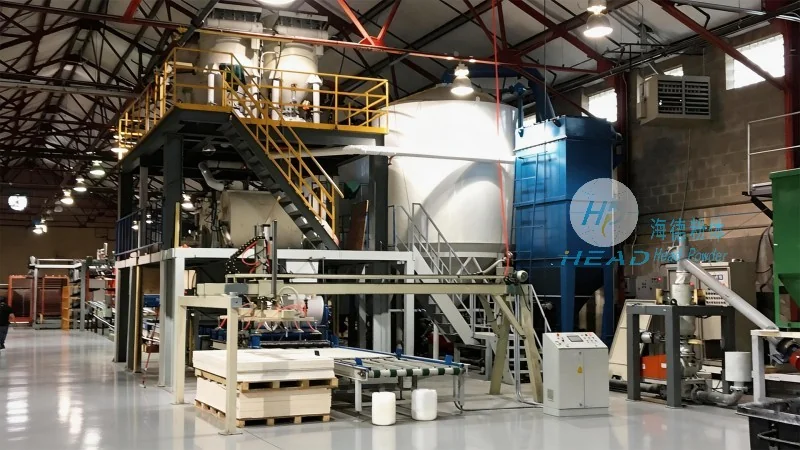
Overview of Rice Husk Ash Powder Conveying
Rice husk ash, a byproduct of rice processing, is a valuable material used in various applications such as construction, agriculture, and industrial processes. Efficient and reliable powder conveying systems are essential to transport this material from processing sites to storage or application points. The conveying process involves several key components and principles that ensure safe, effective, and consistent material movement.
Core Principles of Powder Conveying
The fundamental principle behind rice husk ash powder conveying is the use of mechanical systems to transport dry powders through pipelines or other conduits. These systems typically employ air or mechanical forces to move the material. For rice husk ash, which is a fine powder with specific properties like low bulk density and potential for static charge, specialized equipment is required to prevent issues such as clogging, segregation, and dust emissions. The conveying methods may include pneumatic conveying (using air pressure), mechanical conveying (using screws, belts, or buckets), or a combination of both, depending on the material characteristics and operational requirements.
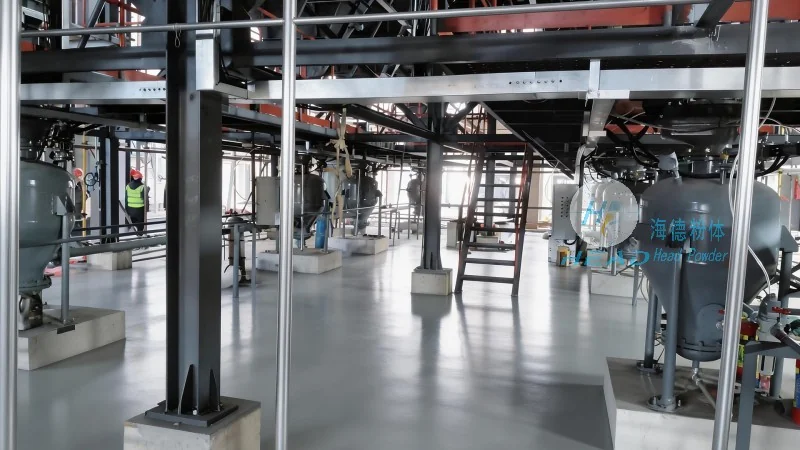
Working Scene Characteristics
The working scene characteristics of rice husk ash powder conveying systems vary based on the industry and application. In agricultural processing facilities, for example, the system may need to handle large volumes of ash from multiple processing units and transport it to storage silos or for further processing. In construction material production, the conveying system might be integrated into a larger production line, requiring precise control over the material flow to ensure consistent quality of the final products. Additionally, the environment may involve high temperatures or humidity, which can affect the material's properties and the performance of the conveying equipment. Shandong HeadPowder Engineering Co., Ltd. specializes in designing and implementing conveying systems tailored to these diverse working conditions, ensuring optimal performance and reliability.
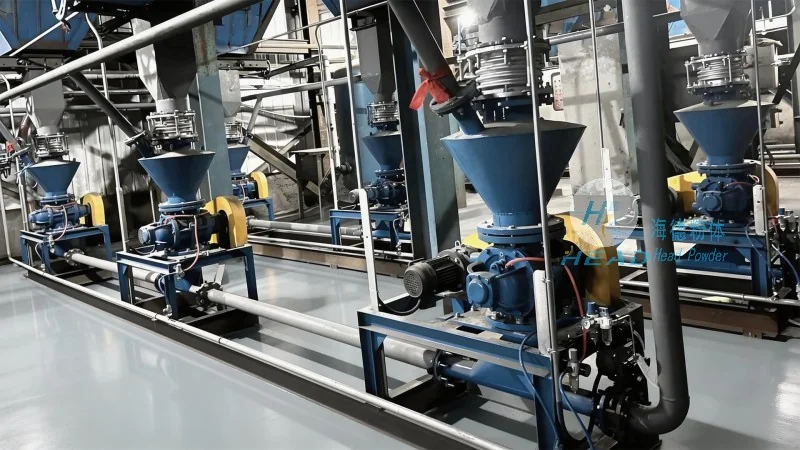
Key Components and Technologies
Effective rice husk ash powder conveying systems rely on several key components. These include feeders to control the material flow rate, conveyors (such as pneumatic or mechanical types) to transport the material, and control systems to monitor and adjust the process. Pneumatic conveying systems, for instance, use compressed air to move the powder through pipelines, while mechanical conveyors use rotating parts to push the material along. The choice of technology depends on factors like the material's particle size, moisture content, and the distance to be conveyed. Advanced technologies, such as positive displacement blowers and cyclone separators, are often incorporated to enhance efficiency and reduce energy consumption. Shandong HeadPowder Engineering Co., Ltd. utilizes cutting-edge technologies and engineering expertise to design systems that meet the specific needs of each client, ensuring long-term operational efficiency and minimal maintenance.
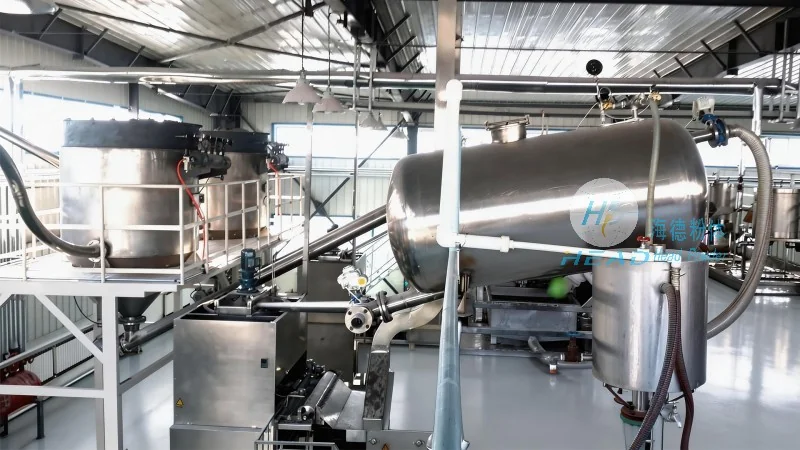
Application Examples and Operational Efficiency
Rice husk ash powder conveying systems are widely used in various industrial settings. In the construction industry, the ash is often used as a raw material in the production of cement, concrete, and other building materials. The conveying system must be capable of handling large volumes of ash and delivering it to the production line at a consistent rate. In agricultural applications, the ash may be used as a fertilizer or soil amendment, requiring the system to transport the material to storage or application sites. The operational efficiency of these systems is critical, as any downtime or inefficiency can impact production schedules and costs. Shandong HeadPowder Engineering Co., Ltd. focuses on developing systems that maximize operational efficiency, minimize energy consumption, and ensure consistent material flow, thereby helping clients achieve their production goals while maintaining cost-effectiveness.
Conclusion
In conclusion, the principles and working scene characteristics of rice husk ash powder conveying are essential for industries that utilize this valuable material. The effective design and implementation of conveying systems, as exemplified by the expertise of Shandong HeadPowder Engineering Co., Ltd., play a vital role in ensuring efficient material handling, consistent product quality, and operational reliability. By understanding the specific requirements of rice husk ash and the diverse working environments, engineers can develop tailored solutions that meet the needs of various industries, contributing to the sustainable use of this resource.