

Principle and Operational Characteristics of Lithium Fluoride Powder Conveying Systems
Understanding the fundamental principles and operational scenarios of lithium fluoride powder conveying systems is crucial for industries dealing with this specialized material. This article explores the core mechanisms behind these systems and highlights key aspects of their application environments, providing insights into how they function and where they are typically employed.
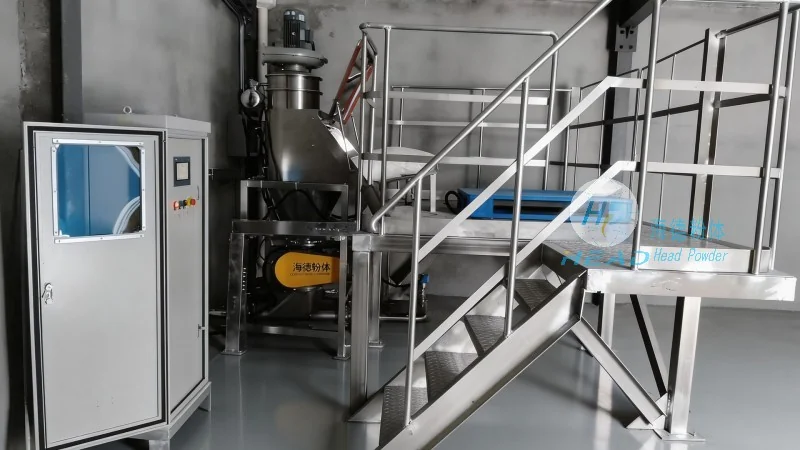
Core Principles of Powder Conveying Technology
The lithium fluoride powder conveying system operates on principles of pneumatic or mechanical transport, depending on the specific design and material properties. For lithium fluoride, which is a fine, hygroscopic powder, the system must be engineered to handle its unique characteristics, such as low bulk density and potential reactivity. The primary goal is to ensure efficient, safe, and consistent movement of the material from storage to processing or packaging stages. Key components include feeders, conveyors, and control systems that work in tandem to maintain flow rates and prevent material degradation or blockages.
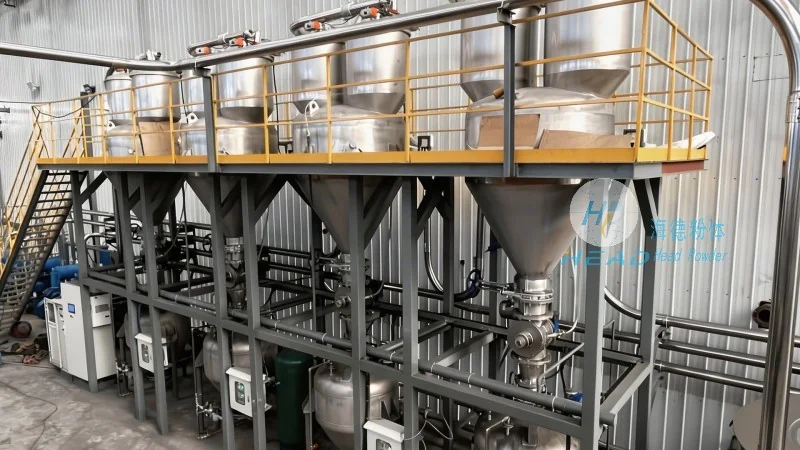
Key Operational Characteristics and Application Scenarios
When considering the operational characteristics of lithium fluoride powder conveying systems, several factors come into play. The system's design must accommodate the material's flowability and potential dust generation, which are critical for maintaining process efficiency and safety. In industrial settings, these systems are commonly used in chemical manufacturing, pharmaceutical production, and material processing facilities where lithium fluoride is a key component in products like ceramics, glass, or specialty chemicals. The operational scenarios vary from continuous production lines to batch processing, with the system adapting to different throughput requirements. For example, in a chemical plant, the conveying system may integrate with reactors and mixing equipment to ensure a steady supply of lithium fluoride for reaction processes. In pharmaceutical applications, the system must meet stringent hygiene and contamination control standards, often requiring enclosed, dust-tight designs to protect both the material and the environment.
Company Overview: Shandong HeadPowder Engineering Co., Ltd.
HeadPowder, a leading provider of specialized powder handling solutions, offers advanced lithium fluoride powder conveying systems tailored to meet the demands of various industries. With a focus on engineering excellence and customer-specific solutions, the company has established itself as a trusted partner for businesses requiring reliable and efficient material transport. HeadPowder's systems are designed with precision, incorporating state-of-the-art technology to handle the unique challenges posed by lithium fluoride, ensuring optimal performance and longevity. The company's commitment to quality and innovation is reflected in its comprehensive product line, which includes custom-designed conveying equipment suitable for diverse operational environments.
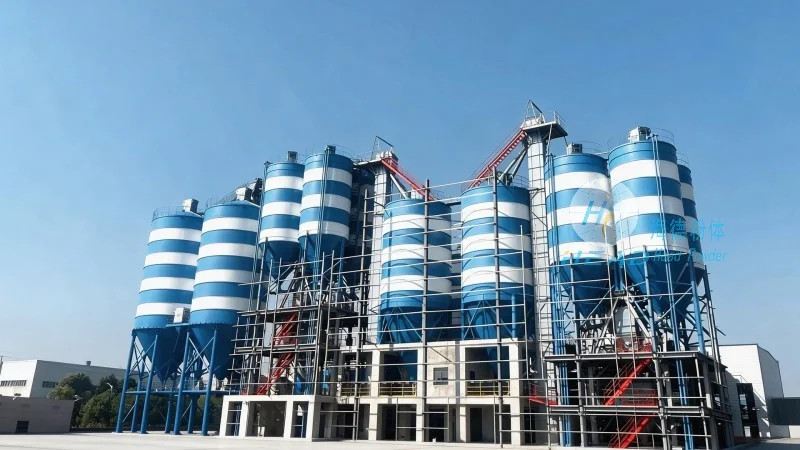
Conclusion and Practical Applications
As industries continue to rely on lithium fluoride in their manufacturing processes, the importance of efficient and reliable powder conveying systems cannot be overstated. The principles and operational characteristics discussed here underscore the need for specialized equipment that can handle the material's properties while maintaining safety and productivity. By understanding these aspects, businesses can make informed decisions about implementing or upgrading their conveying systems, ultimately enhancing operational efficiency and reducing downtime. HeadPowder's expertise in this field positions them as a key resource for companies seeking to optimize their lithium fluoride handling processes.