

Principle and Working Scene Characteristics of PTFE Powder Conveying Systems
PTFE (Polytetrafluoroethylene) powder conveying systems are critical components in industrial applications where the handling of specialized powders is essential. These systems are designed to efficiently transport PTFE powder, a material known for its non-stick, chemical resistance, and thermal stability properties, from storage to processing equipment. Understanding the underlying principles and typical working scenarios of such systems is vital for optimizing material flow, ensuring product quality, and enhancing operational efficiency in various industrial settings.
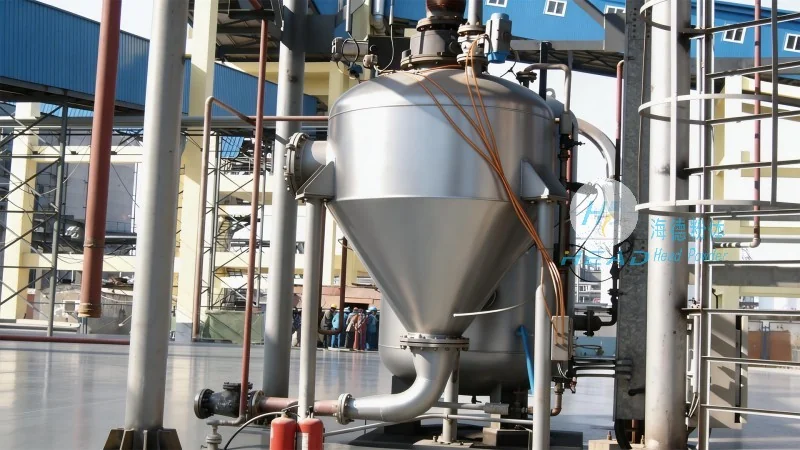
Core Principles of PTFE Powder Conveying Systems
The fundamental principle of PTFE powder conveying systems revolves around the use of specialized equipment to move powders through a controlled environment. Key components typically include hoppers, feeders, conveying mechanisms (such as pneumatic or mechanical systems), and control units. The design of these systems must address the unique properties of PTFE powder, which can be abrasive, static-prone, and sensitive to moisture. For instance, PTFE is often used in applications like coating, molding, and manufacturing of high-performance parts, where consistent powder flow is crucial. The conveying process must minimize particle degradation, agglomeration, or contamination, which could compromise the final product's quality. Therefore, the system's design incorporates features like low shear mechanisms, proper sealing, and temperature control to maintain the powder's integrity throughout the transport process.
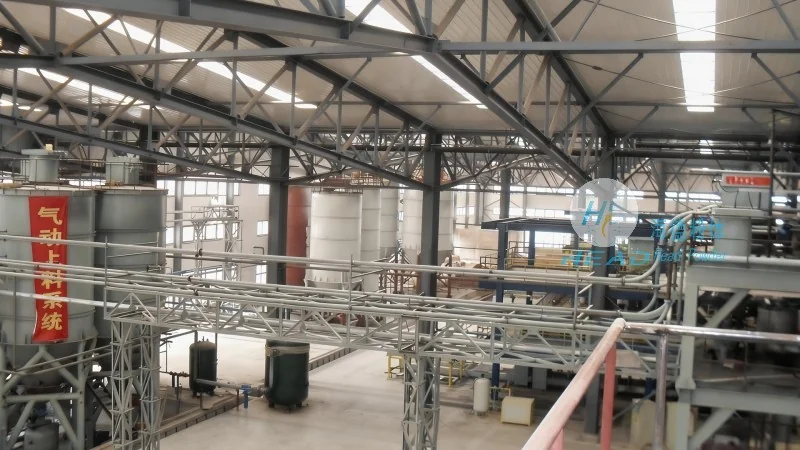
Working Scene Characteristics of PTFE Powder Conveying Systems
PTFE powder conveying systems are employed in diverse industrial scenarios, each with specific requirements that influence system design and operation. One common application is in the production of PTFE-based coatings or linings for industrial equipment. In this scenario, the system must deliver a consistent, uniform flow of PTFE powder to a spray or coating apparatus, ensuring that the final coating thickness and uniformity meet strict specifications. The working environment may involve high temperatures or aggressive chemicals, necessitating materials that can withstand such conditions, such as stainless steel or corrosion-resistant alloys for the conveying components.
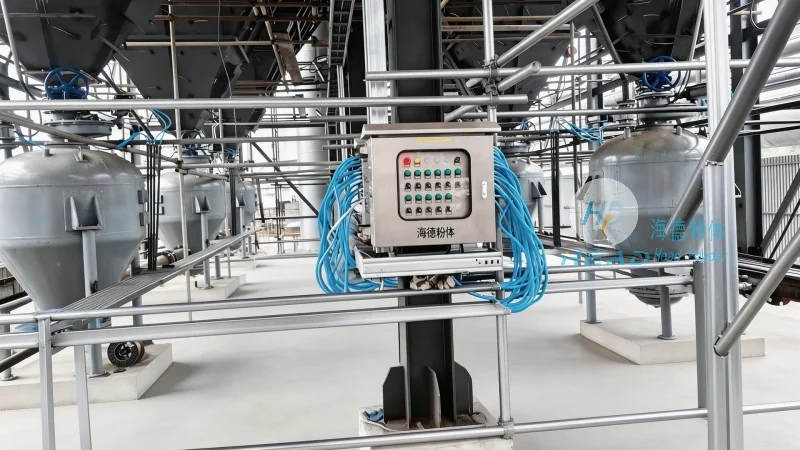
In another scenario, PTFE powder is used in the manufacturing of high-performance seals, gaskets, or bearings. Here, the conveying system must handle fine PTFE powders with high precision, often requiring a closed-loop system to prevent dust contamination and maintain particle size distribution. The system's control mechanisms may include sensors to monitor powder level, flow rate, and pressure, allowing for real-time adjustments to maintain optimal performance. Additionally, the working environment may involve strict cleanliness standards, as PTFE powders can be difficult to clean from surfaces, making dust containment a critical factor in system design.
Company Overview: Shandong HeadPowder Engineering Co., Ltd.
Shandong HeadPowder Engineering Co., Ltd., commonly known as headpowder, specializes in the design, manufacturing, and integration of advanced powder handling systems, including PTFE powder conveying solutions. With a focus on industrial efficiency and material integrity, the company leverages years of experience in powder technology to develop customized systems tailored to specific customer needs. The company's headquarters is located in Shandong, China, where it operates a state-of-the-art facility equipped with cutting-edge technology and skilled engineering teams. By combining innovative design with rigorous quality control, headpowder ensures that its PTFE powder conveying systems meet the highest industry standards, providing reliable and efficient solutions for a wide range of industrial applications.