

Principle and Working Scene Characteristics of Ferrous Oxide Material Handling Systems
For industrial applications requiring efficient and reliable transportation of ferrous oxide materials, the design and operation of specialized material handling systems play a crucial role. This article explores the fundamental principles behind ferrous oxide material handling systems, as well as the key characteristics of their operational environments. By understanding these aspects, industries can optimize material flow, enhance safety, and improve overall operational efficiency. As a leading provider in the field, Shandong HeadPowder Engineering Co., Ltd. (headpowder) specializes in developing customized material handling solutions tailored to the unique needs of ferrous oxide processing industries.
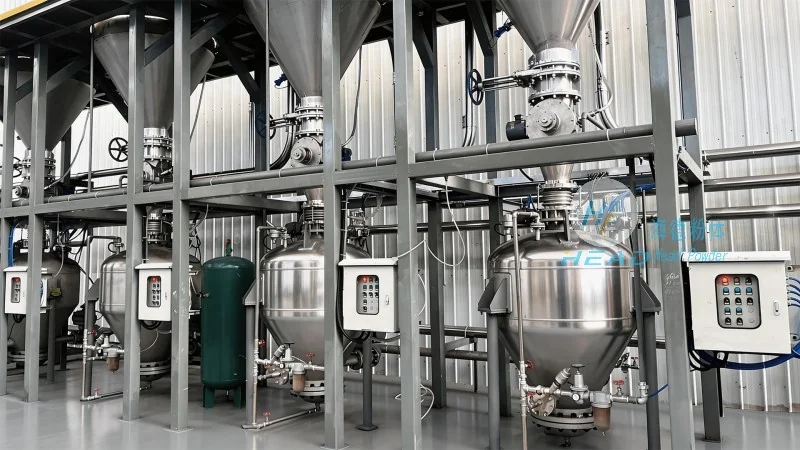
System Principle: Efficient Material Transport Mechanisms
The core of a ferrous oxide material handling system lies in its ability to move bulk materials through a controlled process. These systems typically incorporate components such as conveyor belts, pneumatic conveyors, or mechanical feeders, each tailored to the specific properties of ferrous oxide. The principle revolves around ensuring consistent material flow, minimizing downtime, and maintaining material integrity throughout the transport process. Advanced engineering solutions, such as variable speed drives and automated control systems, further enhance the system's adaptability to varying production demands. The design emphasizes energy efficiency and durability, addressing the challenges posed by ferrous oxide's physical characteristics, including its density (approximately 5 g/cm³), which can affect conveyor belt load capacity, and its tendency to generate dust, requiring effective dust control measures. For instance, belt conveyors are commonly used for horizontal or slight incline transport, while pneumatic conveyors are ideal for vertical or long-distance transport, especially in environments where dust containment is critical. Mechanical feeders, such as rotary valves or screw conveyors, are often integrated to regulate the flow rate and prevent material buildup, ensuring smooth operation.
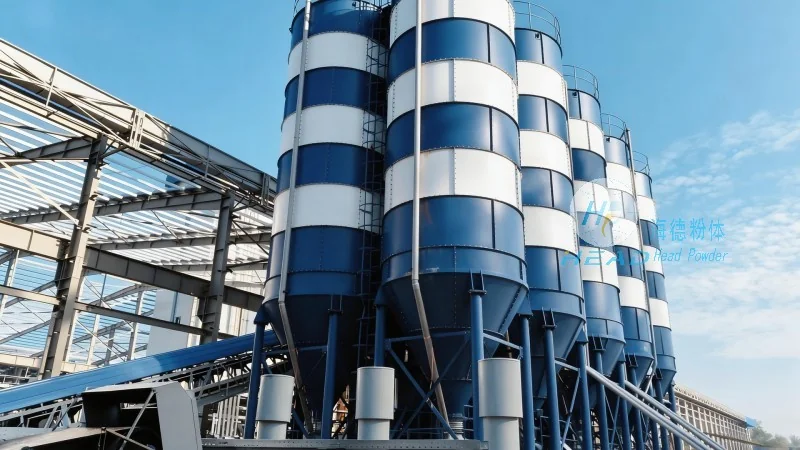
Working Scene Characteristics: Tailored to Industrial Needs
The operational environment of ferrous oxide material handling systems is characterized by specific industrial requirements that influence system design and performance. These systems are often deployed in settings such as mining, steel production, and chemical processing facilities, where large volumes of ferrous oxide need to be moved between processing stages. The working scene characteristics include high throughput demands, the need for dust control measures, and adherence to safety regulations. For instance, in steel mills, ferrous oxide may be transported from storage silos to blast furnaces, requiring systems that can handle high temperatures and abrasive materials. The blast furnace environment demands robust construction materials, such as stainless steel or high-grade alloys, to withstand thermal stress and corrosion. In mining operations, the systems must be robust enough to withstand harsh conditions, including extreme temperatures, moisture, and heavy loads. The use of heavy-duty components, such as reinforced conveyor frames and wear-resistant belts, is essential to ensure longevity and reliability. In chemical processing plants, the systems must comply with stringent environmental regulations, particularly regarding dust emissions and material contamination. Advanced filtration systems and enclosed conveyor designs are often employed to minimize environmental impact and maintain material purity.
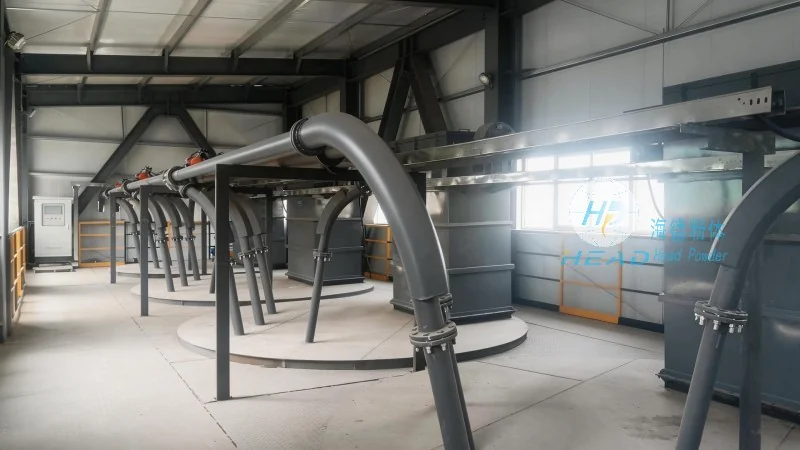
Application Scenarios: Diverse Industrial Uses
Ferrous oxide material handling systems find applications across various industrial sectors, each with unique operational requirements. In the steel industry, these systems are critical for transporting raw ferrous oxide to blast furnaces, where it is used as a key ingredient in steel production. The systems must be capable of handling large quantities of material while maintaining precise control over flow rates. For example, in a typical steel mill, a belt conveyor system may transport 100 tons of ferrous oxide per hour, with adjustable speed controls to match the furnace's consumption rate. The integration of load cells and flow meters allows for real-time monitoring of material quantity, enabling operators to optimize production schedules. In chemical processing, ferrous oxide is often used as a catalyst or raw material in processes such as oxidation or reduction reactions. The handling systems must ensure minimal contamination and consistent material quality, as even small impurities can affect the final product's properties. In recycling facilities, ferrous oxide material handling systems are employed to sort and transport ferrous metal scraps, contributing to efficient waste management and resource recovery. These systems often include magnetic separators to separate ferrous materials from non-ferrous waste, followed by conveyor belts to transport the sorted ferrous material to storage or processing areas. The ability to handle mixed waste streams and separate ferrous components efficiently makes these systems invaluable in recycling operations.