

Principle and Working Scene Characteristics of Ferrous Sulfate Material Handling Systems
Ferrous sulfate, also known as iron(II) sulfate, is a widely used chemical compound in various industrial applications, including water treatment, agriculture, and chemical manufacturing. The efficient handling and transportation of ferrous sulfate are crucial for maintaining production efficiency and ensuring product quality. This article delves into the fundamental principles of ferrous sulfate material handling systems and highlights the key characteristics of their operational environments.
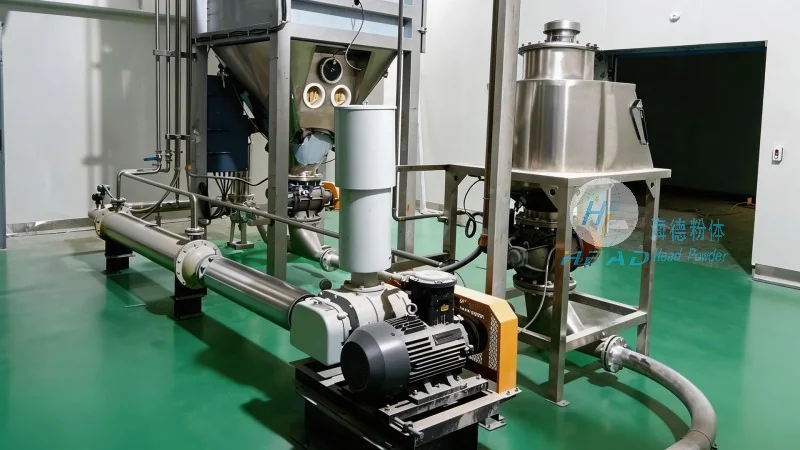
Core Principles of Ferrous Sulfate Material Handling Systems
The design and operation of ferrous sulfate material handling systems are based on several core principles that ensure safe, reliable, and efficient material transport. These principles include:
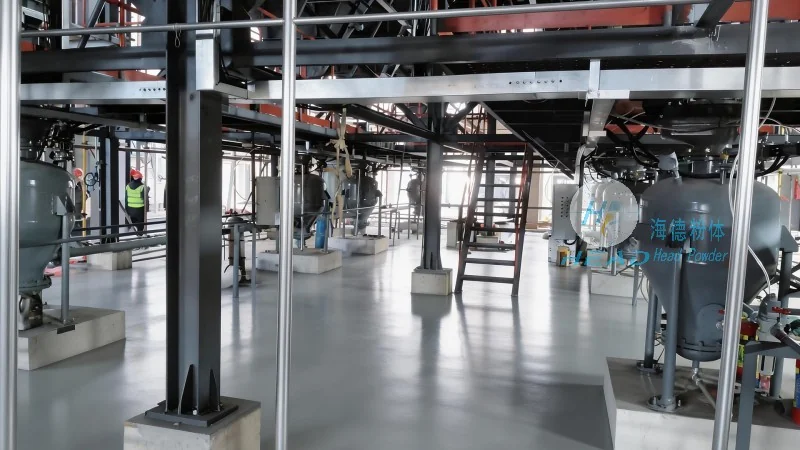
- Material Properties Consideration: Ferrous sulfate is typically a fine powder or granular solid with specific physical properties such as particle size, moisture content, and flowability. Understanding these properties is essential for selecting the appropriate equipment and ensuring smooth material flow.
- Equipment Selection: The choice of material handling equipment depends on factors like the system's capacity, the required conveying distance, and the specific characteristics of the ferrous sulfate. Common equipment includes screw conveyors, belt conveyors, and pneumatic conveyors, each with its own advantages and limitations.
- System Integration: A well-designed material handling system integrates various components, including feeders, hoppers, and control mechanisms, to ensure seamless material transfer from storage to processing units. Proper integration minimizes downtime and maximizes operational efficiency.
- Safety and Maintenance: Ferrous sulfate handling systems must adhere to safety standards to prevent dust explosions, material contamination, and equipment damage. Regular maintenance and inspection are critical to ensure the system operates at optimal performance levels.
Key Working Scene Characteristics
The operational environments of ferrous sulfate material handling systems vary significantly based on the application and industry. Understanding these characteristics is vital for optimizing system performance and adapting to specific production needs.
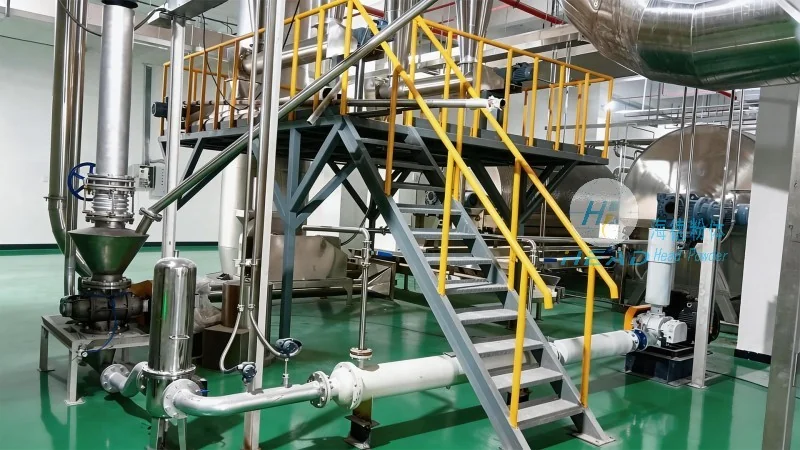
- Industrial Production Settings: In industrial plants, ferrous sulfate is often used as a raw material in chemical processes. The material handling systems in these settings typically operate in high-capacity, continuous production environments. The systems must handle large volumes of ferrous sulfate while maintaining precise control over flow rates and material distribution.
- Water Treatment Facilities: Ferrous sulfate is commonly employed in water treatment processes to remove impurities and improve water quality. The material handling systems in these facilities are designed to handle bulk quantities of the chemical and deliver it to treatment tanks or reactors. The systems must be robust and capable of withstanding exposure to water and other treatment chemicals.
- Agricultural Applications: In agriculture, ferrous sulfate is used as a fertilizer to supplement iron in soil and promote plant growth. The material handling systems for agricultural applications often involve smaller-scale operations and may include equipment designed for easy loading and unloading from storage containers or trucks.
- Chemical Manufacturing Plants: Ferrous sulfate is produced in specialized chemical plants, and the material handling systems within these facilities are critical for moving raw materials, intermediate products, and finished goods. These systems must be integrated with the overall production process to ensure smooth workflow and minimize bottlenecks.
Advantages of Optimized Ferrous Sulfate Material Handling Systems
Implementing an optimized ferrous sulfate material handling system offers several benefits for industrial operations. These advantages include:
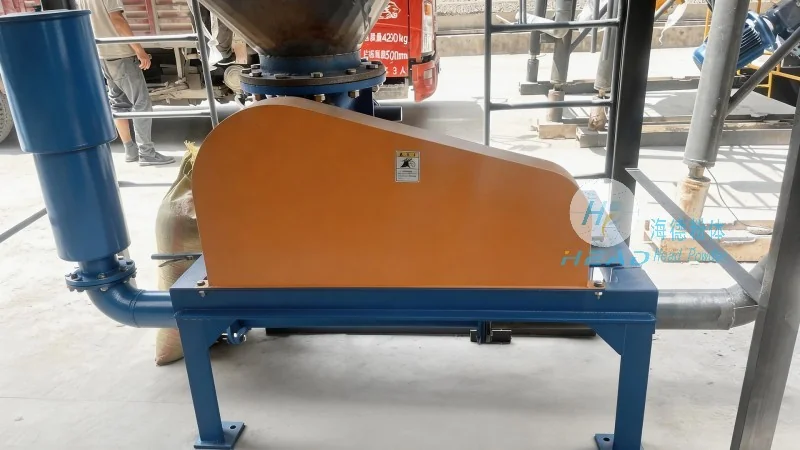
- Increased Production Efficiency: Efficient material handling reduces downtime and improves overall production throughput, leading to higher output and better resource utilization.
- Improved Product Quality: Precise control over material flow and handling minimizes contamination and ensures consistent product quality, which is essential for meeting customer specifications and regulatory requirements.
- Enhanced Safety: Properly designed and maintained material handling systems reduce the risk of accidents, such as dust explosions or equipment failures, thereby creating a safer working environment for personnel.
- Cost Savings: By minimizing material waste, reducing maintenance costs, and improving operational efficiency, optimized systems can lead to significant cost savings over time.
Conclusion
Ferrous sulfate material handling systems are integral to the efficient operation of various industrial and agricultural processes. By understanding the core principles and working scene characteristics of these systems, industries can select and implement the most suitable equipment to meet their specific needs. Companies like Shandong HeadPowder Engineering Co., Ltd., based in China, specialize in designing and manufacturing customized material handling solutions tailored to the unique requirements of ferrous sulfate applications, ensuring optimal performance and reliability in diverse operational environments.