

Principles and Working Scene Characteristics of Oat Flour Material Conveying Lines
When handling oat flour in industrial settings, efficient material conveying is crucial for maintaining product quality and operational efficiency. Oat flour, with its fine texture and potential for caking or dust generation, requires specialized equipment to ensure smooth and safe transportation. This article explores the principles behind oat flour material conveying lines and the key characteristics of their working environments, highlighting how these systems address the unique challenges of processing this popular grain product.
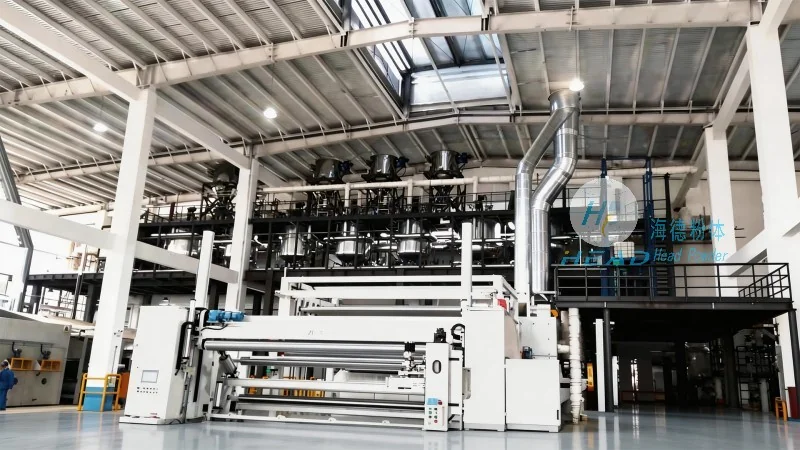
Key Characteristics of Oat Flour and Conveying Requirements
Oat flour is known for its high moisture content and tendency to clump, especially when exposed to humidity or during storage. These properties make traditional conveying methods, such as belt conveyors, less effective as they can cause material buildup or damage to the product. To mitigate these issues, specialized conveying systems are employed. For instance, screw conveyors or auger systems are often preferred for their ability to handle bulk materials without excessive friction, reducing the risk of caking. Additionally, pneumatic conveying systems may be used for longer distances or when dust control is a priority, as they can transport fine powders with minimal product degradation. The choice of conveying method depends on factors like production scale, facility layout, and the need for contamination control, all of which are critical in food processing applications.
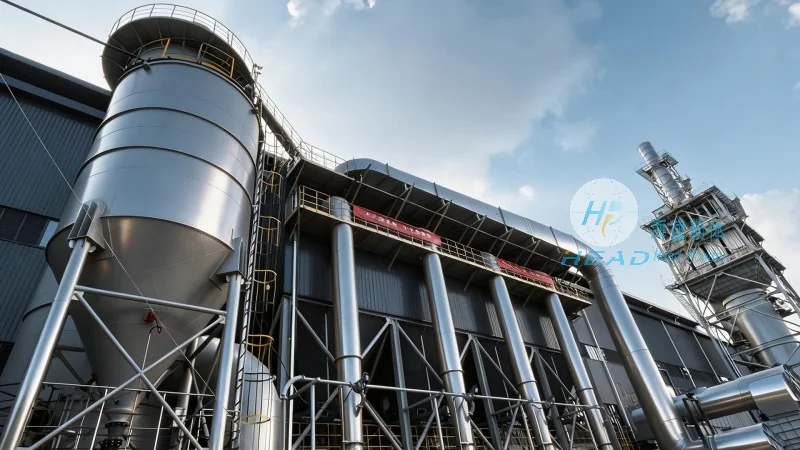
Principles of Oat Flour Material Conveying Systems
The core principle of oat flour material conveying lines is to move bulk material from one location to another with minimal disruption to the product’s quality. These systems typically consist of several components, including feed hoppers, conveying mechanisms (such as screws, belts, or air pipes), and discharge points. The feed hopper ensures a consistent flow of material into the system, preventing overloading or uneven distribution. The conveying mechanism then transports the oat flour through the line, with some systems incorporating features like variable speed drives to adjust flow rates based on demand. For example, a screw conveyor uses rotating helical blades to push material forward, while a pneumatic system uses compressed air to create a flow of air and powder through a pipeline. The discharge point is designed to release the material safely and efficiently, often with controls to regulate the output rate. In addition to these primary components, many conveying lines include accessories such as vibration screens to remove foreign objects or moisture separators to reduce dust emissions. These features enhance the overall performance and safety of the system, ensuring that the oat flour remains in optimal condition throughout the conveying process.
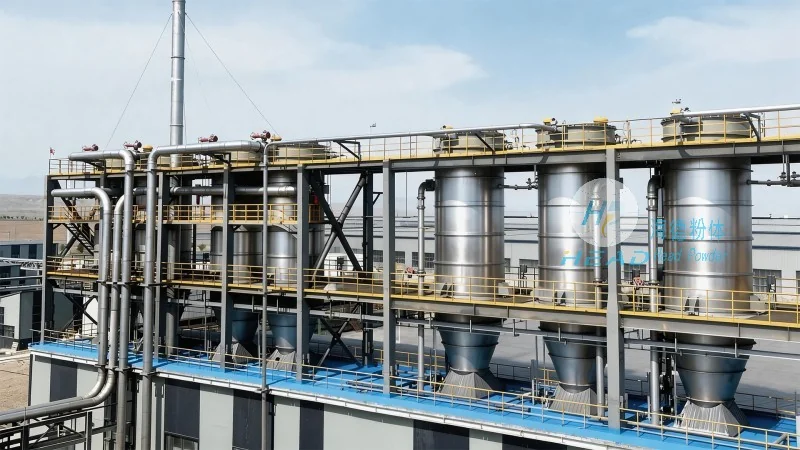
Working Scene Characteristics and Application Scenarios
The working scene characteristics of oat flour material conveying lines vary significantly based on the specific application and facility environment. In large-scale food processing plants, for example, these systems are often integrated into automated production lines, where they connect raw material storage to processing equipment. The layout of the conveying line is carefully designed to minimize material handling time and reduce the risk of contamination, as strict hygiene standards are required in food processing. In such settings, the conveying system may be part of a larger material handling network, coordinating with other equipment like mixers, extruders, or packaging machines. The working environment may also involve high volumes of material, requiring robust and durable components that can withstand continuous operation. On the other hand, in smaller-scale operations or storage facilities, the conveying line may serve a more basic purpose, such as moving oat flour from a storage silo to a loading dock or a packaging area. These applications typically involve shorter distances and lower throughput, allowing for more compact and cost-effective conveying solutions. The working scene may also include considerations like space constraints, as facilities in urban or densely built areas may require vertical conveying systems or compact designs to fit within limited floor space. Furthermore, the need for dust control is a critical factor in many working environments, as oat flour is a fine powder that can easily become airborne and cause health hazards or equipment damage. Therefore, many conveying lines are equipped with dust collection systems or enclosed designs to maintain a safe and clean working environment.
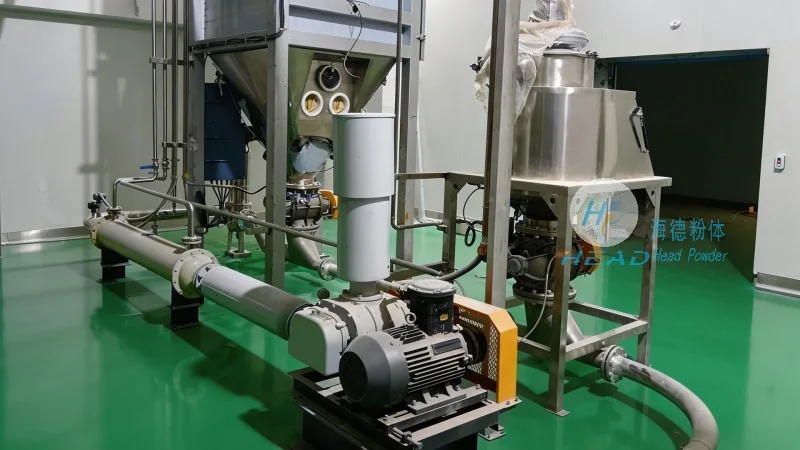
Customization and Solutions by Shandong HeadPowder Engineering Co., Ltd.
Shandong HeadPowder Engineering Co., Ltd., a leading provider of material handling solutions, specializes in designing and manufacturing oat flour material conveying lines tailored to the unique needs of each client. The company’s approach emphasizes customization, ensuring that the conveying system matches the specific characteristics of the oat flour, the production scale, and the operational environment. For instance, when working with clients in the food industry, HeadPowder engineers consider factors such as hygiene standards, product purity, and compliance with regulatory requirements. They may recommend stainless steel components or food-grade materials to prevent contamination and ensure safety. The company also offers a range of options for conveying mechanisms, allowing clients to choose the most suitable technology based on their budget and performance requirements. Whether a client needs a simple screw conveyor for a small storage facility or a complex pneumatic system for a large processing plant, HeadPowder provides comprehensive solutions that address all aspects of material handling. The company’s team of experts works closely with clients to understand their challenges and develop tailored solutions, ensuring that the conveying line operates efficiently and reliably. By leveraging advanced engineering and manufacturing capabilities, HeadPowder delivers high-quality conveying systems that meet the demands of modern oat flour processing. The company’s commitment to quality and customer satisfaction has made it a trusted partner for businesses in the food and agricultural sectors, helping them optimize their operations and improve product quality.