

Principle and Working Scene Characteristics of Gypsum Gray Powder Material Conveying Lines
Gypsum gray powder, a common industrial material, often requires efficient and reliable conveying systems to ensure smooth production processes. The gypsum gray powder material conveying line is a specialized solution designed to handle such powders with precision and efficiency. This article explores the fundamental principles behind these conveying systems and highlights the key characteristics of their working environments.
Core Principles of Gypsum Gray Powder Conveying
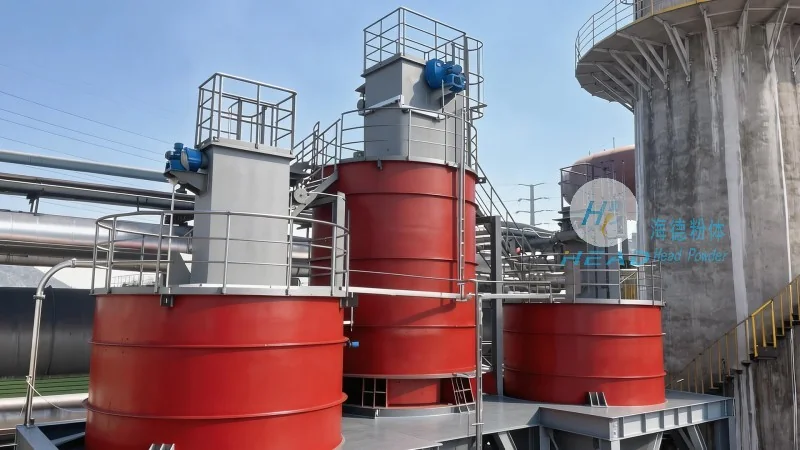
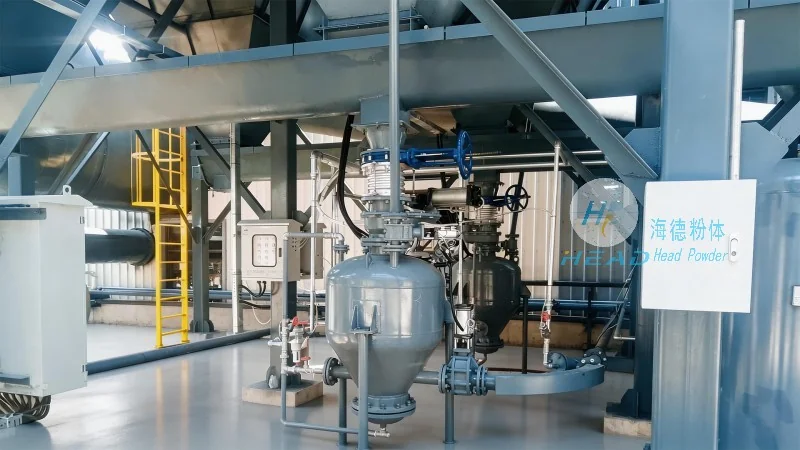
The operation of a gypsum gray powder conveying line is based on several core principles that ensure optimal performance. First, the system utilizes appropriate equipment such as screw conveyors, pneumatic conveyors, or belt conveyors, depending on the specific characteristics of the gypsum gray powder, including its particle size, moisture content, and flowability. These components work together to transport the material from one location to another with minimal loss and maximum efficiency. The design of the conveying line also considers factors like material density, bulk density, and the need for dust control, as gypsum gray powder can be prone to creating dust during handling. By integrating these principles, the conveying line ensures consistent and reliable material movement, which is crucial for maintaining production continuity in industrial settings.
Working Scene Characteristics of Gypsum Gray Powder Conveying Lines
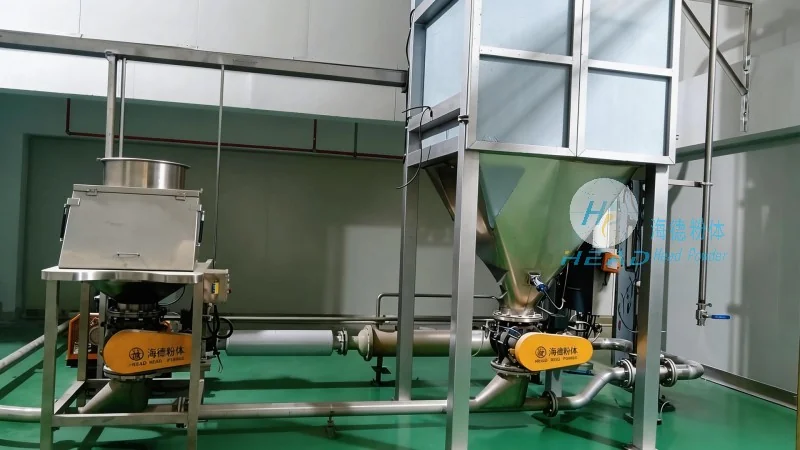
The working scene characteristics of gypsum gray powder conveying lines are tailored to meet the demands of various industrial applications. These systems are typically found in environments such as cement plants, gypsum board manufacturing facilities, and construction material processing sites. The working conditions often involve high-volume material handling, requiring robust and durable equipment that can withstand continuous operation. The conveying lines are designed to operate in both indoor and outdoor settings, with some systems incorporating weather-resistant components to handle exposure to elements. Additionally, the working environment may involve integration with other production equipment, such as mixers, grinders, or packaging machines, necessitating seamless coordination between the conveying line and adjacent machinery. The characteristics of the working scene also include considerations for space optimization, as industrial facilities often require efficient use of available floor space. By addressing these characteristics, the conveying lines provide a flexible and adaptable solution for handling gypsum gray powder in diverse operational contexts.
Key Features and Advantages of Gypsum Gray Powder Conveying Systems
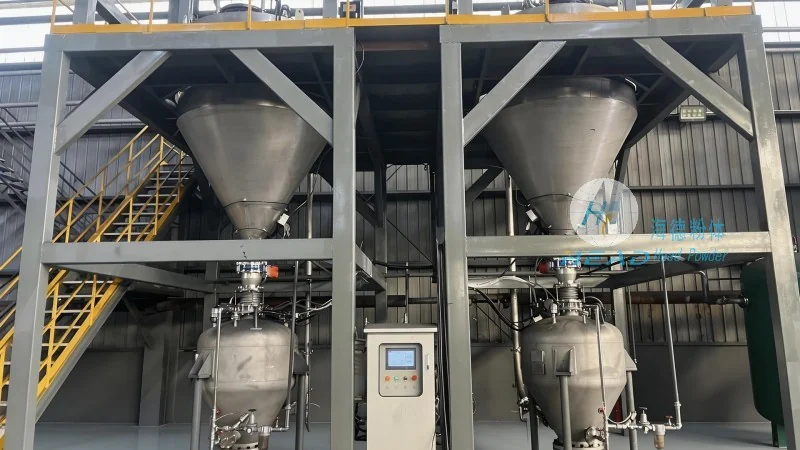
Shandong HeadPowder Engineering Co., Ltd., a leading provider of industrial conveying solutions, offers advanced gypsum gray powder material conveying lines that incorporate several key features and advantages. These systems are engineered to handle the unique challenges associated with gypsum gray powder, including its tendency to agglomerate or create dust. The conveying lines feature high-efficiency components, such as high-capacity screw conveyors or pneumatic transport systems, which ensure reliable material transport even at high speeds. The design also emphasizes energy efficiency, reducing operational costs while maintaining performance. Furthermore, the systems are constructed from durable materials, such as stainless steel or corrosion-resistant alloys, to withstand the chemical and physical stresses of handling gypsum gray powder. This durability ensures long-term reliability and minimal maintenance requirements, contributing to overall operational efficiency. The company's expertise in customizing conveying solutions allows for tailored designs that meet specific client needs, ensuring optimal performance in various working environments.