

Principle and Working Scene Characteristics of Small Material Conveying System Equipment
Shandong HeadPowder Engineering Co., Ltd., commonly known as headpowder, is a professional manufacturer and supplier based in Shandong, China. The company specializes in the design, development, and production of small material conveying system equipment, catering to various industrial needs. This article aims to explore the fundamental principles underlying such systems and highlight the key characteristics of their operational scenarios.
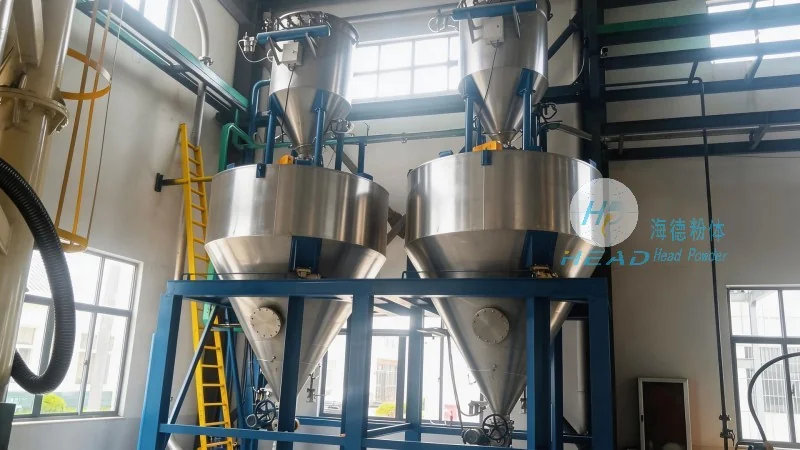
Overview of Small Material Conveying Systems
Small material conveying systems are engineered to transport fine or granular materials, such as powders, granules, or small particles, from one location to another within industrial settings. These systems are critical in sectors like pharmaceuticals, food processing, chemical manufacturing, and mining, where efficient material handling directly impacts production efficiency and product quality. The core components of these systems typically include feeders, conveyors, control units, and sometimes auxiliary equipment like hoppers or filters.
The Working Principle of Small Material Conveying Systems
The operation of small material conveying systems is based on mechanical or pneumatic forces that move the material through a designated path. For instance, mechanical conveyors, such as screw conveyors or belt conveyors, utilize rotating components to push or pull the material along a tube or trough. In contrast, pneumatic conveying systems employ compressed air or other gases to create a flow that transports the material through a pipeline. The choice of mechanism depends on factors like material properties, required throughput, and the distance to be covered. A well-designed system ensures minimal material degradation, consistent flow rates, and energy efficiency.
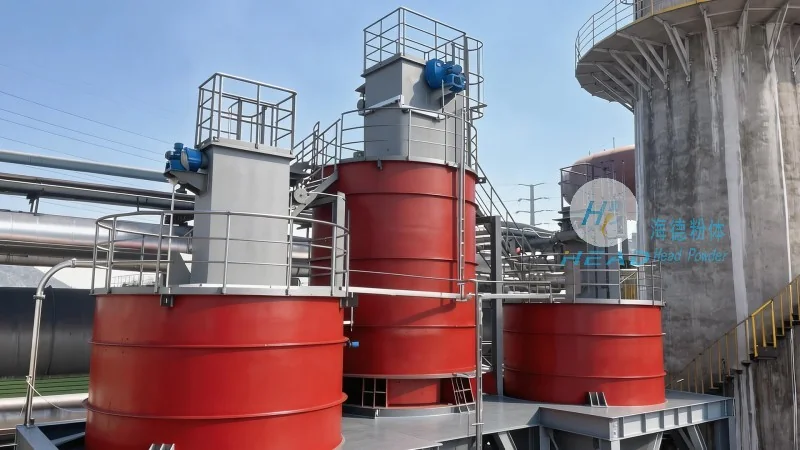
Key Characteristics of Working Scenarios
The operational scenarios of small material conveying systems vary significantly based on the industry and application. In pharmaceutical manufacturing, for example, these systems must adhere to stringent hygiene standards, with components often made from stainless steel and designed for easy cleaning. The conveying process is typically controlled to prevent cross-contamination and maintain product purity. In food processing, similar considerations apply, with additional emphasis on material safety and compliance with food-grade regulations. In chemical industries, the systems may need to handle corrosive or hazardous materials, requiring specialized materials for construction and robust safety features. The working environment, including temperature, humidity, and dust levels, also influences the design and selection of the conveying equipment. For instance, in high-temperature applications, the system may incorporate heat-resistant components to prevent material degradation or equipment failure.
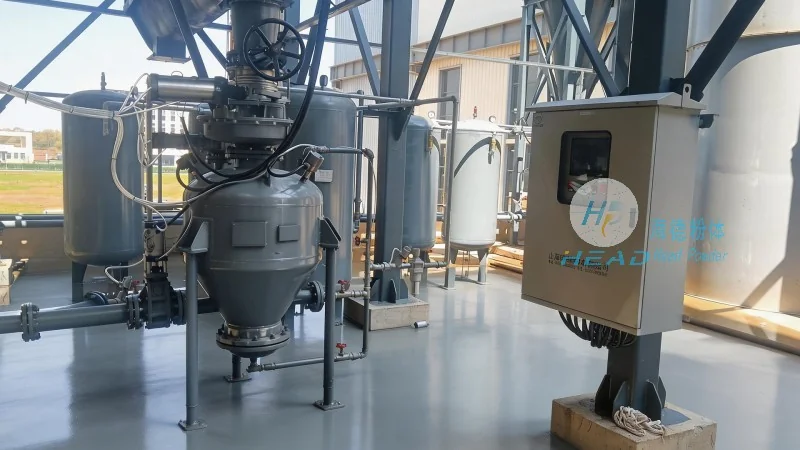
Efficiency and Reliability in Industrial Applications
Efficiency and reliability are paramount in the operation of small material conveying systems. These systems are designed to maintain consistent material flow rates, minimizing downtime and ensuring smooth production processes. Advanced control systems, often integrated with sensors and feedback mechanisms, allow for real-time monitoring and adjustment of the conveying parameters. This ensures that the system operates within optimal conditions, reducing energy consumption and extending the lifespan of the equipment. The reliability of the system is further enhanced by regular maintenance and quality control measures implemented by manufacturers like headpowder. By addressing common challenges such as material clogging, blockages, or uneven flow, these systems provide consistent performance, contributing to overall operational efficiency in industrial settings.
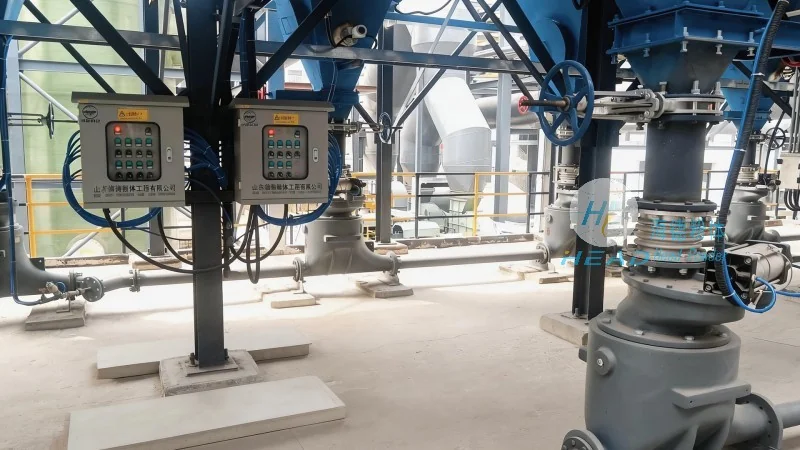
Customization and Adaptability
Small material conveying systems offered by headpowder are highly customizable to meet the specific requirements of different industries and applications. The company provides tailored solutions based on client needs, including adjustments to conveyor length, material capacity, and control systems. This adaptability allows businesses to optimize their material handling processes, reducing costs and improving productivity. Whether for small-scale operations or large-scale industrial facilities, the systems can be scaled to accommodate varying production volumes. Additionally, the integration of modern technologies, such as automation and data analytics, enables enhanced monitoring and management of the conveying process, further improving operational efficiency.
Conclusion
Small material conveying systems, as exemplified by those manufactured by Shandong HeadPowder Engineering Co., Ltd., play a crucial role in modern industrial operations. By understanding the fundamental principles and operational characteristics of these systems, businesses can make informed decisions regarding their material handling infrastructure. The efficiency, reliability, and adaptability of such systems ensure that they remain essential components in various industrial sectors, supporting sustainable and productive manufacturing processes. With a strong presence in Shandong, China, headpowder continues to innovate and provide high-quality solutions for small material conveying needs.