

Principle and Working Scene Characteristics of Gray Calcium Material Handling System Equipment
HeadPowder, a leading provider in the field of material handling solutions, specializes in designing and manufacturing efficient equipment tailored for the transportation of gray calcium materials. This article delves into the fundamental principles behind such systems and highlights key characteristics of their operational environments.
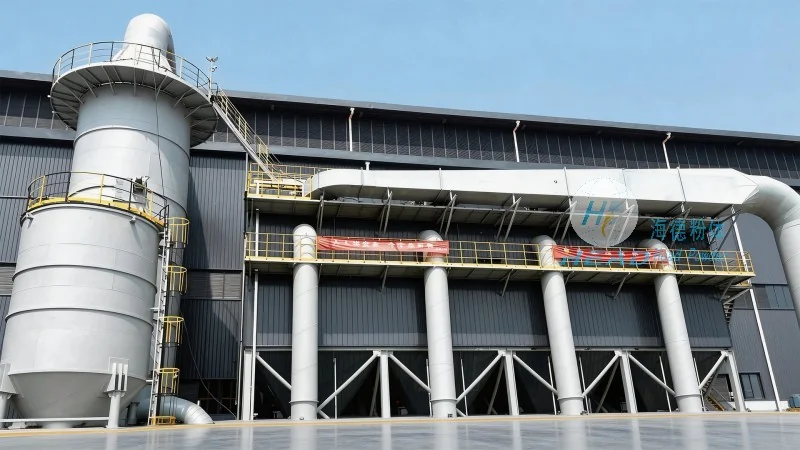
Company Overview and Location
HeadPowder, operating under the full name Shandong HeadPowder Engineering Co., Ltd., is headquartered in Shandong, China. The company has established itself as a trusted partner for businesses requiring reliable and durable material handling equipment, particularly for applications involving gray calcium, a widely used industrial material in construction, agriculture, and chemical industries.
The Core Principle of Gray Calcium Material Handling Systems
The gray calcium material handling system equipment operates on the principle of efficient bulk material transport. These systems are engineered to handle the unique physical properties of gray calcium, including its fine particle size, cohesive nature, and potential for dust generation. The core components typically include conveyor belts, feeders, and control mechanisms that work in tandem to ensure smooth and continuous material movement from the source to the destination. The design emphasizes durability and efficiency, with components selected to withstand the abrasive and corrosive effects of gray calcium over extended operational periods.
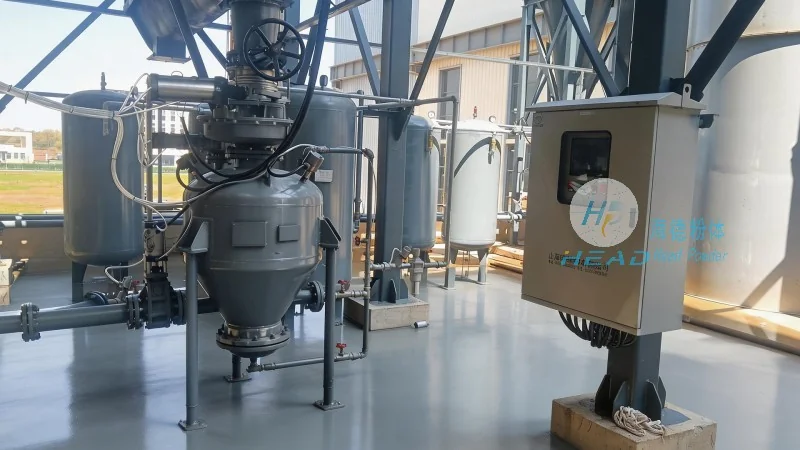
Key Working Scene Characteristics
The operational environments where gray calcium material handling systems are deployed exhibit several distinct characteristics that influence system design and performance. Firstly, the material's fine granularity often requires specialized equipment to prevent blockages and ensure consistent flow. This is achieved through the use of high-capacity feeders and smooth, low-friction conveyor belts that minimize material buildup. Secondly, the dusty nature of gray calcium necessitates effective dust control measures, such as enclosed conveyor systems and filtration units, to maintain air quality and comply with environmental regulations. These measures not only protect the working environment but also extend the lifespan of the equipment by preventing dust-related wear and tear. Thirdly, the systems are often integrated into larger production lines, requiring seamless coordination with other machinery to optimize workflow and minimize downtime. The integration involves synchronized control systems that adjust the material flow based on real-time production demands, ensuring that the entire process runs smoothly and efficiently.
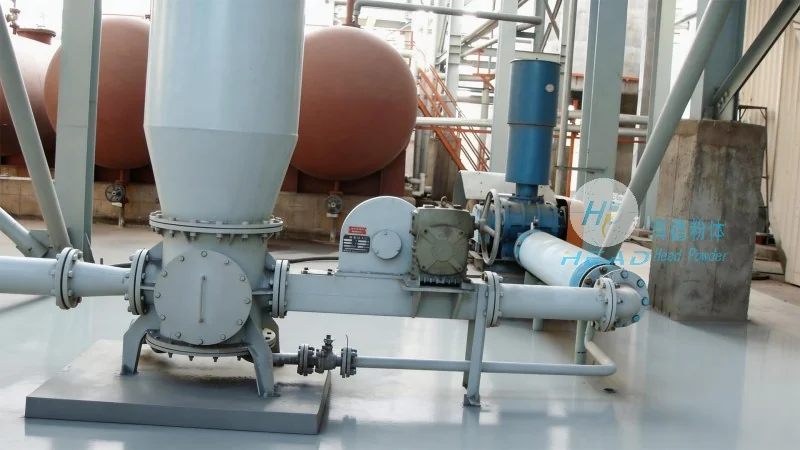
Application-Specific Design Considerations
Given the diverse applications of gray calcium, the material handling systems are customized to meet specific operational needs. For instance, in construction applications, the equipment may be designed for high-capacity transport over longer distances, utilizing heavy-duty conveyor belts with reinforced edges and robust drive systems capable of handling large loads. In agricultural settings, the systems might focus on precise dosing and distribution, incorporating adjustable feeders and control valves to ensure accurate material delivery to fields or storage areas. The design also considers factors like space constraints, environmental conditions, and safety requirements, ensuring that the equipment is both functional and compliant with industry standards. For example, in outdoor applications, the equipment may be equipped with weather-resistant components and protective enclosures to withstand exposure to rain, sun, and temperature fluctuations.
Advantages of Advanced Material Handling Solutions
Implementing advanced gray calcium material handling systems offers several advantages to industrial operations. These include increased productivity through continuous and uninterrupted material flow, which reduces bottlenecks and speeds up production cycles. Reduced labor costs by automating the transportation process, as the equipment can operate 24/7 without the need for constant human supervision. Enhanced safety by minimizing manual handling of dusty materials, thereby lowering the risk of respiratory issues and workplace accidents. Better material quality control by preventing segregation and ensuring uniform distribution, which is crucial for applications where consistent material properties are required. Furthermore, the use of energy-efficient components and smart control technologies helps in reducing operational costs and environmental impact, aligning with modern industrial sustainability goals. These systems also contribute to improved maintenance efficiency, as advanced monitoring systems can detect potential issues early and alert operators, allowing for timely repairs and minimizing unexpected downtime.