

Principles and Application Scenarios of Positive Pressure Powder Pneumatic Conveying
Positive pressure powder pneumatic conveying is a critical material handling technology used to transport dry powders and granular materials through a pipeline system. This method relies on compressed air to move materials, maintaining a pressure above atmospheric levels throughout the conveying line. The technology is widely adopted across various industries due to its efficiency, flexibility, and ability to handle diverse powder characteristics.
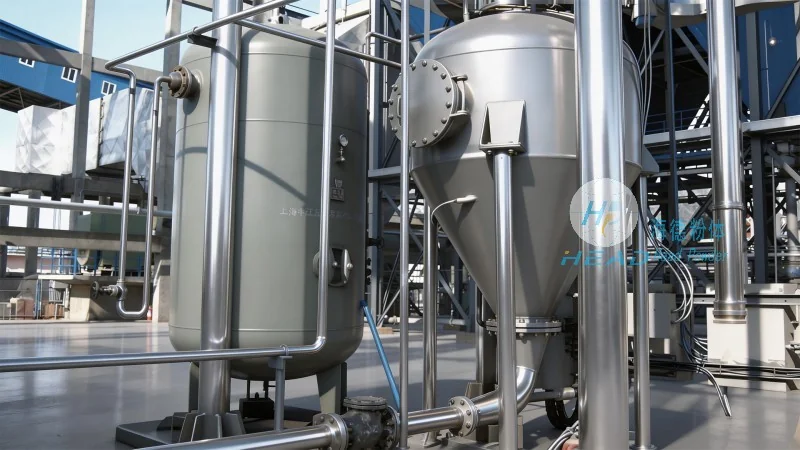
The Working Principle of Positive Pressure Conveying
The fundamental principle of positive pressure powder pneumatic conveying involves creating a pressure differential between the material feed and discharge points. A blower or compressor supplies compressed air to the pipeline, establishing a positive pressure environment. The material is introduced into the system via a hopper or feeder and is carried by the air stream. The air velocity is carefully controlled to ensure powder particles are suspended and transported without clogging or degradation. The system maintains a consistent pressure gradient, enabling continuous and reliable material transport over long distances and varying elevations.
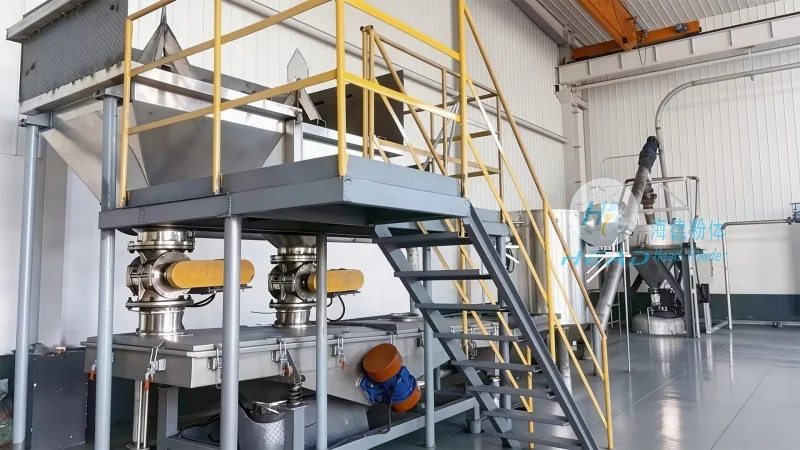
Key Advantages of Positive Pressure Conveying
One of the primary advantages of positive pressure powder pneumatic conveying is its ability to handle abrasive and corrosive materials without equipment wear or damage. The enclosed pipeline system prevents dust emissions, making it an environmentally friendly solution. Additionally, it offers high conveying rates and accommodates complex layouts, including vertical lifts and horizontal transfers. The positive pressure environment reduces material degradation from air or moisture exposure, crucial for sensitive powders like pharmaceuticals or food products.
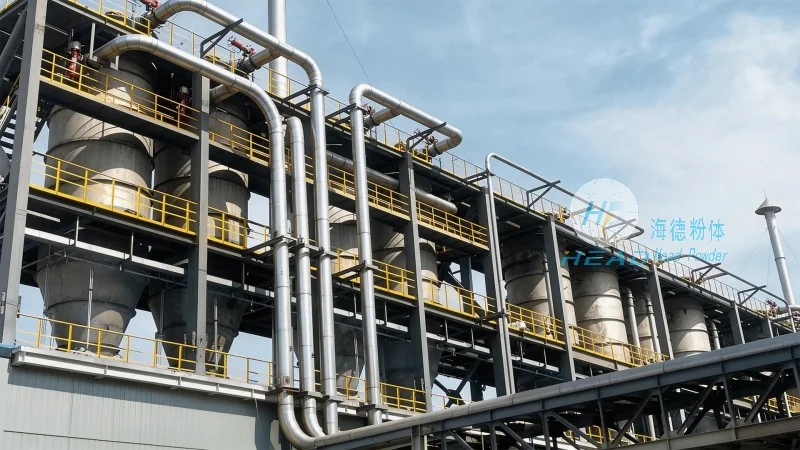
Common Application Scenarios
Positive pressure powder pneumatic conveying is widely used in multiple industrial sectors. In the chemical industry, it transports raw materials and finished products such as powders and granules for pharmaceuticals, plastics, and fertilizers. The food and beverage industry uses it for ingredients like flour, sugar, and spices, ensuring hygienic processing. In mining and minerals, it handles ores and coal from processing to storage or shipping. The technology is also applied in ceramics and construction material manufacturing, where precise flow control is essential for quality and consistency.
System Components and Design Considerations
A typical positive pressure powder pneumatic conveying system includes a blower/compressor, material feeder, conveying pipeline, and receiver/discharge hopper. The blower generates necessary air pressure, while the feeder controls material flow. Pipeline design is critical, sized for air velocity and powder concentration. Materials like stainless steel or special alloys prevent corrosion and wear, especially for aggressive powders. The system also features filters and cyclones to separate material from air at discharge, ensuring clean air return.
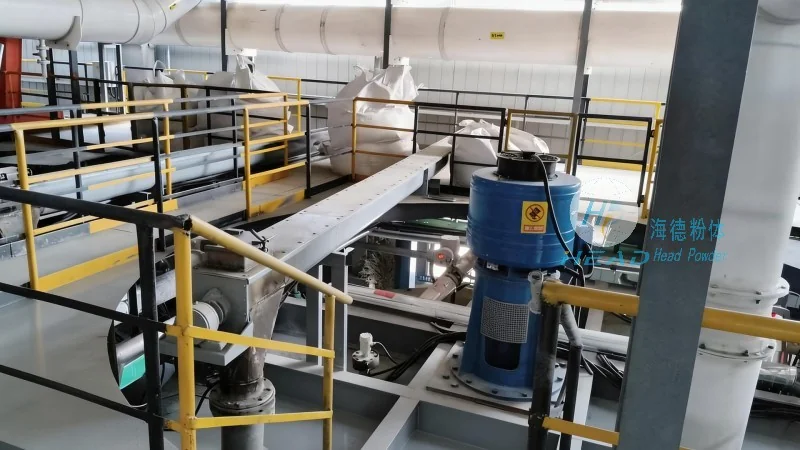
Case Study: Application in a Pharmaceutical Facility
Shandong HeadPowder Engineering Co., Ltd. successfully implemented a positive pressure powder pneumatic conveying system in a pharmaceutical manufacturing facility. The system transported active pharmaceutical ingredients (APIs) and excipients from bulk storage to processing lines. The enclosed pipeline ensured strict contamination control, meeting regulatory standards for pharmaceutical production. The positive pressure environment prevented cross-contamination and minimized product degradation risks. The system’s flexibility allowed easy integration with existing lines, reducing downtime during installation and operation. The project demonstrated the technology’s effectiveness in maintaining product quality and operational efficiency in sensitive industrial environments.