

Principle and Working Scenario Characteristics of Unmanned Feeding Material Pneumatic Conveying
Shandong HeadPowder Engineering Co., Ltd., commonly known as HeadPowder, specializes in the design, manufacturing, and implementation of advanced material handling solutions. With a focus on innovative technologies, the company provides customized pneumatic conveying systems tailored to various industrial needs. HeadPowder's expertise lies in optimizing material flow processes, ensuring efficiency, and enhancing operational safety in diverse production environments.
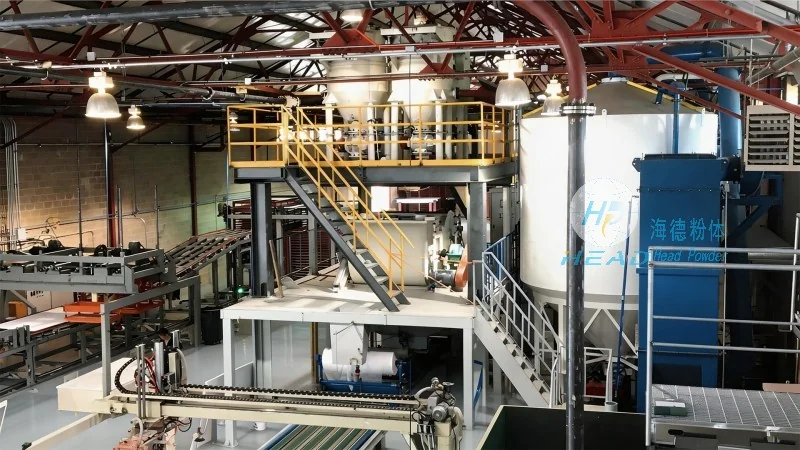
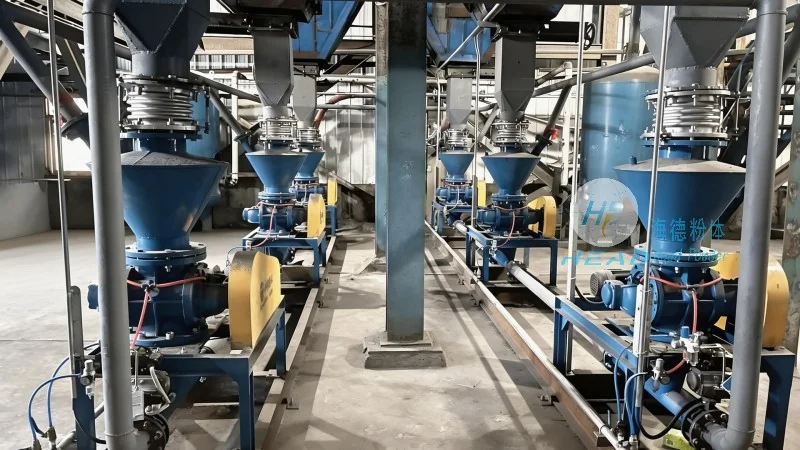
Principle of Unmanned Feeding Material Pneumatic Conveying
Pneumatic conveying, or air-based material transport, operates by using pressurized or vacuum air to move bulk materials through a pipeline system. In the context of unmanned feeding, the system eliminates manual intervention by integrating automated feeding mechanisms and control systems. The core principle involves creating a pressure differential that propels material particles along the conveying line. This method relies on the interaction between air flow and solid particles, where the air's kinetic energy is transferred to the material, enabling it to travel through the pipeline without the need for mechanical components like belts or buckets. The system typically includes a feeding hopper, a conveying line, and a discharge point, with the entire process controlled by sensors and programmable logic controllers (PLCs) to ensure consistent and reliable material transport. Pneumatic conveying systems utilize either positive pressure (where air is forced into the pipeline) or negative pressure (where air is drawn out), depending on the specific application requirements. The positive pressure method is commonly used for short to medium-distance conveying, as it provides higher material flow rates and better control over the material's trajectory. In contrast, the negative pressure method is ideal for longer distances or when handling materials that are sensitive to pressure changes. The unmanned feeding mechanism typically involves a hopper equipped with a rotary valve or screw feeder, which releases material into the conveying line at a controlled rate. This controlled release ensures a steady flow of material, preventing blockages or uneven transport. The control system, often integrated with sensors such as pressure transducers and flow meters, monitors the system's performance in real-time. Any deviations from the set parameters are automatically adjusted by the PLC, maintaining optimal operation and preventing system failures.
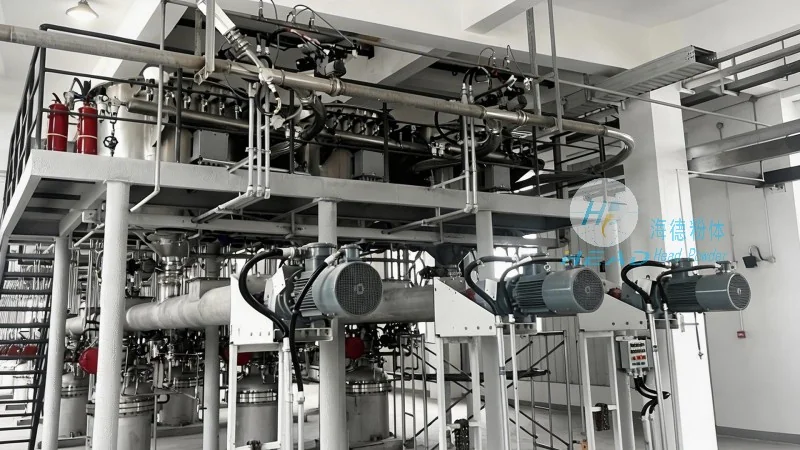
Working Scenario Characteristics of Unmanned Feeding Material Pneumatic Conveying
The application of unmanned feeding material pneumatic conveying systems is characterized by several key features that enhance operational efficiency and safety. Firstly, the system is designed for continuous, automated material handling, reducing the need for human labor in repetitive tasks. This not only improves productivity but also minimizes the risk of workplace accidents associated with manual material handling. Secondly, the technology is highly adaptable to various material types, including powders, granules, and bulk solids, making it suitable for a wide range of industries such as pharmaceuticals, food processing, and chemical manufacturing. The flexibility of the system allows for customization based on material properties, such as particle size, density, and moisture content, ensuring optimal conveying performance. Additionally, the system's compact design and minimal maintenance requirements contribute to cost-effectiveness and ease of integration into existing production lines. The integration of advanced sensors and real-time monitoring further enhances system reliability, enabling quick detection and response to any operational issues. These characteristics make the system particularly valuable in high-volume production environments where consistent material flow is critical to maintaining production schedules and product quality.
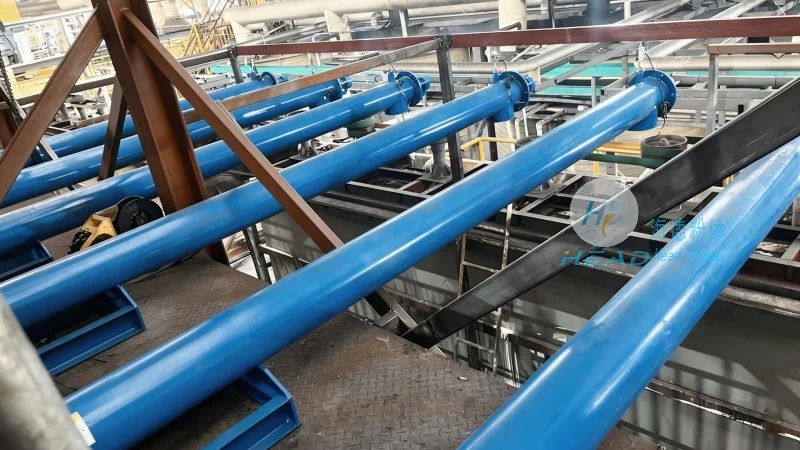
Key Advantages in Industrial Applications
Unmanned feeding material pneumatic conveying systems offer several advantages that make them a preferred choice in modern industrial settings. One of the primary benefits is the reduction in labor costs and associated risks, as the system operates autonomously without the need for manual feeding or monitoring. This is particularly beneficial in industries where material handling involves hazardous substances or environments, as it minimizes human exposure to potential risks. Another advantage is the improved material quality and consistency, as the automated process ensures uniform flow rates and reduces the likelihood of material degradation or contamination. The system also contributes to increased production throughput by maintaining continuous operation, which is critical in high-demand manufacturing processes. Furthermore, the compact and modular design of the system allows for easy installation and integration into existing facilities, reducing downtime and installation costs. The use of advanced control systems enables precise regulation of material flow, ensuring that the system operates within optimal parameters for different material types and production requirements. These advantages collectively enhance the overall efficiency and reliability of material handling operations, making unmanned feeding material pneumatic conveying a cost-effective and sustainable solution for modern industries.