

Principle and Working Scene Characteristics of Pneumatic Conveying for Diatomite Powder Materials
HeadPowder, a leading provider in the field of material handling solutions, specializes in the efficient and reliable pneumatic conveying of diatomite powder materials. Based in Shandong, China, the company leverages advanced engineering and technical expertise to deliver tailored solutions for various industrial applications. This article explores the fundamental principles of pneumatic conveying for diatomite powder, alongside the distinct characteristics of its working scenes, providing a comprehensive overview for industry professionals seeking to understand or implement such systems.
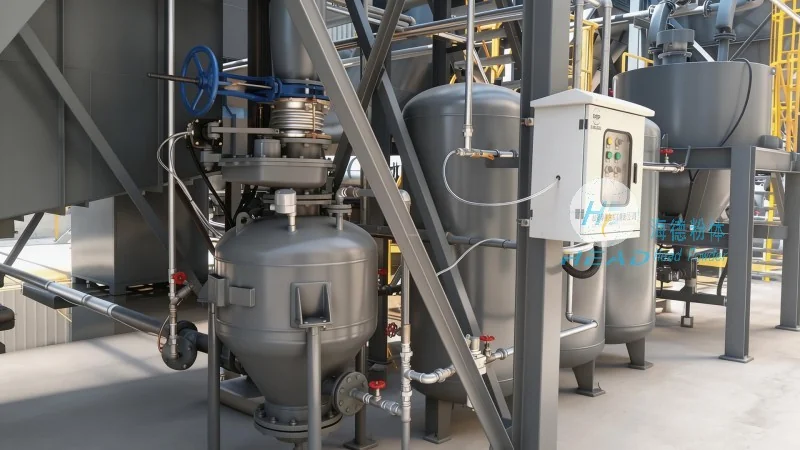
Introduction to Pneumatic Conveying for Diatomite Powder
Pneumatic conveying is a widely adopted method for transporting bulk materials, including diatomite powder, through a pipeline using air or gas as the conveying medium. This technology offers several advantages over traditional mechanical conveying systems, such as reduced equipment wear, lower maintenance costs, and the ability to handle materials in a dust-free environment. For diatomite powder, which is often used in applications like filtration, insulation, and as a raw material in the chemical industry, efficient transport is critical to maintaining product quality and operational efficiency.
The Fundamental Principle of Pneumatic Conveying
The core principle of pneumatic conveying involves creating a pressure differential within a pipeline system to move the powder material. There are two primary types of pneumatic conveying systems: pressure and vacuum. In pressure systems, a positive pressure is generated at the material source, pushing the powder through the pipeline to the destination. Vacuum systems, on the other hand, create a negative pressure at the destination, drawing the material from the source. For diatomite powder, which is typically fine and can be prone to agglomeration, the choice of system depends on factors like material properties, distance, and required flow rate. HeadPowder’s engineering team carefully selects the appropriate system type and design parameters to ensure optimal performance and minimal product degradation.
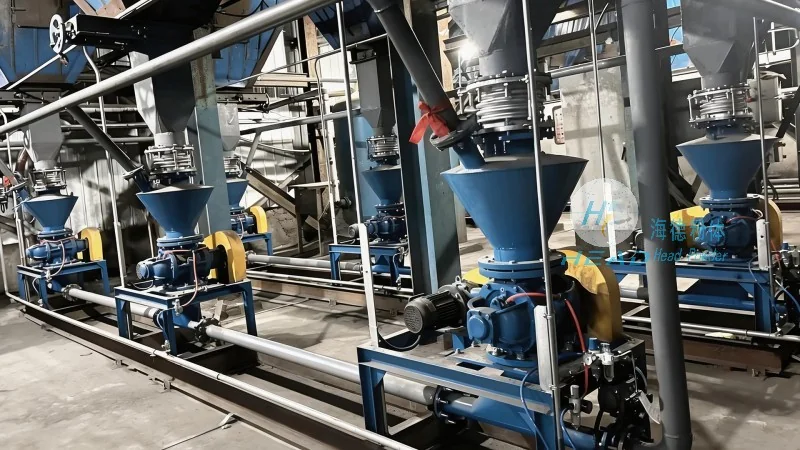
Key Components and Their Roles in Pneumatic Conveying Systems
A pneumatic conveying system for diatomite powder consists of several critical components, each playing a vital role in the overall operation. These include the material feed hopper, which stores and meters the powder; the air compressor or vacuum pump, which generates the necessary pressure or vacuum; the pipeline network, which transports the material; and the receiving hopper or silo, where the material is deposited. Additionally, components like rotary valves, airlocks, and filters are used to control the flow, prevent material blockages, and maintain a clean conveying environment. HeadPowder’s expertise lies in the integration and optimization of these components to create a seamless and efficient conveying process for diatomite powder, ensuring that each part of the system works in harmony to achieve the desired results.
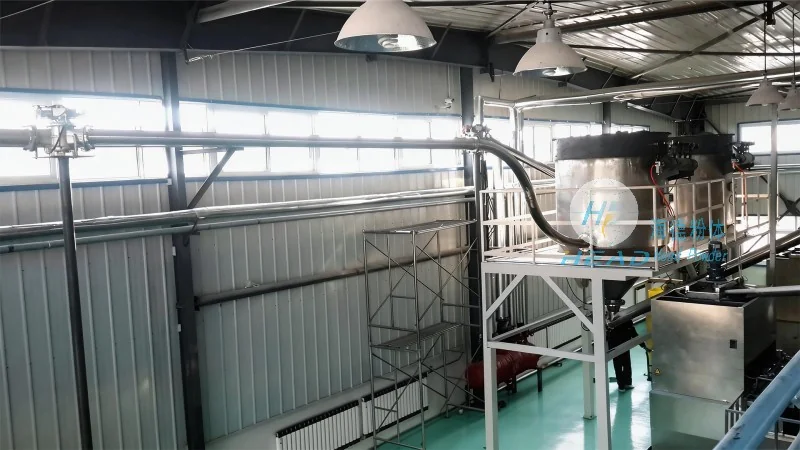
Working Scene Characteristics of Pneumatic Conveying for Diatomite Powder
The working scene characteristics of pneumatic conveying for diatomite powder vary significantly based on the specific industrial application and operational requirements. In industrial settings, such as chemical plants or filtration facilities, the system is often integrated into a larger production line, requiring precise control over material flow rates and pressure. The working environment may involve high temperatures or corrosive conditions, necessitating the use of specialized materials for the pipeline and components. For example, in a diatomite filtration plant, the conveying system must handle fine powder with high moisture content, which can affect the material’s flow characteristics and require additional drying or conditioning steps. HeadPowder’s solutions are designed to adapt to these diverse working scene characteristics, ensuring that the pneumatic conveying system operates reliably under various conditions and meets the specific needs of the end-user.
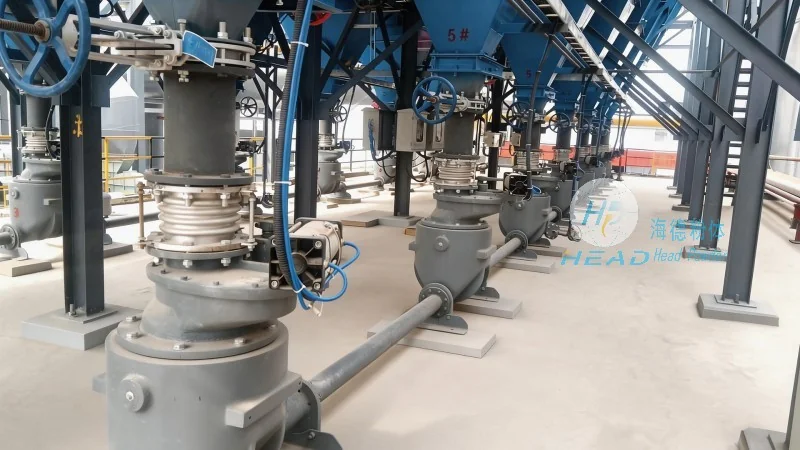
Advantages and Considerations for Pneumatic Conveying of Diatomite Powder
Implementing pneumatic conveying for diatomite powder offers several key advantages, including the ability to transport materials over long distances, handle fine powders without degradation, and maintain a clean, dust-free environment. However, there are also considerations to keep in mind, such as the need for proper system sizing to avoid pressure drops or material buildup, and the importance of regular maintenance to ensure consistent performance. HeadPowder emphasizes the importance of thorough system analysis and design to address these considerations, providing clients with a customized solution that maximizes efficiency and minimizes operational risks. By leveraging their expertise in material handling and pneumatic conveying technology, HeadPowder helps industrial clients optimize their diatomite powder transport processes, improving productivity and reducing costs.
Conclusion and Future Directions
In conclusion, pneumatic conveying is a highly effective method for transporting diatomite powder materials, offering numerous benefits over traditional conveying systems. The working scene characteristics of such systems are tailored to the specific needs of industrial applications, and HeadPowder’s comprehensive approach to system design and implementation ensures that clients receive a reliable and efficient solution. As the demand for high-quality diatomite powder in various industries continues to grow, the importance of efficient material handling will only increase. HeadPowder, with its base in Shandong, China, remains at the forefront of developing advanced pneumatic conveying solutions, helping clients achieve their operational goals while maintaining product integrity and environmental standards.